Gordon Ramsay’s Classic Lasagna

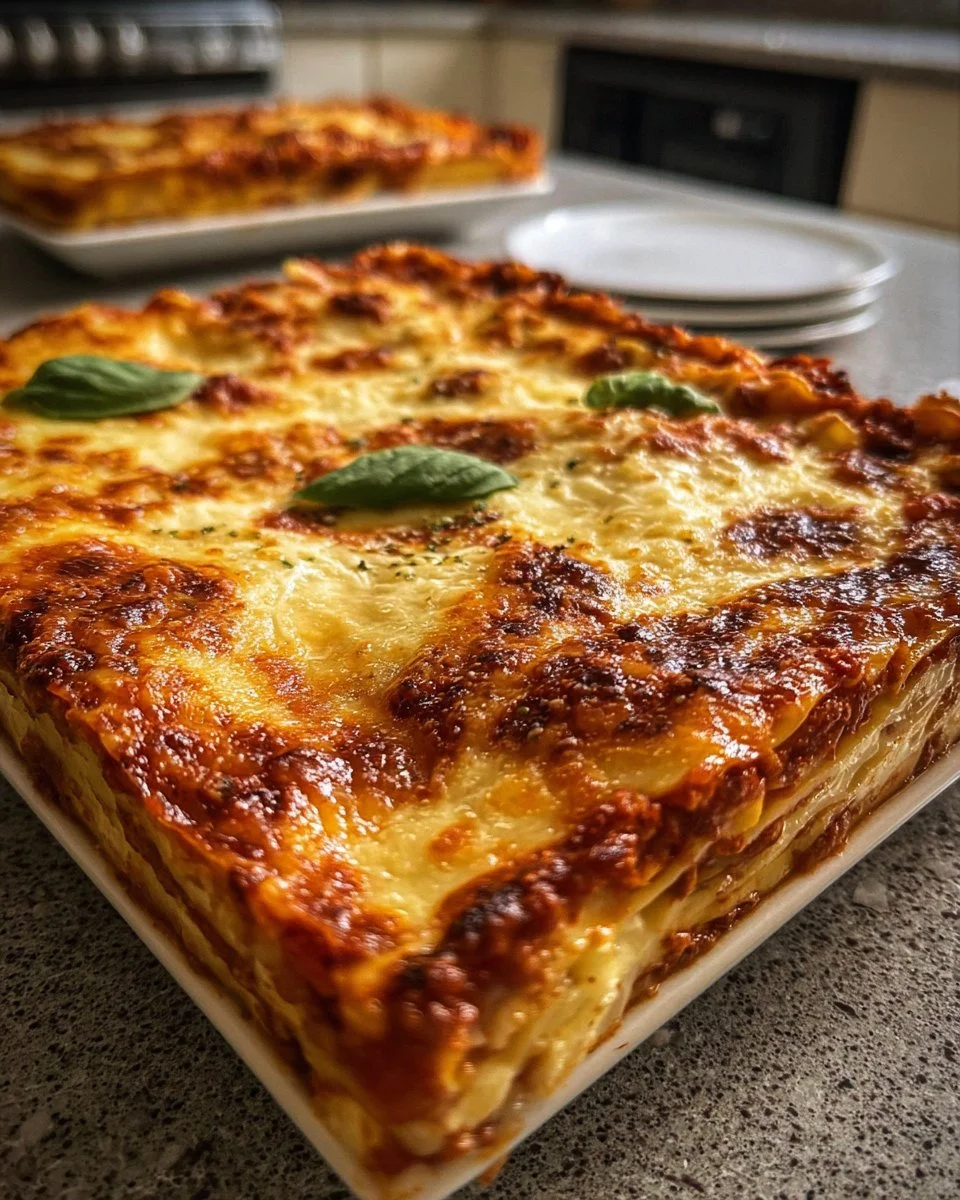
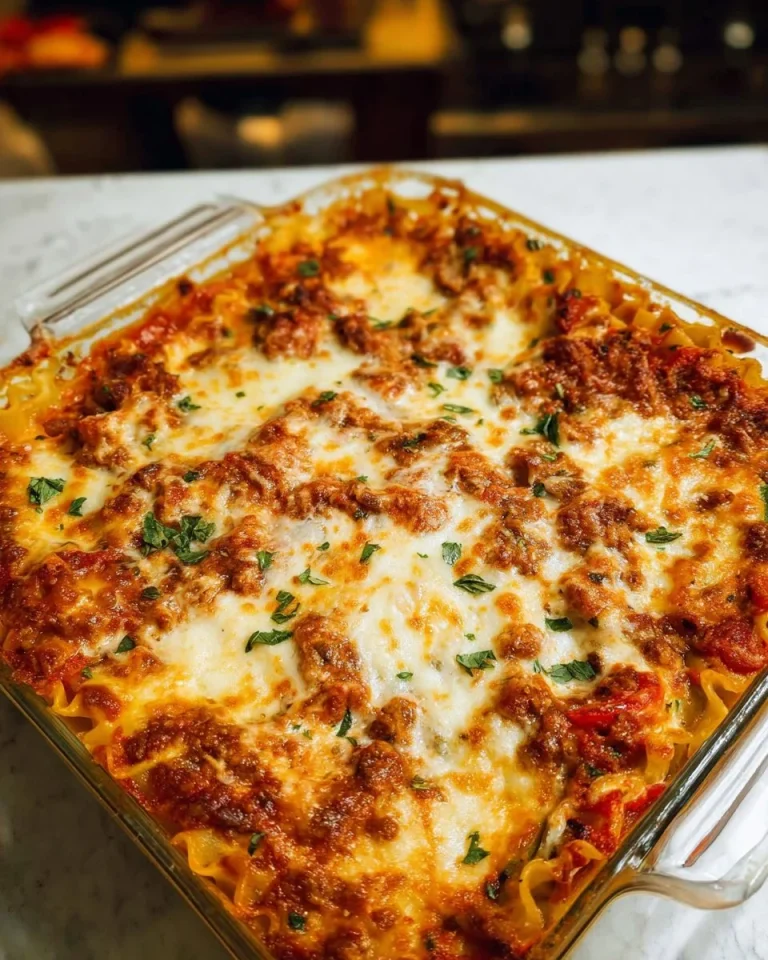
I’ve made this Gordon Ramsay–style lasagna more times than I can count—perfect for a family dinner when you want something comforting, a little indulgent, and reliably crowd-pleasing. It combines a rich, meaty tomato sauce with a creamy cheddar béchamel and non-cook lasagna sheets so it’s quicker than traditional layered pastas but keeps deep, classic flavors.
Why you’ll love this dish
This lasagna hits the sweet spot between homemade comfort and weeknight practicality. The meat sauce gets sweetness from grated carrot and a splash of milk to mellow the tomatoes, while the cheesy béchamel replaces the usual ricotta for a silkier, quicker finish. Using ‘non-cook’ sheets saves time without sacrificing texture when the sauces are moist enough.
“A brilliant crowd-pleaser—deep tomato flavor, creamy béchamel, and the kids ask for seconds every time.” — home cook review
Reasons to try it now:
- Fast enough for a weekend family dinner but rich enough for guests.
- Budget-friendly: uses store staples (minced beef, canned tomatoes, basic dairy).
- Kid-approved and easy to scale up or down.
- Great make-ahead potential for busy weeks.
How this recipe comes together
Step-by-step overview:
- Sauté grated veg and brown minced beef to build a savory meat base.
- Add tomato purée and chopped tomatoes, then simmer briefly with milk for a mellow, glossy ragu.
- Make a quick béchamel (butter + flour + milk) and melt in cheddar for extra creaminess.
- Layer meat sauce, lasagna sheets, and béchamel; top with parmesan and bake until golden and bubbling.
Total active hands-on time: ~30–40 minutes. Oven time: 20–25 minutes. Rest before serving: 10 minutes.
What you’ll need
Key ingredients (with quick swaps):
- For the meat sauce:
- 2 tbsp olive oil
- ½ large onion, peeled and grated (or finely chopped)
- 1 large carrot, peeled and grated
- 2 cloves garlic, crushed
- 2 pinches dried oregano (or 1 tsp mixed Italian herbs)
- 300 g minced beef (swap: 150 g beef + 150 g pork for deeper flavor)
- 1 tbsp tomato purée
- 1 tbsp Worcestershire sauce
- 1 bay leaf
- 1 x 400 g tin chopped tomatoes
- 50 ml milk
- Salt and freshly ground black pepper
- For the béchamel:
- 25 g butter
- 25 g plain flour
- 300 ml milk
- Pinch ground nutmeg
- 60 g cheddar cheese, grated (swap: 100 g mozzarella for stretchier texture)
- 30 g parmesan cheese, grated
- For assembling:
- 6 sheets ‘non-cook’ lasagna sheets (if using fresh sheets, reduce sauce slightly)
- Extra parmesan for topping
Notes:
- The grated carrot and milk in the ragu cut acidity and add body—don’t skip them.
- Use full-fat milk for both sauces for best mouthfeel.
- If you prefer a lighter topping, reduce cheddar or swap for a mixture of mozzarella and parmesan.
Step-by-step instructions
Make the Meat Sauce
- Heat 2 tbsp olive oil in a large pan over medium heat.
- Add the grated onion, carrot, and crushed garlic. Sauté 2–3 minutes until softened and fragrant.
- Season with 2 pinches dried oregano, a bay leaf, salt, and pepper. Add 1 tbsp Worcestershire sauce.
- Push veg to the side. Add 300 g minced beef and break it up with a wooden spoon. Cook until browned and no longer pink.
- Stir in 1 tbsp tomato purée and fry 30 seconds to deepen the flavor.
- Add the 400 g tin chopped tomatoes and 50 ml milk. Bring to a simmer and cook 10–15 minutes until slightly reduced. Remove the bay leaf and set sauce aside.
Prepare the Béchamel Sauce
- Melt 25 g butter in a saucepan over low heat.
- Add 25 g flour and stir to form a paste (roux). Cook 1–2 minutes to remove raw flour taste.
- Gradually whisk in 300 ml milk in three additions to avoid lumps. Keep the heat low.
- Season with a pinch of nutmeg, salt, and pepper. Simmer gently until slightly thickened.
- Stir in 60 g grated cheddar until melted and smooth. Remove from heat.
Assemble the Lasagna
- Preheat oven to 220°C (fan 200°C / gas mark 7).
- Spread half the meat sauce in the base of a baking dish.
- Lay down a layer of lasagna sheets, breaking them to fit if needed.
- Pour over half the béchamel and spread evenly.
- Add the remaining meat sauce, then another layer of pasta.
- Top with the rest of the béchamel. Sprinkle 30 g grated parmesan and a pinch of oregano on top.
Bake and Serve
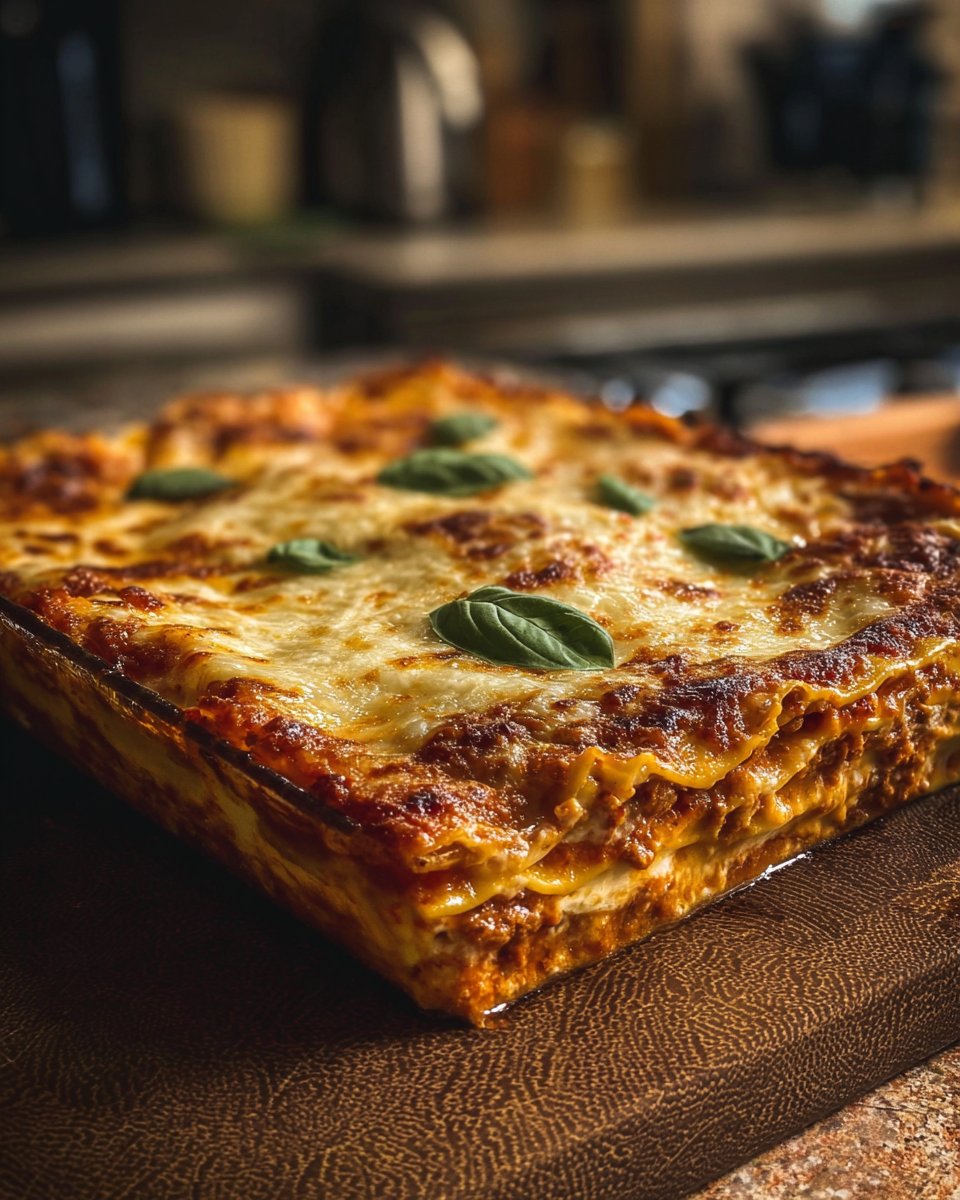
- Bake for 20–25 minutes until golden and bubbling.
- Let the lasagna rest 10 minutes before slicing to set the layers.
Best ways to enjoy it
How to plate and pair:
- Serve slices with a simple peppery rocket salad dressed with lemon and olive oil to cut the richness.
- Crusty garlic bread or a toasted baguette is great for mopping up sauce.
- Wine pairing: a medium-bodied red like Sangiovese or Chianti complements the tomato and beef.
- For a lighter pairing, try a crisp Pinot Grigio or a citrusy Italian white.
Presentation tip: cut neat squares with a hot, dry knife between slices. Garnish each plate with a light dusting of parmesan and a fresh oregano sprig.
Storage and reheating tips
Keeping leftovers fresh:
- Fridge: store covered in an airtight container for up to 3 days. Cool to room temperature before refrigerating (no more than 2 hours at room temp).
- Freezer: cool completely, wrap tightly with foil and cling film, or transfer to a freezer-safe dish. Freeze for up to 3 months. Thaw overnight in the fridge before reheating.
Reheating - Oven (best): cover with foil and bake at 160–170°C for 20–30 minutes until heated through (internal temperature 74°C / 165°F). Remove foil for the last 5–10 minutes to crisp the top.
- Microwave: reheat single portions on medium power in 2–3 minute bursts, checking temperature. Expect softer texture.
Food safety: always reheat until steaming hot throughout. Don’t refreeze lasagna that’s been thawed and reheated.
Pro chef tips
- Brown the meat well: caramelization adds depth. Don’t crowd the pan; brown in batches if needed.
- Use the milk in the ragu: it tames acidity and gives a glossy finish.
- Make a smooth béchamel: whisk continuously when adding milk and keep the heat low to prevent lumps. If lumps form, strain or blitz briefly with an immersion blender.
- Non-cook sheets need enough moisture: if your ragu seems thick, loosen with 1–2 tbsp water or extra milk so the pasta softens properly while baking.
- Rest before cutting: 10 minutes lets the béchamel set so slices keep their shape.
Creative twists
Flavor swaps and variations:
- Meat mix: use pork and beef for a richer ragu, or lamb for a gamier version.
- Vegetarian: replace mince with a mix of sautéed mushrooms, lentils, and diced roasted aubergine. Increase seasoning and add a splash of soy or Worcestershire for umami.
- Cheese change-up: swap cheddar for fontina or a blend of mozzarella and Parmesan for a stringier melt.
- Herb-forward: fold chopped basil or parsley into the béchamel for a fresh finish.
- Spicy twist: add ½ tsp chili flakes to the meat sauce for heat.
Common questions
Q: How long does this take from start to finish?
A: Hands-on time is about 30–40 minutes. Oven time is 20–25 minutes. With resting, plan for roughly 1 hour total.
Q: Can I make the lasagna ahead and bake later?
A: Yes. Assemble, cover, and refrigerate for up to 24 hours before baking. If frozen, thaw overnight in the fridge and bake until piping hot.
Q: Can I swap cheddar for mozzarella or ricotta?
A: Yes. Mozzarella will give a stretchier texture, ricotta will be chunkier and lighter. If using ricotta, fold it into the béchamel or layer it separately.
Q: Do I need to pre-cook lasagna sheets?
A: No—this recipe uses ‘non-cook’ sheets. They soften in the oven with the moisture from the sauces. If using traditional dried pasta sheets, follow package instructions or pre-boil briefly.
Q: My béchamel is lumpy. How do I fix it?
A: Whisk vigorously over low heat to smooth small lumps. For stubborn lumps, pass the sauce through a fine sieve or use an immersion blender briefly.
Conclusion
If you want more background or alternate takes on Gordon Ramsay’s lasagna approach, check this detailed version of Gordon Ramsay’s Lasagne al Forno – Robby Dog Cooks for technique notes. For quick chef tips and troubleshooting, this guide on How To Make the Best Lasagna, According to Gordon Ramsay | The Kitchn is a handy companion.
Enjoy the baking—this lasagna rewards patience with deeply layered flavor and a creamy finish.

Gordon Ramsay–Style Lasagna
Ingredients
Method
- Heat 2 tbsp olive oil in a large pan over medium heat.
- Add the grated onion, carrot, and crushed garlic. Sauté 2–3 minutes until softened and fragrant.
- Season with 2 pinches dried oregano, a bay leaf, salt, and pepper. Add 1 tbsp Worcestershire sauce.
- Push veg to the side. Add 300 g minced beef and break it up with a wooden spoon. Cook until browned and no longer pink.
- Stir in 1 tbsp tomato purée and fry 30 seconds to deepen the flavor.
- Add the 400 g tin chopped tomatoes and 50 ml milk. Bring to a simmer and cook 10–15 minutes until slightly reduced. Remove the bay leaf and set sauce aside.
- Melt 25 g butter in a saucepan over low heat.
- Add 25 g flour and stir to form a paste (roux). Cook 1–2 minutes to remove raw flour taste.
- Gradually whisk in 300 ml milk in three additions to avoid lumps. Keep the heat low.
- Season with a pinch of nutmeg, salt, and pepper. Simmer gently until slightly thickened.
- Stir in 60 g grated cheddar until melted and smooth. Remove from heat.
- Preheat oven to 220°C (fan 200°C / gas mark 7).
- Spread half the meat sauce in the base of a baking dish.
- Lay down a layer of lasagna sheets, breaking them to fit if needed.
- Pour over half the béchamel and spread evenly.
- Add the remaining meat sauce, then another layer of pasta.
- Top with the rest of the béchamel. Sprinkle 30 g grated parmesan and a pinch of oregano on top.
- Bake for 20–25 minutes until golden and bubbling.
- Let the lasagna rest 10 minutes before slicing to set the layers.