Fluffy Japanese Soufflé Pancakes

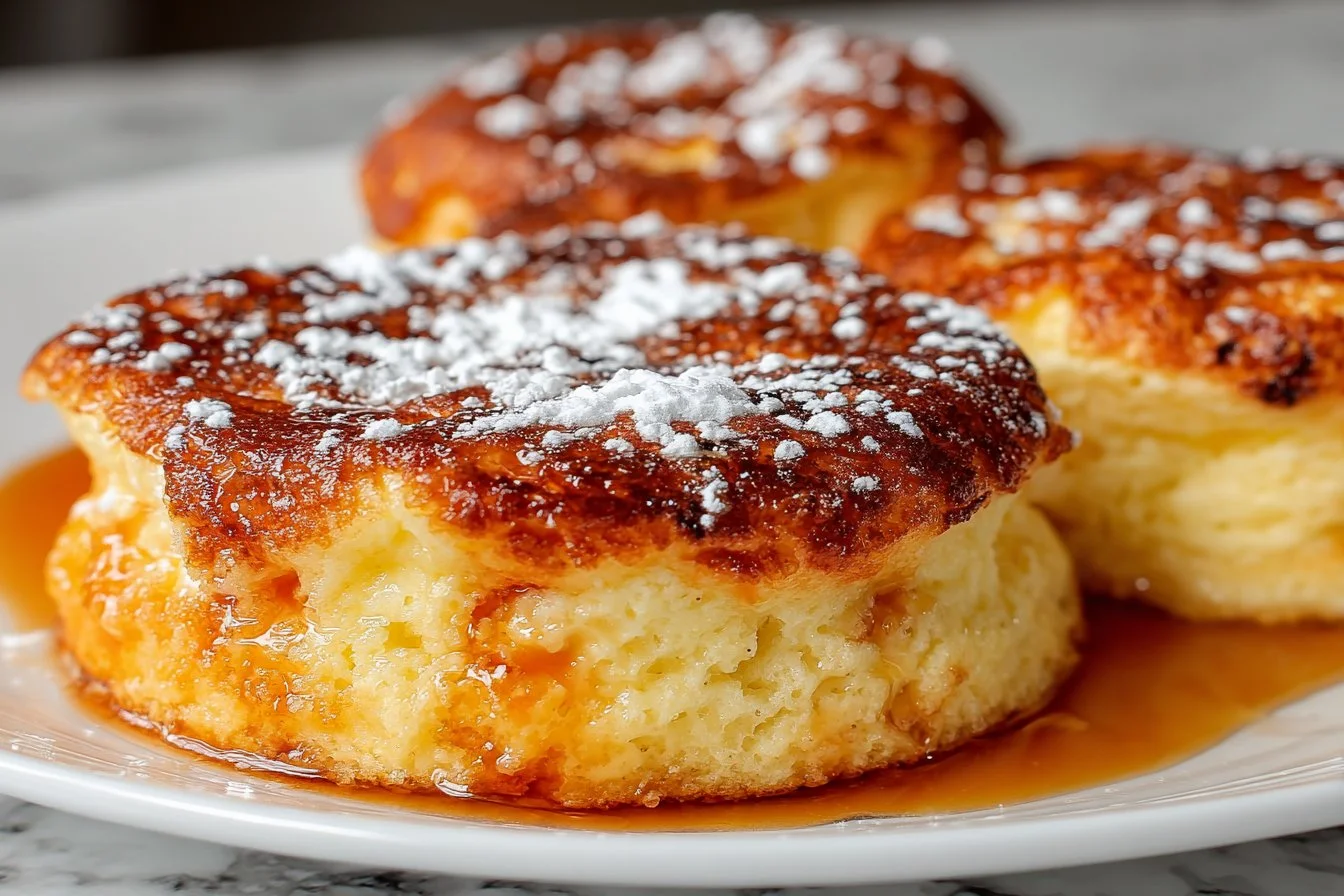
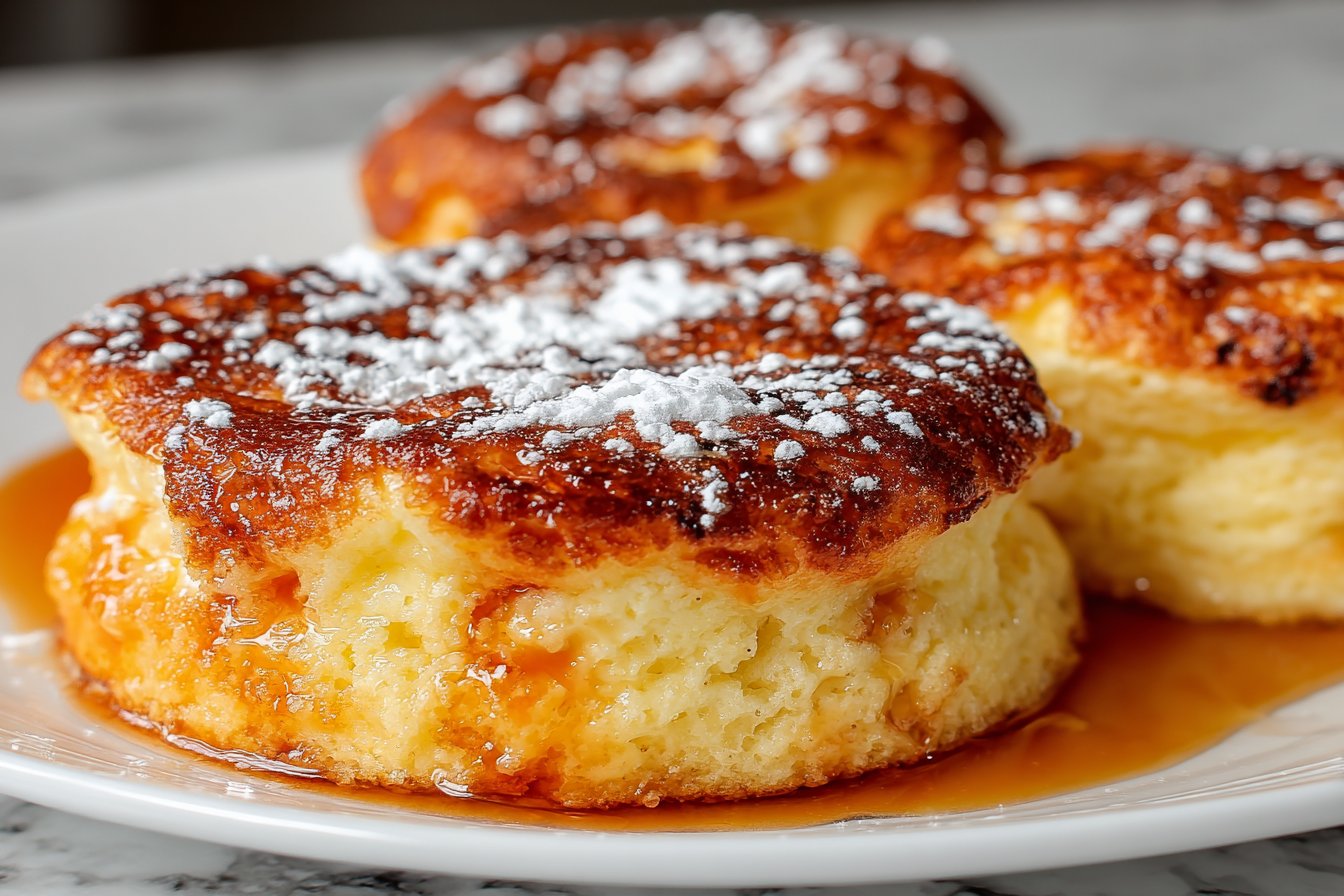
I still remember the first time I flipped one of these—an impossibly tall, cloudlike pancake that wobbled gently on the spatula and landed on the plate like a soft marshmallow. Fluffy Japanese soufflé pancakes are airy, jiggly breakfast stars that turn an ordinary morning into a special occasion. They’re perfect for a relaxed weekend brunch, a kid-approved treat, or when you want café-style drama at home with minimal ingredients.
Why you’ll love this dish
These pancakes stand apart because the texture is everything: light as air and subtly sweet. With just eggs, a little flour and milk, and a careful technique, you get a thick, pillowy stack that feels indulgent without being heavy. They also scale well—make a few for two people or double the batter for a family brunch. If you like the theatrical aspect of plating and want something Instagram-worthy that’s genuinely delicious, this recipe delivers.
“The pancakes looked too good to touch—then tasted even better. Fluffy, jiggly, and perfectly golden.” — a quick review after my first batch
Why cooks and home bakers try this often:
- Minimal, pantry-friendly ingredients.
- Fast to mix (the whipping takes the execution time).
- Kid-friendly and great for special breakfasts.
- Makes a small batch quickly, so no long commitments.
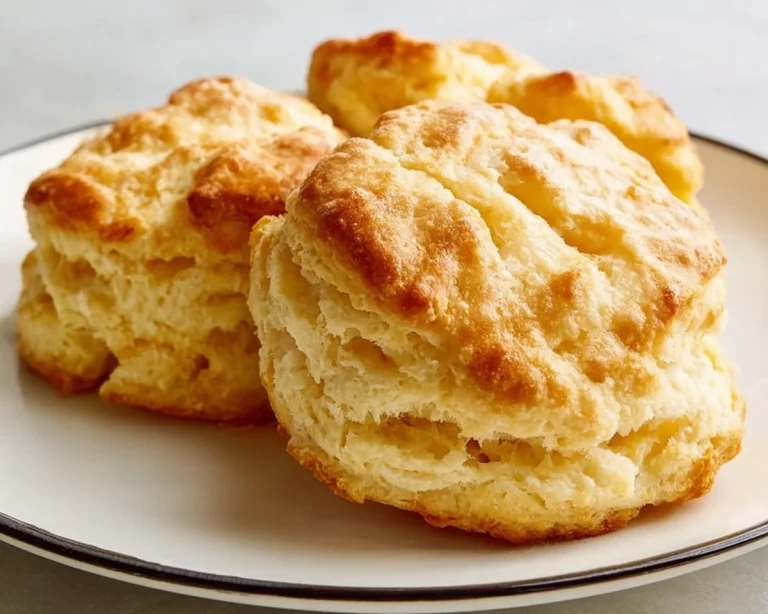
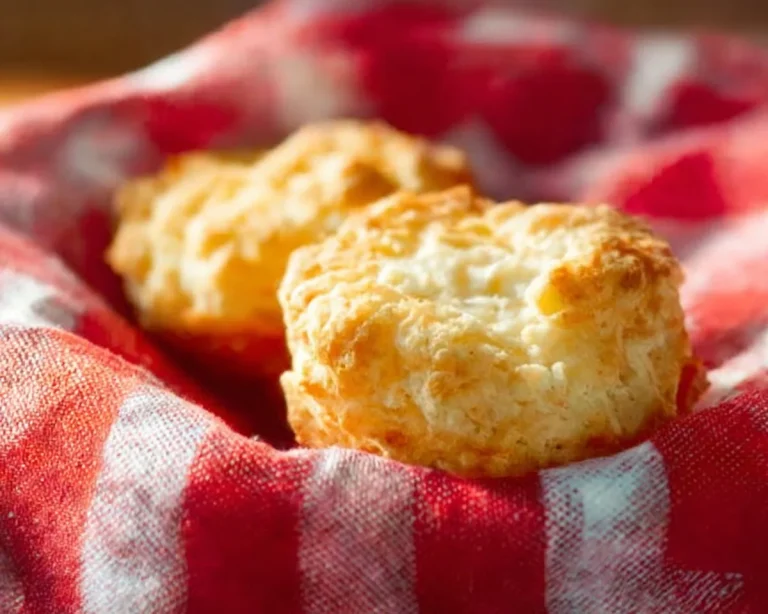
For a similarly easy, comforting bake to serve alongside these pancakes, check out this guide to fluffy homemade biscuits.
Step-by-step overview
Before we list ingredients, here’s what happens in plain terms so you know what to expect:
- Separate eggs and make a smooth yolk batter with milk, flour and a touch of leavening.
- Whip the egg whites to soft → stiff peaks to create the soufflé lift.
- Gently fold whites into the yolk batter so air stays trapped.
- Use a low, steady heat and a ring mold (or cook freeform) with a lid to steam each pancake slowly until golden.
- Stack and serve immediately with syrup, fruit or cream.
This overview helps you scan the method quickly and decide if you need extra tools (ring molds, thermometer, etc.) before starting.
Gather these items
Key ingredients
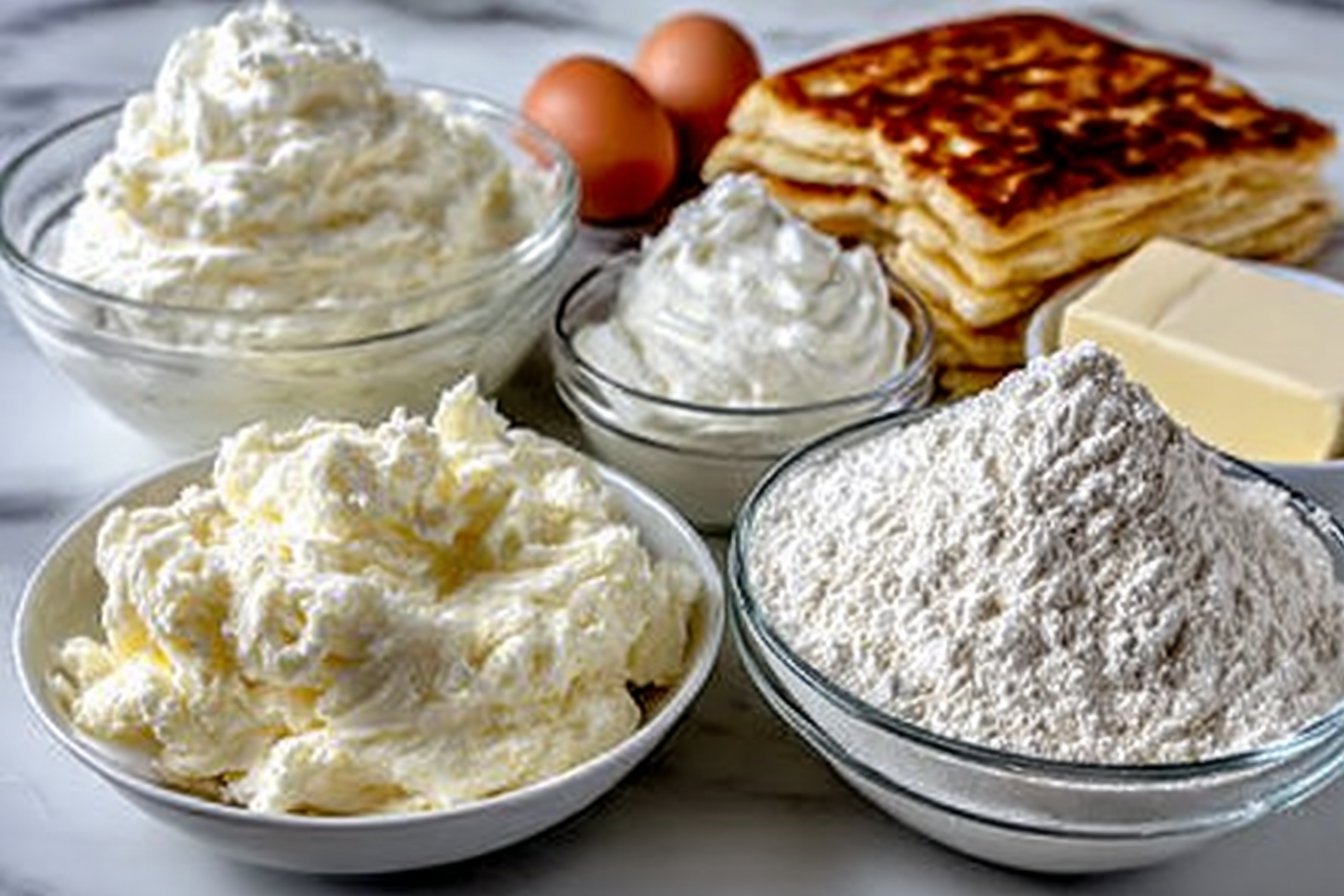
- 2 large eggs (separated)
- 2 tablespoons milk (any milk works; whole milk gives richer flavor)
- 1/4 cup all-purpose flour (sifted)
- 1/2 teaspoon baking powder
- 1 tablespoon sugar (divide between yolks and whites as you like)
- A pinch of salt
- Butter for cooking
- Syrup, fresh fruit, or whipped cream for serving
Notes and substitutions
- For dairy-free: use almond or oat milk and cook with vegetable oil instead of butter.
- For a gluten-free option: substitute cup-for-cup gluten-free flour, but expect slightly different structure.
- If you’re short on baking powder, replace with 1/8 teaspoon baking soda plus 1/4 teaspoon cream of tartar (some testers prefer adding a pinch to the whites to stabilize them).
- Use pasteurized eggs if you’re serving to anyone who’s immune-compromised or very young.
How this recipe comes together
This is the smart part: you create two mixtures—one rich yolk batter and one aerated egg-white meringue—and combine them gently. The whipped whites provide the lift; the yolk batter provides structure and flavor. Cooking low and under a lid traps steam, setting the pancake slowly so it stays tall instead of collapsing. Tools that help: a ring mold (2–3 inches tall for tall pancakes), a clean bowl for whites, and a gentle hand when folding.
Directions to follow
- Separate the eggs, keeping whites in a perfectly dry bowl. Any fat will stop the whites from whipping.
- Whisk the yolks with 2 tablespoons milk, 1 tablespoon sugar (reserve half if you like), and a pinch of salt until smooth.
- Sift in 1/4 cup flour and 1/2 teaspoon baking powder. Stir into a lump-free batter.
- Beat the egg whites on medium speed until soft peaks form. Gradually add the remaining sugar and continue to beat until stiff, glossy peaks form.
- Fold one-third of the whipped whites into the yolk batter to loosen it. Then fold in the remaining whites gently with a spatula, stopping when streaks disappear. Don’t overmix.
- Heat a non-stick skillet over the lowest heat you can maintain. Lightly butter the surface and place a ring mold if using. Spoon or pipe batter into the mold to your desired height.
- Cover the skillet with a lid and cook for about 4–5 minutes. Remove the mold carefully, flip the pancake gently (use two spatulas) and cook another 4–5 minutes covered until both sides are golden and the center is set.
- Stack and serve immediately with syrup, fruit, or a dollop of whipped cream.
Short, crisp actions make the process repeatable: separate, whip, fold, cook low and covered, then serve hot.
Best ways to enjoy it
Serving suggestions
- Classic stack: warm maple syrup, a pat of butter and a handful of sliced berries.
- Berry compote and whipped cream: simmer berries with a tablespoon of sugar until saucy, spoon over pancakes.
- Matcha twist: dust with matcha powder and top with sweetened azuki beans for a Japanese café feel.
- Savory option: try a light lemon curd and mascarpone for brunch balance.
Pair with light coffee or matcha latte—heavy drinks can overpower the delicate texture. For a weekend brunch spread, serve with simple buttery biscuits or quick scones for variety (see a flaky biscuit method here).
Storage and reheating tips
Keeping leftovers fresh
- Refrigerator: Store cooled pancakes in an airtight container for up to 24 hours. They’re best eaten the same day.
- Freezing: Layer pancakes between parchment paper and freeze in a sealed bag for up to 1 month. Thaw in the fridge before reheating.
- Reheating: Warm in a skillet over very low heat with a lid for 1–2 minutes per side, or microwave briefly (10–15 seconds) covered with a damp paper towel to avoid drying. Re-steaming under a lid helps recover some of the fluffiness.
Food-safety note: Because the pancakes are cooked through, they’re safe to eat if cooked to a set center. If you’re worried about raw whites used in preparation, use pasteurized eggs.
Helpful cooking tips
- Perfect whites: start with eggs at room temperature—they whip faster and larger.
- No ring mold? Pipe batter onto the skillet in several generous mounds and keep lids on; they’ll still rise though not as uniformly tall.
- Gentle folding: use a wide spatula and a folding motion from the bottom up. Preserve as many air bubbles as possible.
- Low and slow: high heat will brown the outside before the center sets; maintain the lowest consistent heat.
- Stabilizers: a pinch of cream of tartar or a drop of vinegar helps the whites stay firm if it’s humid.
- Practice flip: use two spatulas when flipping tall pancakes to support their height and avoid deflation.
Creative twists
Flavor swaps
- Chocolate: fold in 1–2 tablespoons of cocoa powder to the yolk batter and add chocolate chips.
- Citrus: fold in a teaspoon of lemon or orange zest for brightness.
- Ube or matcha: fold in a teaspoon of matcha powder or swirl in ube paste for color and flavor.
- Vegan-ish: replicate texture with aquafaba (chickpea water) whipped like egg whites and a silken tofu yolk mix—results vary but can be excellent with practice.
Dietary variations
- Gluten-free: use a cup-for-cup gluten-free flour blend and add a tiny extra binder like 1/2 teaspoon xanthan gum if your blend lacks it.
- Lower sugar: reduce sugar in meringue to taste; sweet toppings can compensate.
Your questions answered
Q: How long does this take from start to plate?
A: Active mixing and whipping take about 15–20 minutes; cooking is roughly 10–15 minutes depending on batch size. Plan 30–40 minutes total for a single small batch.
Q: Can I make the batter ahead?
A: Make the yolk batter ahead and keep covered in the fridge for a few hours. Whip the whites just before cooking and fold together—do not fold in whites until ready to cook.
Q: Why did my pancakes fall flat?
A: Common causes: overfolding (deflates air), whites not beaten to proper peaks, too-high heat causing collapse, or batter sat too long before cooking. Use fresh-whipped whites and cook promptly.
Q: Are these safe for kids and elderly?
A: Once fully cooked, yes. If you have concerns about raw egg handling, use pasteurized eggs for peace of mind.
Q: What if I don’t have a ring mold?
A: You can cook them freeform on the skillet, or make a taller mound by piping batter. They’ll be less perfectly cylindrical but still delicious.
Conclusion
If you want a visual guide to the technique and the classic Japanese presentation, this Fluffy Japanese Soufflé Pancakes (Video) スフレパンケーキ walkthrough is a helpful companion. For another tested home recipe with tips and step photos, see this Japanese Souffle Pancake Recipe – Mochi Mommy.
Fluffy Japanese Soufflé Pancakes
Ingredients
Method
- Separate the eggs, keeping whites in a perfectly dry bowl.
- Whisk the yolks with 2 tablespoons milk, 1 tablespoon sugar (reserve half if you like), and a pinch of salt until smooth.
- Sift in 1/4 cup flour and 1/2 teaspoon baking powder. Stir into a lump-free batter.
- Beat the egg whites on medium speed until soft peaks form. Gradually add the remaining sugar and continue to beat until stiff, glossy peaks form.
- Fold one-third of the whipped whites into the yolk batter to loosen it. Then fold in the remaining whites gently with a spatula, stopping when streaks disappear. Don’t overmix.
- Heat a non-stick skillet over the lowest heat you can maintain. Lightly butter the surface and place a ring mold if using.
- Spoon or pipe batter into the mold to your desired height.
- Cover the skillet with a lid and cook for about 4–5 minutes.
- Remove the mold carefully, flip the pancake gently (use two spatulas), and cook another 4–5 minutes covered until both sides are golden and the center is set.
- Stack and serve immediately with syrup, fruit, or a dollop of whipped cream.