Copycat Samoas Cookies

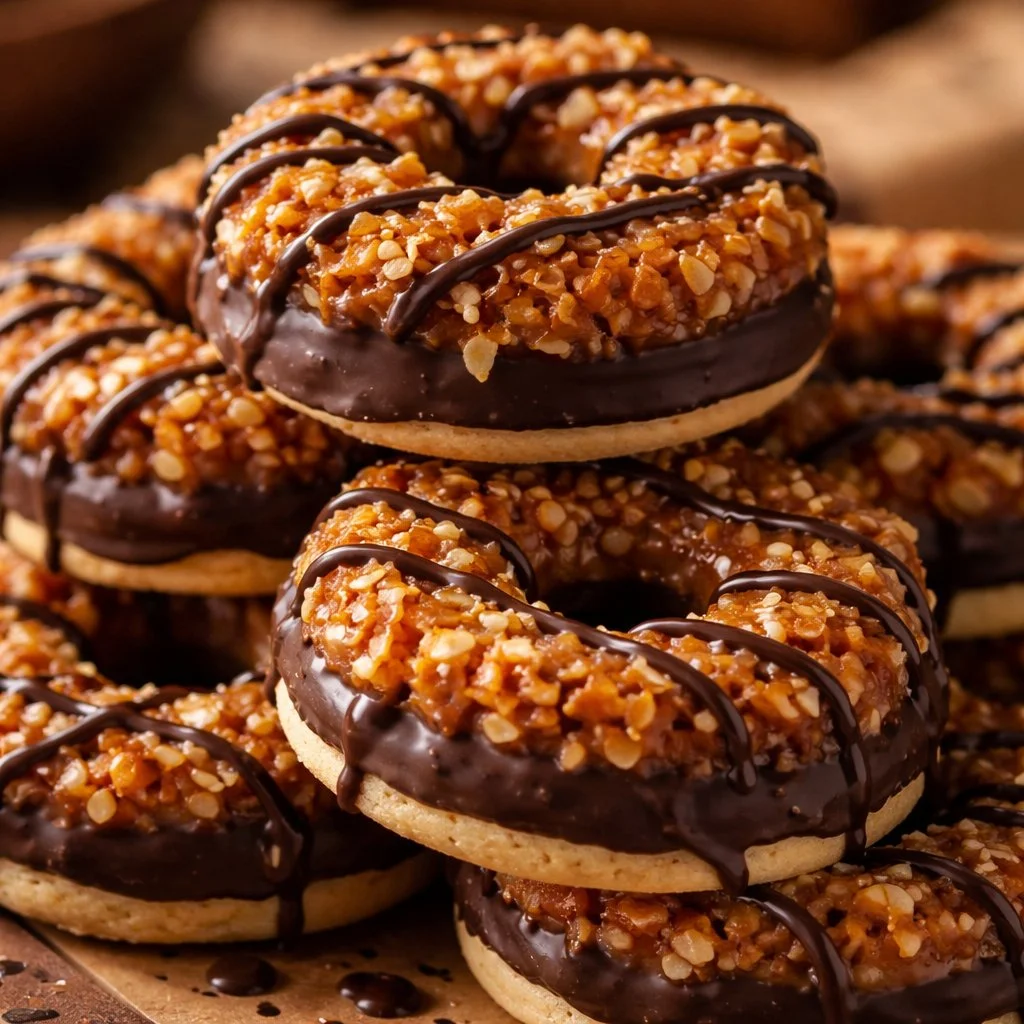
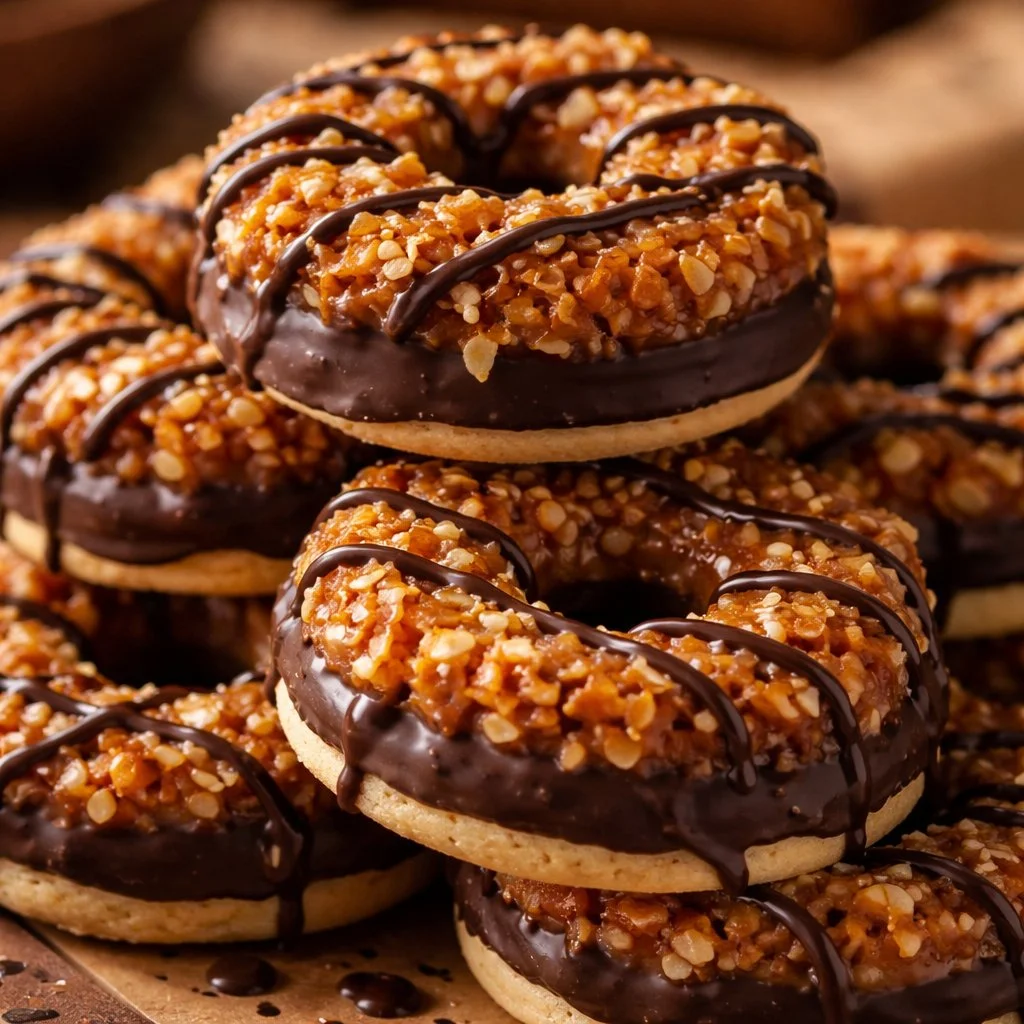
I grew up chasing the caramel-coconut-chocolate trio in box cookies, so making a copycat Samoas at home felt like the culinary version of nostalgia therapy. These cookies layer a crisp, buttery shortbread base with toasted sweet coconut folded into warm caramel, then get the finishing touch of glossy chocolate. They’re perfect for bake sales, holiday tins, or whenever you need a cookie that tastes like a special occasion.
Why you’ll love this dish
Homemade Samoas capture everything fans want: a tender shortbread ring, chewy caramel-coconut topping, and a bittersweet chocolate finish. Making them at home means fresher texture, control over sweetness, and the ability to adapt for dairy-free eaters or swap chocolate types. They’re also a great project for an afternoon with kids—the assembly is tactile and forgiving.
“These taste like the boxed version but brighter: the toasted coconut and warm caramel make every bite sing.” — a regular at my holiday cookie exchange
Step-by-step overview
This recipe breaks down into four main stages so you can read ahead and organize:
- Make a simple shortbread dough, roll thin, and chill.
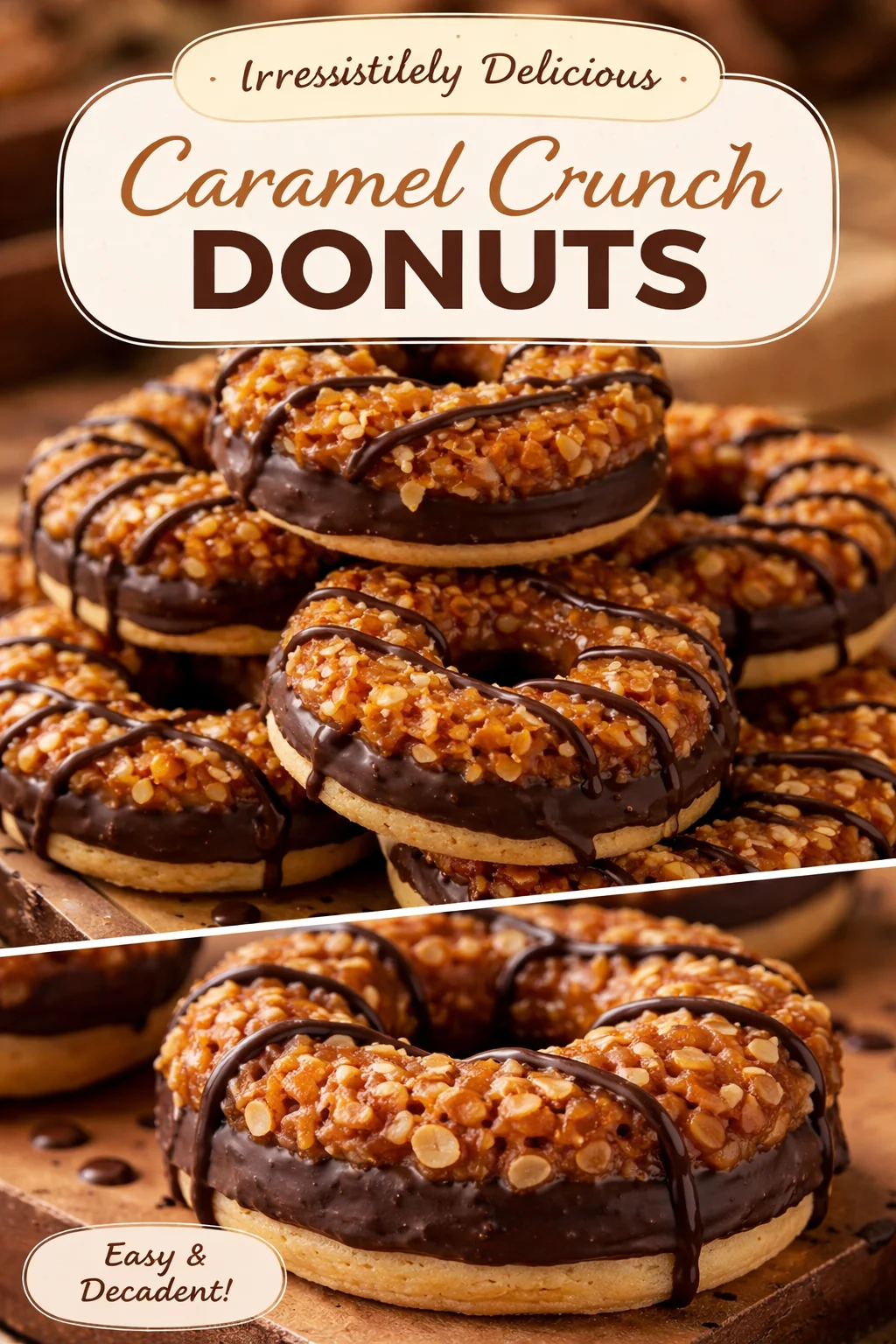
- Cut out donut-shaped cookies and bake until just golden.
- Toast the coconut and melt caramels to create the coconut-caramel topping.
- Spread the topping on cooled cookies and finish with melted chocolate (either dipped or drizzled).
Knowing that sequence helps you plan oven use and cooling time so the caramel sets properly.
What you’ll need
- 1 cup unsalted butter, room temperature (use vegan butter for dairy-free)
- 1/2 cup granulated sugar
- 2 cups all-purpose flour
- 1/4 tsp baking powder
- 1/4 tsp salt
- 2 1/2 Tbsp whole milk (or 2%; for dairy-free use canned coconut milk)
- 1 tsp vanilla extract
- 2 1/4 cups shredded sweetened coconut
- 11 oz Kraft baking caramels
- 5 Tbsp milk (for melting caramels; use coconut milk for dairy-free)
- 1/4 tsp salt (for the caramel)
- 1 1/2 cups semi-sweet chocolate (chips or chopped bar)
Notes and substitutions:
- For a crisper shortbread, chill the dough longer than 30 minutes. For a more tender cookie, don’t overwork the dough.
- If you like a buttery shortbread base on its own, compare techniques in this buttery shortbread recipe to refine texture.
How to prepare it
- In a stand mixer fitted with the paddle (or with a hand mixer), cream the room-temperature butter and sugar until light and smooth, about 2–3 minutes.
- Scrape the bowl. Add flour, baking powder, and 1/4 tsp salt. Mix on low until just incorporated. Avoid overmixing.
- Add milk and vanilla. Mix until the dough starts to hold together; a few crumbs are fine.
- Turn the dough onto parchment and roll between two sheets until thin (about 1/8 inch). Transfer, still on parchment, to the fridge and chill at least 30 minutes. Chilling firms the dough and minimizes spreading.
- Preheat oven to 350°F (175°C). Use a round cutter and a smaller cutter for the hole to make donut-shaped cookies. Re-roll scraps once and cut more rings.
- Bake on a lined sheet for about 10 minutes, or until the edges just begin to turn golden. Cool completely on a wire rack—do not add caramel while warm or it will melt into the cookie.
- Reduce oven to 325°F (160°C). Spread the shredded coconut on a baking sheet and toast 5–8 minutes, stirring halfway, until golden and fragrant. Watch closely; it browns fast.
- In a small heavy saucepan over low heat (or in a double boiler), melt the caramels with 5 Tbsp milk and 1/4 tsp salt, stirring constantly until smooth. Remove from heat and fold in the toasted coconut until fully combined. If the caramel firms before you use it, warm gently again.
- Spread a spoonful of the coconut-caramel mixture onto each cooled cookie and let set for 20–30 minutes at room temperature.
- Melt the chocolate in short bursts in a microwave or in a double boiler until smooth. Either dip cookie bottoms into the chocolate and return to a rack, or drizzle chocolate over the tops for a lighter chocolate coating. Let the chocolate firm completely before stacking.
Best ways to enjoy it
- Serve on a dessert platter alongside coffee or a bold black tea; the chocolate and caramel pair beautifully with tannic beverages.
- Package them in layers separated by parchment for gifting.
- For a party, arrange a small plate with different textures—one Samoas, one buttery shortbread, and one chewy oatmeal cookie—for contrast. If you enjoy playful baking projects, try sandwiching a thin scoop of coffee or vanilla ice cream between two cookies for an indulgent ice-cream-sandwich treat.
How to store & freeze
Room temperature: Store in an airtight container at room temperature for up to 5 days. Place wax paper between layers to prevent sticking.
Refrigeration: You can refrigerate for up to 2 weeks, but chocolate may bloom slightly (harmless whitening). Bring to room temperature before serving.
Freezing: Freeze baked, un-topped cookies for up to 2 months; thaw and then add caramel-coconut and chocolate. Or assemble complete cookies and freeze on a tray until firm, then transfer to a sealed container for up to 1 month. Thaw in the fridge to avoid sweating.
Food safety: Because this recipe uses shelf-stable caramel and no raw eggs, standard refrigeration practices are sufficient. Discard if you notice off smells or visible mold.
Pro chef tips
- Toast coconut in a single even layer and stir every 1–2 minutes — it can go from perfect to burnt very quickly.
- Warm the caramel slowly over low heat and stir constantly; high heat causes grainy caramel. A tiny splash more milk helps if it becomes too thick.
- If your caramel is too runny when spreading, let it cool 5–10 minutes to thicken so it stays put. If it’s too stiff, rewarm gently with a teaspoon of milk.
- For cleaner chocolate work, temper or at least cool melted chocolate to about 88–90°F before dipping; this reduces bloom later. Additional texture inspiration and technique reminders can be found in this playful brown sugar pop tart cookies post that highlights chilling and rolling tips applicable here.
Creative twists
- Coconut-light: Reduce the coconut to 1 1/2 cups if you want a less dominant coconut flavor.
- Dark-chocolate lovers: Use 60–72% dark chocolate for deeper bitterness against the caramel.
- Nutty crunch: Sprinkle finely chopped toasted pecans into the caramel-coconut for a nutty layer.
- Gluten-free: Substitute 1:1 gluten-free flour blend and chill longer; monitor baking time since GF doughs brown differently.
- Mini version: Use small cutters for bite-sized Samoas—these are great for cookie trays.
If you like riffing on classics, you can adapt the assembly ideas in this other brown sugar pop tart cookies recipe to create handheld or filled Samoas-inspired treats.
Your questions answered
Q: How long does this take from start to finish?
A: Active time is about 45–60 minutes; total time including chilling and cooling is roughly 2–3 hours.
Q: Can I make the caramel topping ahead?
A: Yes — make the caramel-coconut up to 3 days ahead and refrigerate in an airtight container. Warm slightly before spreading if it firms.
Q: How do I prevent the cookies from becoming soggy?
A: Cool cookies completely before adding topping and don’t stack while the caramel is warm. Thinner, crisp cookies and well-toasted coconut also help.
Q: Can I use store-bought caramel sauce instead of melting caramels?
A: You can, but jarred caramel is often thinner. Cook it down slightly to thicken, then fold in toasted coconut so the topping holds its shape.
Q: Are these safe for a dairy-free diet?
A: Yes if you substitute vegan butter, use coconut milk for the caramel, and choose dairy-free chocolate.
Conclusion
If you want a do-ahead showstopper that tastes even better than the box, these copycat Samoas are worth the few extra steps. For a detailed home-made Samoas walkthrough with slightly different tips and photos, check out this helpful guide at Make at Home Samoas – Homemade Samoas: Girl Scout Cookies. For another copycat perspective and variations to try, see the recipe notes at Samoas Cookies (Girl Scout Copycat) • Kroll’s Korner.
Copycat Samoas
Ingredients
Method
- In a stand mixer, cream the room-temperature butter and sugar until light and smooth, about 2–3 minutes.
- Add flour, baking powder, and 1/4 tsp salt. Mix on low until just incorporated.
- Add milk and vanilla. Mix until the dough holds together; a few crumbs are fine.
- Roll the dough between parchment sheets until thin (about 1/8 inch) and chill at least 30 minutes.
- Preheat oven to 350°F (175°C). Cut out donut-shaped cookies and bake for 10 minutes until edges are golden.
- Cool completely on a wire rack.
- Reduce oven to 325°F (160°C) and toast shredded coconut on a baking sheet for 5–8 minutes, stirring halfway.
- Melt caramels with 5 Tbsp milk and 1/4 tsp salt in a saucepan, stirring until smooth.
- Fold in toasted coconut and let it cool slightly.
- Spread a spoonful of coconut-caramel mixture on each cooled cookie and let set for 20–30 minutes.
- Melt chocolate and either dip the cookie bottoms or drizzle chocolate over the tops. Let firm completely before stacking.