Thai Peanut Noodles

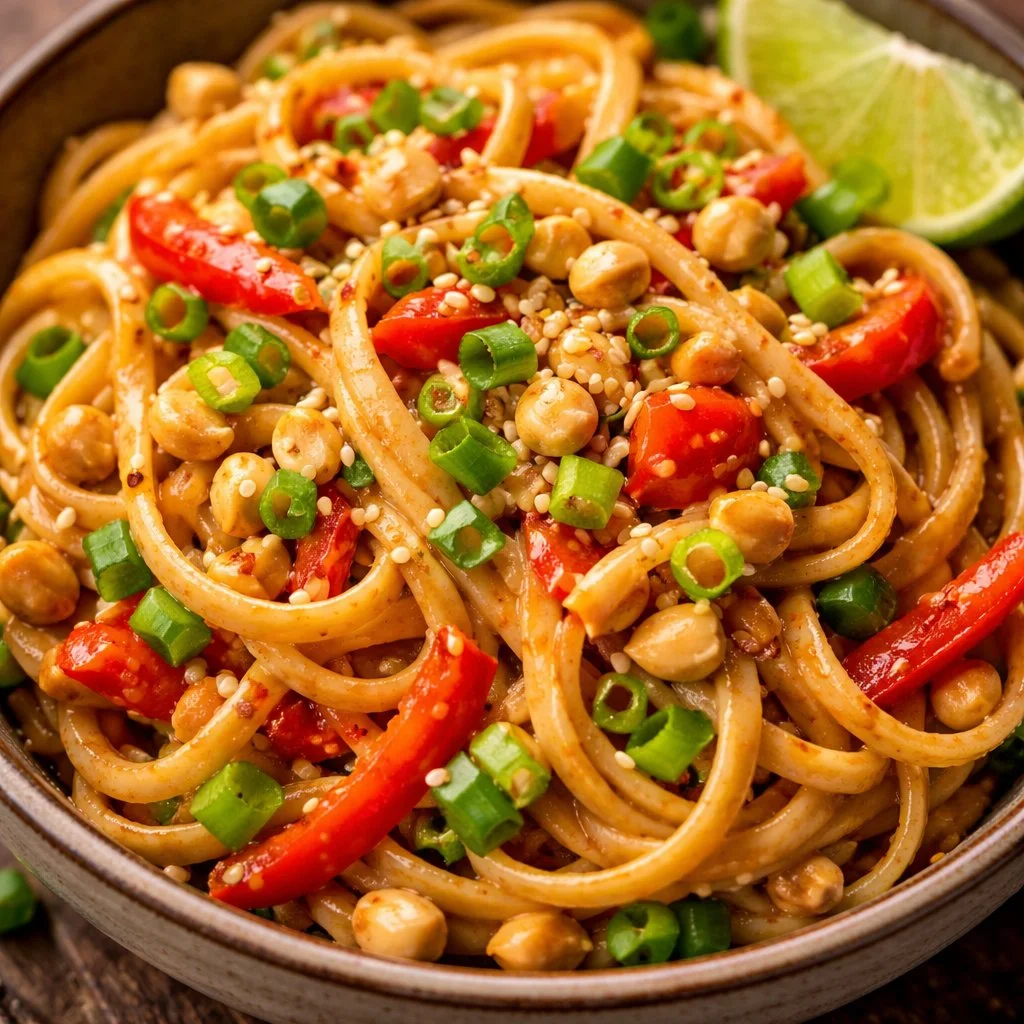
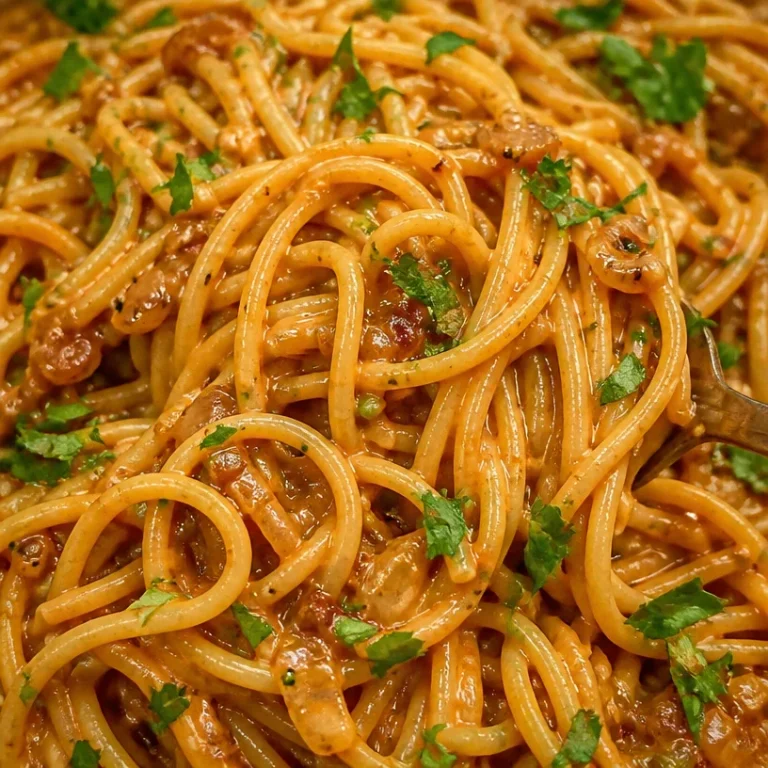
I’ve been making a quick batch of Thai peanut noodles for weeknight dinners for years — it’s the one bowl that satisfies everyone in under 20 minutes. This version uses simple pantry staples and rice noodles for a silky, nutty sauce that clings to every strand. If you want a fast, adaptable meal that plays well with grilled chicken, tofu, or shrimp, this is it — and it pairs nicely with other Thai noodle ideas like a guide to Thai drunken noodles when you want something with more heat.
Why you’ll love this dish
This recipe is fast, forgiving, and crowd-pleasing. It’s pantry-friendly (peanut butter and soy sauce do most of the flavor work), vegetarian if you skip animal protein, and easy to scale up. The lime brightens the richness of the peanut butter, while sesame oil adds that toasty backbone that makes the dish feel restaurant-level without a lot of fuss.
“Creamy, tangy, and just a little spicy — this became our quick weeknight staple.” — home cook review
It’s perfect for busy weeknights, potlucks, or meal-prep lunches. If you like exploring noodle recipes, you can compare textures and sauces with resources like other Thai noodle variations to decide what suits your mood.
Step-by-step overview
Before you start, here’s what happens in three easy stages:
- Cook rice noodles until tender, then rinse to stop cooking and prevent clumping.
- Whisk a smooth peanut sauce from peanut butter, soy, sesame oil, sweetener, lime, garlic, and red pepper flakes; thin with warm water if needed.
- Toss noodles with the sauce over low heat just until warmed and coated, then garnish and serve.
This structure keeps the noodles glossy rather than gummy and lets you adjust seasoning at the end.
What you’ll need
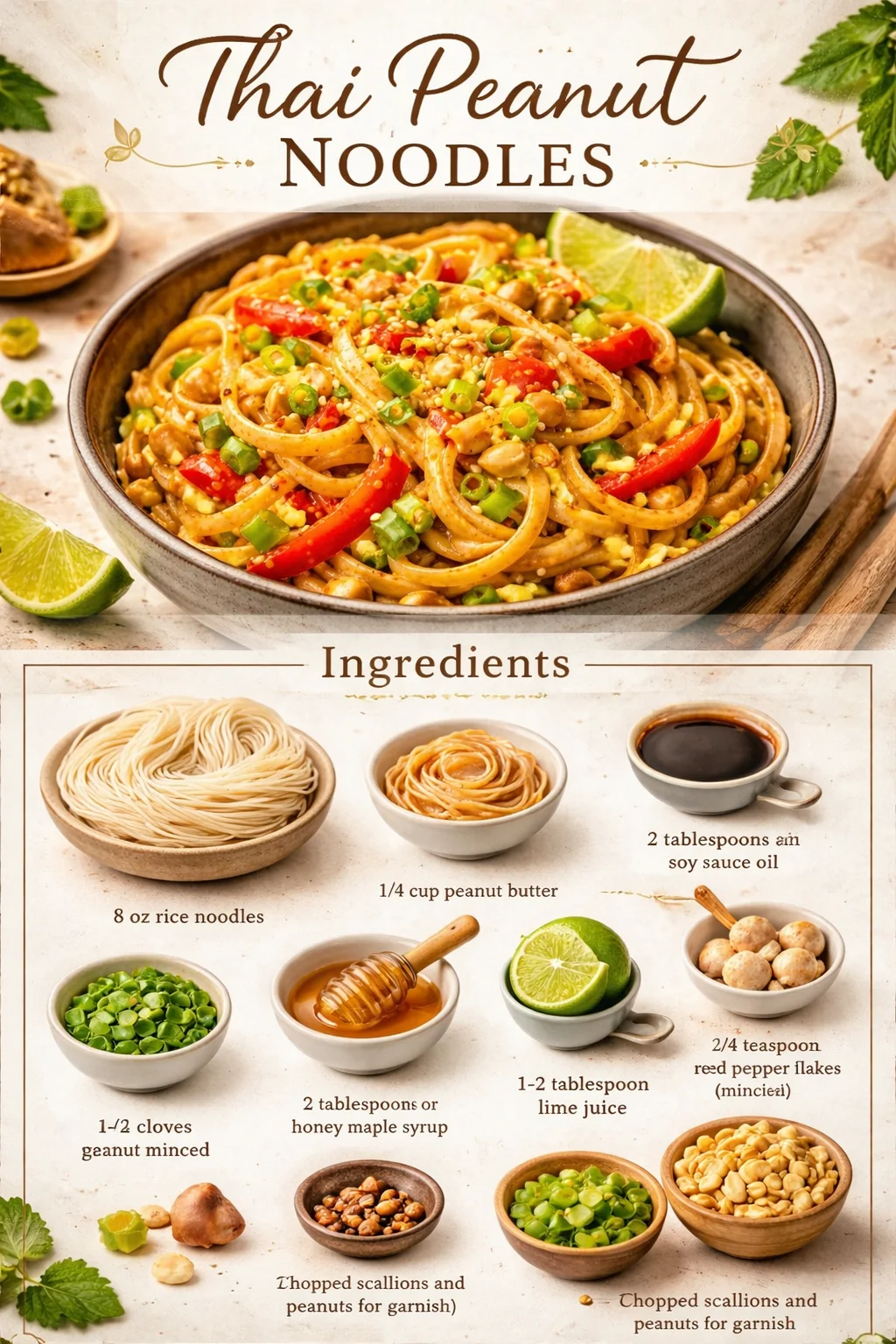
- 8 oz rice noodles (vermicelli or flat rice noodles) — use flat rice noodles for a chewier bite, vermicelli for a lighter texture
- 1/4 cup peanut butter (smooth or crunchy) — natural or processed both work; stir well if oil has separated
- 2 tablespoons soy sauce (or tamari for gluten-free)
- 1 tablespoon sesame oil
- 2 tablespoons honey or maple syrup (maple for vegan)
- 1 tablespoon lime juice (fresh preferred)
- 1–2 cloves garlic, minced (adjust to taste)
- 1/4 teaspoon red pepper flakes (optional — add more for heat)
- Chopped scallions for garnish
- Crushed peanuts for garnish
Notes/substitutions: Use almond or sunflower seed butter for peanut allergy (increase lime and salt to boost flavor). If you like a saucier noodle, add 1–3 tablespoons warm water to loosen the sauce.
Step-by-step instructions
- Bring a pot of water to a boil and cook the rice noodles according to the package directions (usually 3–6 minutes for vermicelli, a bit longer for wider rice noodles). Drain and rinse under cold water to stop cooking. Shake off excess water and set aside.
- In a medium bowl, whisk together the peanut butter, soy sauce (or tamari), sesame oil, honey or maple syrup, lime juice, minced garlic, and red pepper flakes. If the mixture is thick, whisk in warm water a tablespoon at a time until a smooth, pourable sauce forms. Taste and adjust salt, sweet, or lime as needed.
- Heat a large skillet over low heat. Add the cooked noodles and pour the peanut sauce over them. Gently toss with tongs or chopsticks until the noodles are evenly coated and warmed through, about 1–2 minutes. If the noodles seem dry, add another tablespoon of warm water.
- Transfer to bowls and sprinkle with chopped scallions and crushed peanuts. Add optional protein like sliced grilled chicken, cubed tofu, or sautéed shrimp to make it a full meal.
Keep actions short and deliberate: cook, mix, toss, garnish.
Best ways to enjoy it
Serve these noodles warm or at room temperature. For a composed meal:
- Add sliced grilled chicken, seared tofu, or shrimp for protein.
- Toss in quick vegetables like julienned carrots, cucumber ribbons, thinly sliced bell pepper, or blanched broccoli for color and crunch.
- For a picnic or potluck, transfer to a wide platter and top with herbs (cilantro, Thai basil) and lime wedges.
If you want a heartier plate alongside, try pairing with slow-roasted meats or other noodle dishes — I sometimes serve these next to a braised beef noodle from time-saving guides like slow-cook beef-and-noodle tips for a contrasting menu.
Storage and reheating tips
- Refrigerate leftovers in an airtight container for up to 3–4 days. The sauce will thicken as it chills; stir in a teaspoon or two of warm water when reheating.
- Reheat gently in a skillet over low heat until steaming (165°F internal temperature recommended), or microwave in 30-second bursts, stirring between each burst.
- Freezing is possible but not ideal for texture — noodles may become softer after thawing. If you must freeze, store sauce and noodles separately in freezer-safe containers for up to 2 months.
Always discard any food left out at room temperature for more than two hours (one hour if above 90°F).
Helpful cooking tips
- Don’t overcook rice noodles — they keep cooking from residual heat. Rinse with cold water to halt the process.
- Whisk the sauce in a warm bowl or add warm water gradually for a glossy emulsion.
- Taste and balance: if the sauce is too salty, add a touch more sweetener or lime; if too sweet, add a splash of soy or lime.
- For extra depth, add 1/2 teaspoon of fish sauce (skip for vegetarian) or a dash of toasted sesame seeds at the end.
- If you want a creamy, less sticky finish, toss noodles off heat to avoid the sauce tightening too much.
For inspiration on making noodle-centered meals with different proteins, see related techniques like those in slow-cooked beef and noodles.
Creative twists
- Spicy peanut: mix in 1 tablespoon sriracha or chili garlic sauce.
- Coconut lime: swap half the peanut butter for coconut cream and add extra lime.
- Cold peanut noodle salad: cool noodles completely and toss with julienne veg, cilantro, and a drizzle of toasted sesame oil.
- Noodle swap: use soba or udon if you prefer wheat noodles — adjust cooking times accordingly.
Common questions
Q: How long does this take to make?
A: From start to finish about 15–20 minutes if your water is boiling and ingredients are prepped. Cooking the noodles is the longest single task.
Q: Can I make the peanut sauce ahead?
A: Yes — make the sauce up to 3 days ahead and store in the fridge. Rewhisk and thin with warm water before tossing with noodles.
Q: What’s the best noodle to use?
A: Rice vermicelli gives a light texture; flat rice noodles offer more bite. Both absorb the sauce well. Use what you prefer or have on hand.
Q: Is this gluten-free?
A: It can be — use tamari instead of soy sauce and ensure your peanut butter is free from cross-contamination.
Q: How can I make it vegan?
A: Use maple syrup instead of honey and skip fish sauce. Use tofu or edamame for protein.
Conclusion
If you want a reliable, quick weeknight favorite, this Thai peanut noodles recipe hits the mark — creamy, tangy, and endlessly adaptable. For another well-loved take on peanut noodles, compare this version to the Thai Peanut Noodles recipe at Crunchy Creamy Sweet. If you prefer a lighter, herb-forward variant, Nora Cooks offers a different spin worth checking out at Nora Cooks’ peanut noodles.
Thai Peanut Noodles
Ingredients
Method
- Bring a pot of water to a boil and cook the rice noodles according to the package directions (usually 3–6 minutes for vermicelli, a bit longer for wider rice noodles).
- Drain and rinse under cold water to stop cooking. Shake off excess water and set aside.
- In a medium bowl, whisk together the peanut butter, soy sauce (or tamari), sesame oil, honey or maple syrup, lime juice, minced garlic, and red pepper flakes.
- If the mixture is thick, whisk in warm water a tablespoon at a time until a smooth, pourable sauce forms. Taste and adjust salt, sweet, or lime as needed.
- Heat a large skillet over low heat. Add the cooked noodles and pour the peanut sauce over them.
- Gently toss with tongs or chopsticks until the noodles are evenly coated and warmed through, about 1–2 minutes. If the noodles seem dry, add another tablespoon of warm water.
- Transfer to bowls and sprinkle with chopped scallions and crushed peanuts. Add optional protein like sliced grilled chicken, cubed tofu, or sautéed shrimp to make it a full meal.