Baking Powder Biscuits

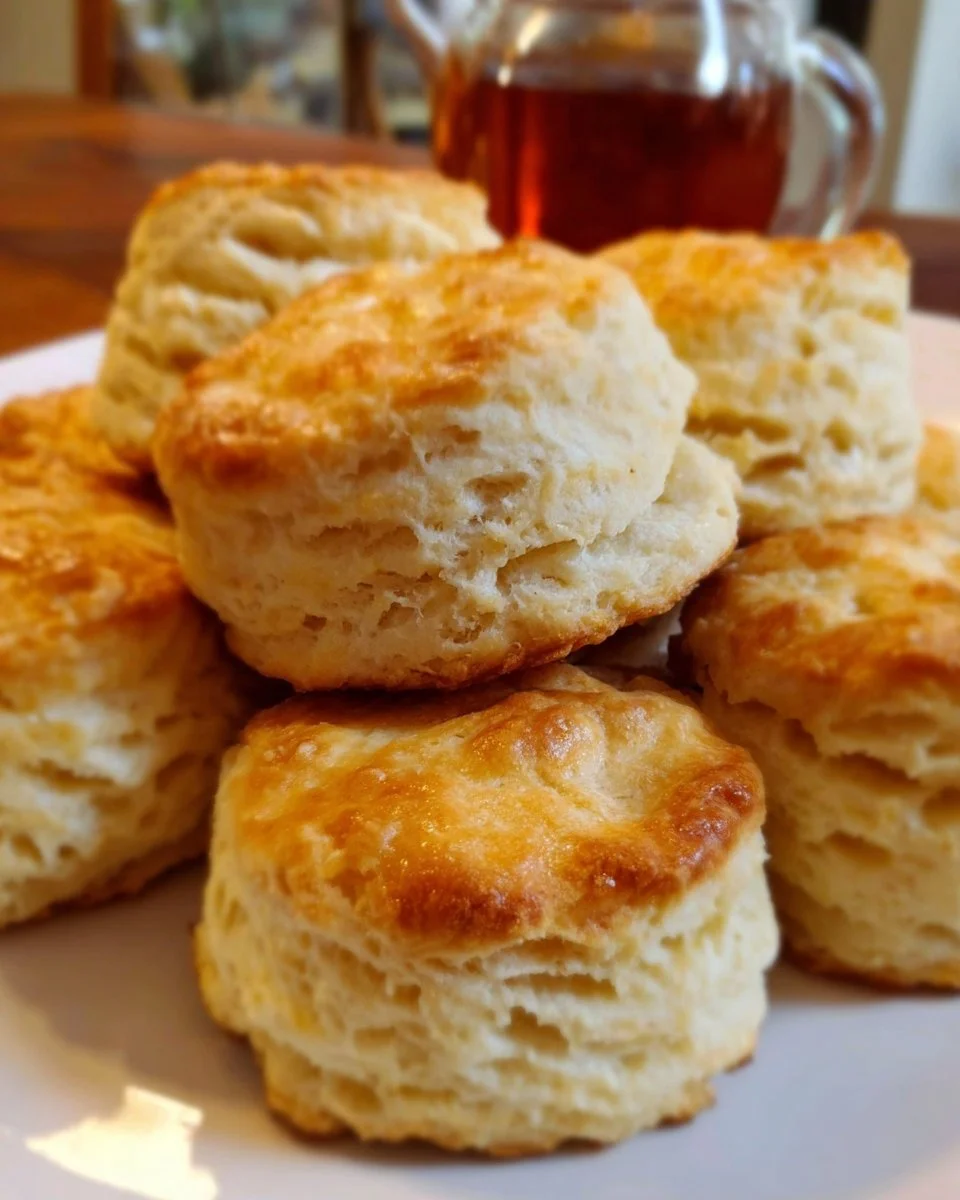
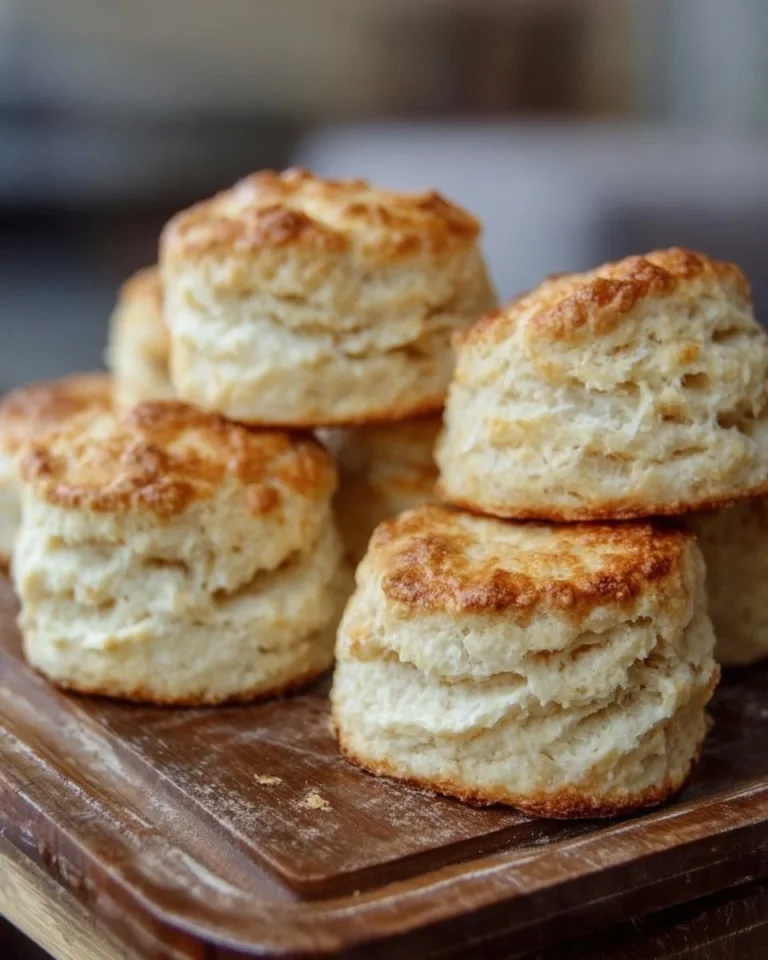
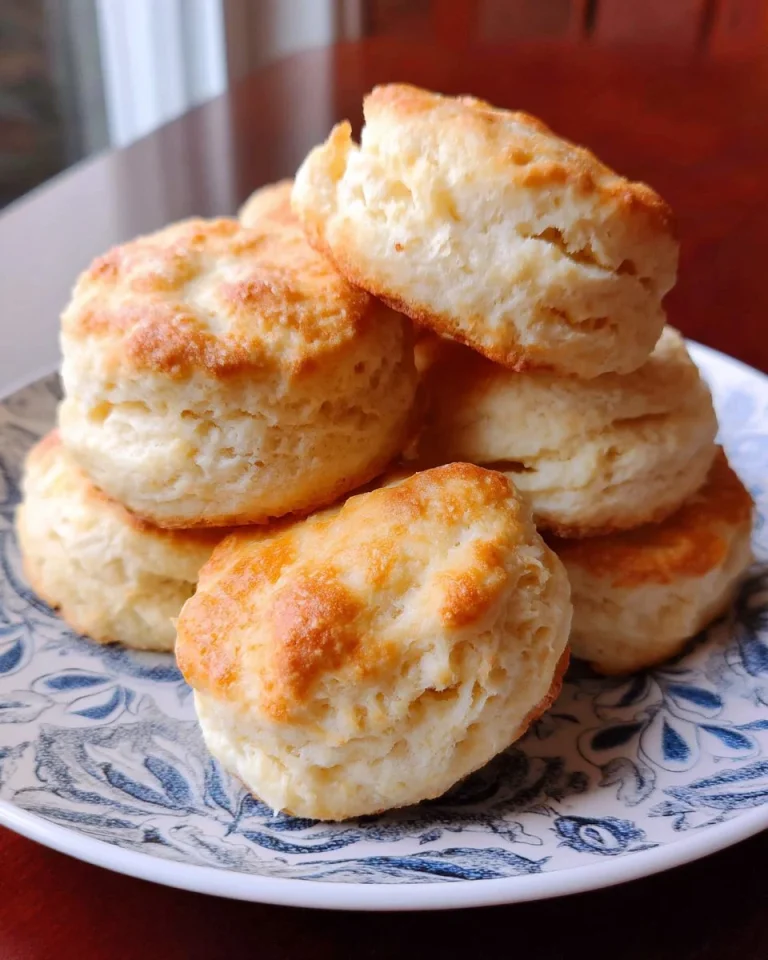
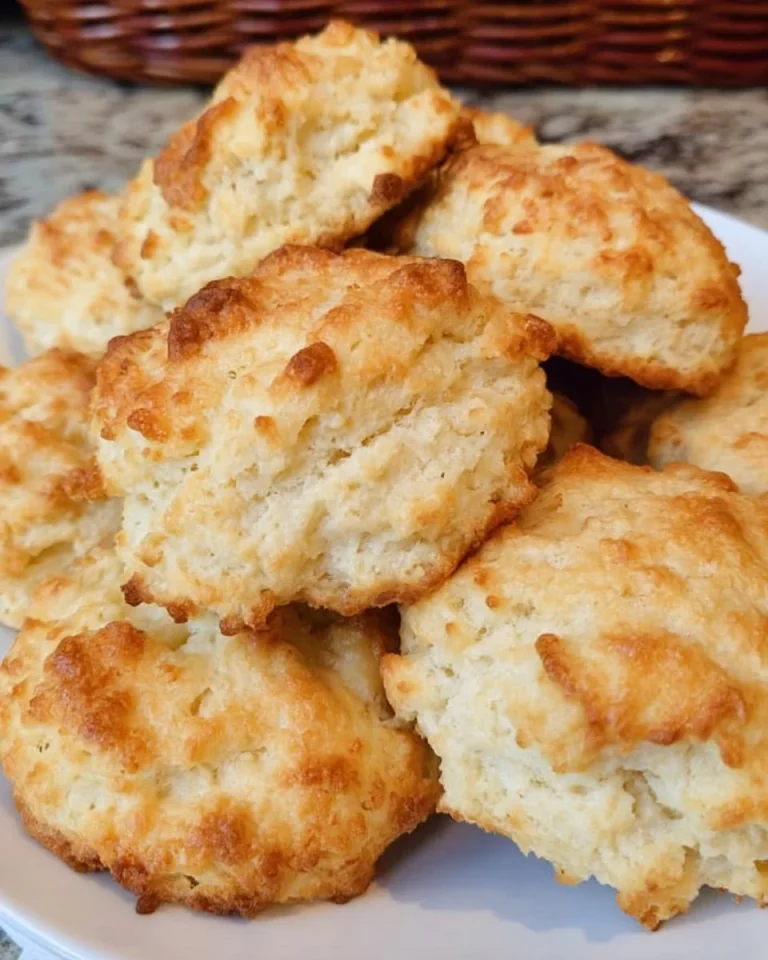
I grew up with a recipe like this — quick, buttery biscuits that come together in under 30 minutes and still taste like something special. These baking powder biscuits use frozen butter grated into the flour to create flaky layers without rolling out a tons of work. They’re perfect for a busy weekend brunch, a weeknight soup topper, or a last-minute side for a holiday meal.
What makes this recipe special
This is a fast, no-yeast biscuit that relies on baking powder for lift, so you get tender, flaky biscuits with minimal fuss. A few things that make it worth choosing:
- Speed: No rising time — mix, fold, cut, and bake in about half an hour.
- Texture: Grating frozen butter gives small, cold pieces that steam in the oven and create real layers.
- Budget-friendly: Basic pantry ingredients and an economical result (ingredient costs shown below).
- Versatility: Sweet or savory finishes, easy to adapt to buttermilk, cheese, or herbs.
“Crisp edges, soft centers, and buttery layers — exactly what I want next to a bowl of chili.” — a quick review from a family brunch
The cooking process explained
Overview so you know what to expect:
- Mix the dry ingredients.
- Incorporate frozen butter (grated) so it stays cold and creates pockets.
- Add milk just until the dough comes together — don’t overhydrate.
- Press, fold several times to build layers, then roll and cut.
- Bake at high heat for quick rise and golden edges.
This method focuses on keeping butter cold and minimizing handling to preserve flakiness.
What you’ll need
- 2 cups all-purpose flour — $0.26
- 1 tablespoon baking powder — $0.15
- 1 teaspoon salt — $0.01
- 1 tablespoon granulated sugar — $0.01
- ½ cup salted butter, frozen (grate it) — $0.99
- ¾ cup milk — $0.20
Notes and substitutions:
- Buttermilk (¾ cup) can replace milk for tang and extra tenderness; reduce baking powder to 2 teaspoons if using a very acidic buttermilk.
- For dairy-free: use a vegan butter and unsweetened plant milk mixed with 1 teaspoon lemon juice or vinegar to mimic buttermilk.
- For whole-wheat: swap up to half the flour for whole-wheat pastry flour for a nuttier flavor (expect a slightly denser biscuit).
Step-by-step instructions
- Preheat the oven to 425°F (220°C). Line a large baking sheet with parchment paper.
- In a large bowl, whisk together the flour, baking powder, salt, and sugar until evenly combined.
- Grate the frozen butter on the large holes of a box grater. Work quickly so the butter stays cold.
- Add the grated butter to the dry mixture. Use a fork (or a pastry cutter) to toss and press the butter into the flour until the mixture looks crumbly with pea-sized butter pieces.
- Pour in the milk gradually, stirring with a fork. Stop when the dough just comes together and pulls away from the sides — you may not need the full ¾ cup. The dough should be slightly shaggy and slightly sticky.
- Turn the dough out onto a lightly floured surface. Press it to about ¼ inch thick.
- Fold the dough in half, press again to ¼ inch, and repeat at least 3–4 times. These folds create the layers that make the biscuits flaky.
- After folding, roll or pat the dough to ½ inch thickness. Use a 2.5–3 inch round cutter to stamp out biscuits. Push straight down; don’t twist the cutter. Reroll scraps as needed. You should get roughly 8–10 biscuits depending on cutter size.
- Brush off any excess flour from the tops and place biscuits evenly spaced on the prepared baking sheet.
- Bake 13–15 minutes, until the edges are just beginning to turn golden. Rotate the pan once if your oven has hot spots.
- Remove from oven and brush the tops with a little melted butter for shine and flavor. Serve warm.
Serving suggestions
- Best ways to enjoy:
- Split and smear with butter and honey for a simple sweet treat.
- Serve alongside fried or scrambled eggs and sausage for brunch.
- Use as a base for shortcake with fresh berries and whipped cream.
- Pair with hearty stews, chili, or pot roast to sop up juices.
- Plating ideas:
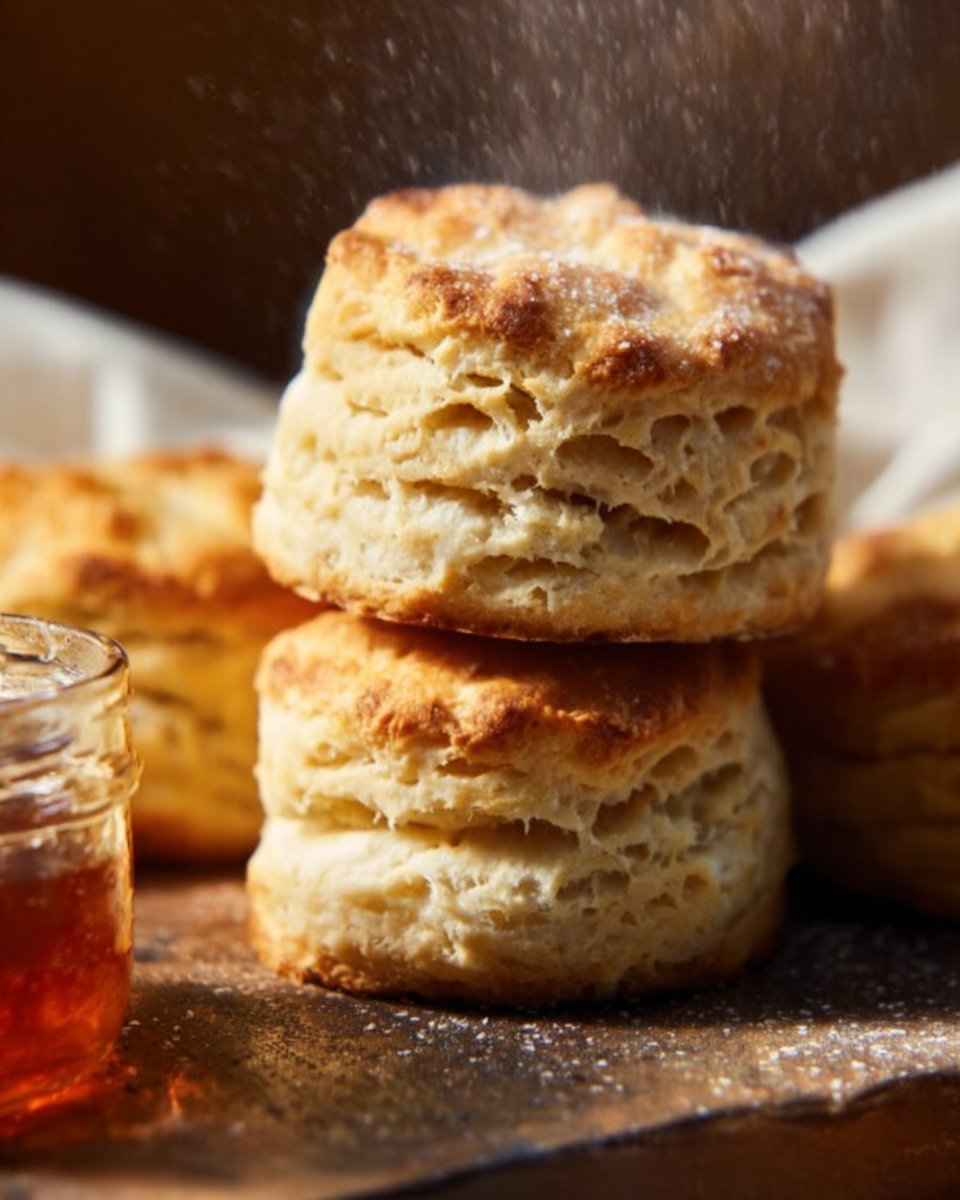
- Stack two biscuits, place a dollop of herb butter on top, and sprinkle flaky sea salt for a rustic café look.
- For a brunch board, arrange biscuits with jam, honey, sliced fruit, and soft cheeses.
Storage and reheating tips
- At room temperature: Store cooled biscuits in an airtight container for up to 24 hours to keep edges from softening too much.
- Refrigeration: Keep in the fridge up to 3 days in a sealed container. Reheat as below.
- Freezing: Wrap cooled biscuits individually in plastic wrap and place in a freezer bag for up to 2 months. Thaw at room temperature or reheat from frozen.
- Reheating: For best texture, reheat in a 350°F (175°C) oven for 8–10 minutes (from thawed) or 12–15 minutes (from frozen). Microwave for 20–30 seconds for convenience, but the oven gives the best crisp edges.
- Food safety: Do not leave biscuits out more than 2 hours if they contain perishable toppings (butter is fine, but avoid cream-based toppings at room temp).
Pro chef tips
- Keep the butter very cold. Frozen and grated is easier and faster than cutting cubes and yields better layers.
- Don’t twist the cutter when cutting biscuits — twisting seals the edges and prevents rise.
- Minimal handling preserves air pockets. Stop once dough holds together.
- If the dough feels sticky, chill for 5–10 minutes before rolling. Cold dough cuts cleaner and rises higher.
- Use a scale for consistent results: 2 cups flour ≈ 250 g. Slight flour variations can change dough hydration.
Creative twists
- Cheddar & chive biscuits: Fold ¾ cup shredded cheddar and 2 tablespoons chopped chives into the dough. Reduce salt slightly.
- Garlic-herb: Add 1 teaspoon garlic powder and 2 tablespoons chopped fresh herbs (rosemary, thyme). Brush with garlic butter after baking.
- Sweet honey biscuits: Replace sugar with 2 tablespoons honey and brush tops with honey-butter.
- Buttermilk biscuits: Use ¾ cup buttermilk instead of milk for a tangier crumb and slightly softer texture. Reduce baking powder to 2 teaspoons if using very thick cultured buttermilk.
- Vegan: Use solid vegan butter kept frozen and ¾ cup unsweetened almond or soy milk + 1 tsp lemon juice.
Your questions answered
Q: Can I use melted butter instead of frozen?
A: No — melted butter will make the dough denser and eliminate flaky layers. Cold, solid butter (preferably grated or cut into small pieces) is essential for lift and flakiness.
Q: How many biscuits does this recipe make?
A: Expect about 8–10 biscuits using a 2.5–3 inch cutter. Smaller cutters will yield more biscuits.
Q: Why not overwork the dough?
A: Overworking develops gluten and toughens the biscuits. Handle the dough gently and fold only a few times to build layers without making it chewy.
Q: Can I make the dough ahead?
A: Yes. Mix through shaping rounds, then freeze the unbaked biscuits on a tray until firm. Transfer to a bag and freeze up to 2 months. Bake from frozen; add a few extra minutes to the baking time.
Q: Can I make these gluten-free?
A: Use a cup-for-cup gluten-free baking flour blend that contains xanthan gum or add 1/2 teaspoon xanthan gum to maintain structure. Results may be slightly crumblier but still tasty.
Conclusion
These baking powder biscuits are a reliable, quick way to get golden, flaky biscuits without yeast or long waits. If you want variations or a different technique walkthrough, this recipe pairs well with other biscuit guides — try this detailed tutorial for a similar approach at Easy Homemade Biscuits – Sugar Spun Run, or compare with a classic take on baking powder biscuits like Betty Crocker’s Baking Powder Biscuits for additional tips and tweaks.
Enjoy them hot, and don’t be afraid to experiment with cheese, herbs, or a touch of sweetness.

Baking Powder Biscuits
Ingredients
Method
- Preheat the oven to 425°F (220°C). Line a large baking sheet with parchment paper.
- In a large bowl, whisk together the flour, baking powder, salt, and sugar until evenly combined.
- Grate the frozen butter on the large holes of a box grater. Work quickly so the butter stays cold.
- Add the grated butter to the dry mixture. Use a fork (or a pastry cutter) to toss and press the butter into the flour until the mixture looks crumbly with pea-sized butter pieces.
- Pour in the milk gradually, stirring with a fork. Stop when the dough just comes together and pulls away from the sides — you may not need the full amount.
- Turn the dough out onto a lightly floured surface. Press it to about ¼ inch thick.
- Fold the dough in half, press again to ¼ inch, and repeat at least 3–4 times to create layers.
- Roll or pat the dough to ½ inch thickness. Use a 2.5–3 inch round cutter to stamp out biscuits. Reroll scraps as needed.
- Brush off any excess flour from the tops and place biscuits evenly spaced on the prepared baking sheet.
- Bake for 13–15 minutes, until the edges are just beginning to turn golden. Rotate the pan once if your oven has hot spots.
- Remove from oven and brush the tops with a little melted butter for shine and flavor. Serve warm.