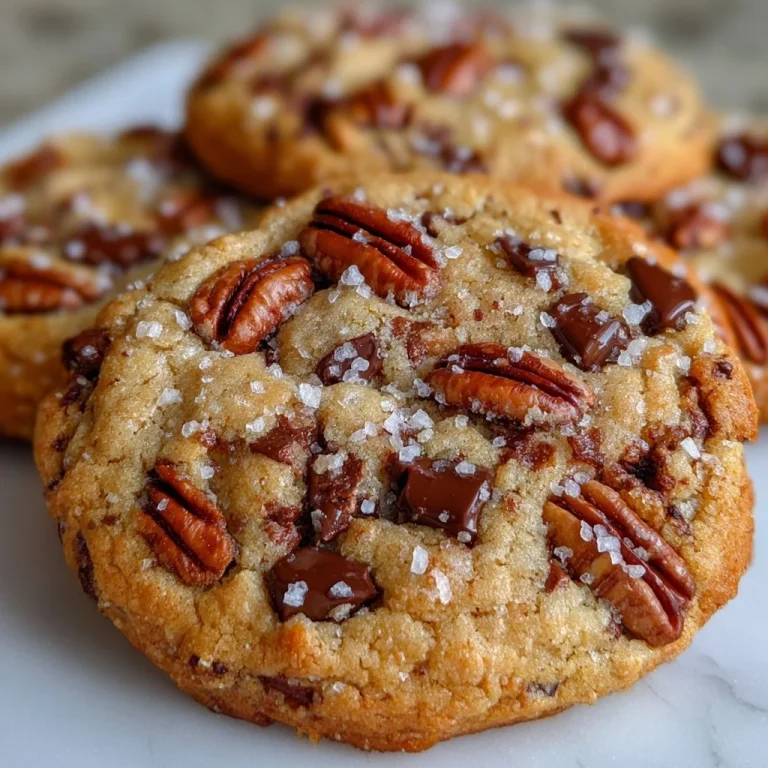
Coconut Oatmeal Cookies

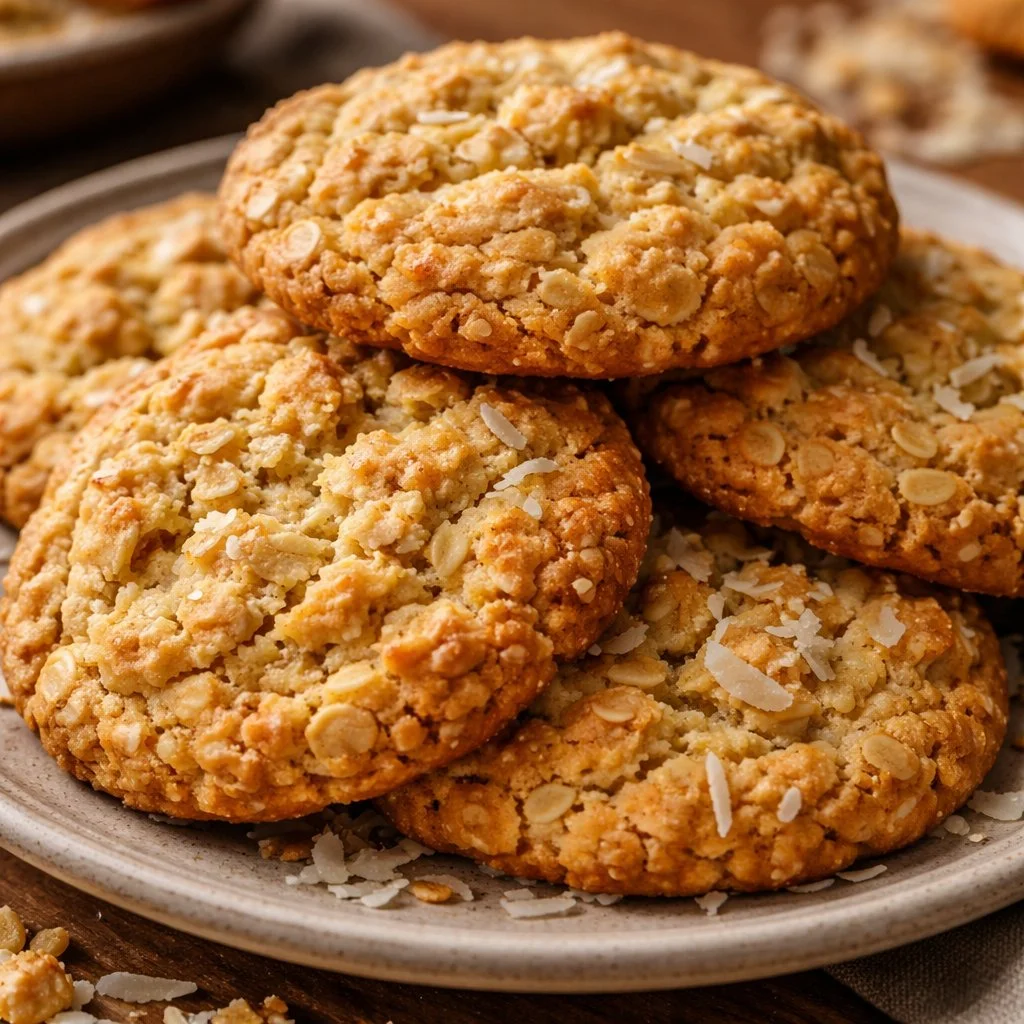
I grew up with a tin of chewy, coconut-studded oatmeal cookies on the counter—comfort food that doubles as a quick bake for school lunches, potlucks, or late-night snacking. These Coconut Oatmeal Cookies are simple to pull together, use pantry-friendly ingredients, and have a nostalgic homemade flavor: toasty coconut, brown-sugar depth, and a tender, slightly chewy crumb. If you like straightforward cookie recipes, this is one to keep in your rotation alongside other easy favorites like the 3-ingredient sugar cookies.
Why you’ll love this dish
These cookies hit the sweet spot between chewy and tender without any exotic techniques. You don’t need a stand mixer (though one helps), and the ingredient list is forgiving—perfect for busy weeknights, cookie exchanges, or when kids want to help. They’re also budget-friendly: common staples like brown sugar, oats, and shredded coconut deliver big flavor for little cost. Make a batch for a casual brunch, tuck them into lunchboxes, or bring them to a holiday cookie swap.
“Warm from the oven with a glass of milk—exactly the kind of cookie my family keeps asking for.” — a quick review from my test batch
How this recipe comes together
Before you start, know what to expect. First you’ll cream the shortening and sugars until fluffy. Then beaten eggs and vanilla add structure and flavor. Dry leaveners (baking powder and baking soda) get mixed in, and finally the flour, oats, and coconut are folded in for a rustic dough. Scoop generous tablespoons onto a sheet and bake for about 15 minutes, rotating pans for even browning. Cooling on the baking sheet helps them finish and stay tender.
Gather these items
Key ingredients
- 1 cup shredded coconut (unsweetened or sweetened; unsweetened keeps sweetness controlled)
- 1 cup packed brown sugar (light or dark—dark gives more molasses flavor)
- 1 cup Crisco shortening (see substitutions below)
- 1 1/2 cups old-fashioned oatmeal (rolled oats; do not use instant for best texture)
- 3 large eggs, beaten
- 1 tsp baking powder
- 1 tsp baking soda
- 1 tsp salt
- 1 tsp vanilla extract
- 2 cups unbleached all-purpose flour
- 1 cup granulated sugar
Notes and substitutions inline:
- Shortening: For a more buttery flavor, swap half or all shortening for unsalted butter (same weight). Using coconut oil will add coconut aroma but can alter spread.
- Oats: Old-fashioned rolled oats give chew and structure. Quick oats will work but yield a softer, less chewy cookie.
- Coconut: Shredded or desiccated both work—use what you have.
Directions to follow
- Preheat the oven to 375°F and line baking sheets with parchment if you prefer easier cleanup.
- In a large bowl, cream the Crisco shortening with brown sugar and granulated sugar until the mixture looks smooth and slightly fluffy—about 2–3 minutes by hand or 1–2 minutes with a mixer.
- Add the beaten eggs and vanilla. Stir briefly until the mixture is even. Don’t overmix.
- Sprinkle in the baking powder, baking soda, and salt, mixing just until they disappear into the batter.
- Fold in the flour, shredded coconut, and rolled oats with a wooden spoon until just combined. The dough should be thick and slightly sticky.
- Use a heaping tablespoon to scoop dough and drop mounds onto ungreased baking sheets about 2 inches apart so cookies have room to expand.
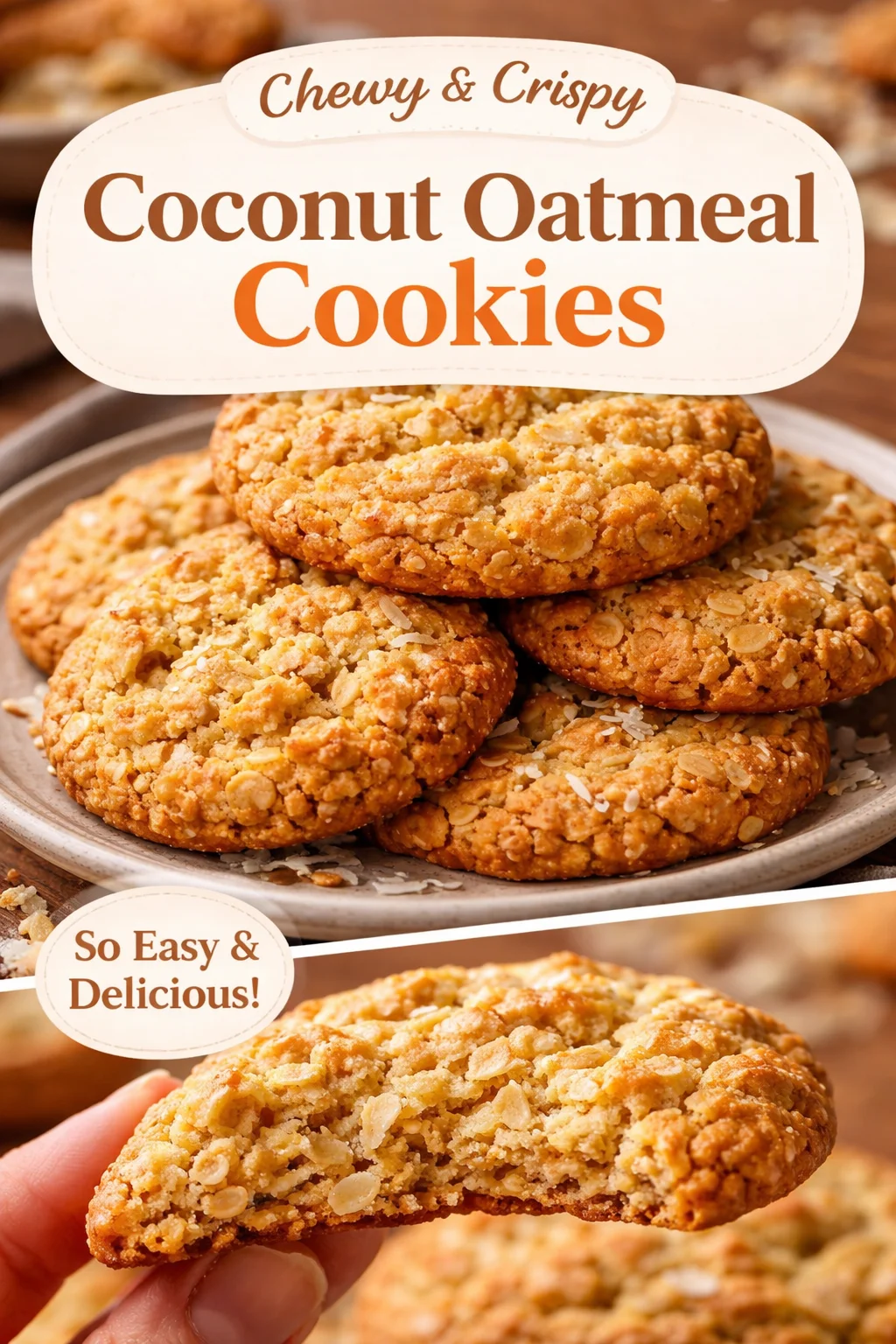
- Bake for 15 minutes, and rotate the sheets every 6 minutes to ensure even browning. Cookies should be lightly golden at the edges but still slightly soft in the center.
- Let the cookies cool completely on the baking sheet so they set up and stay chewy. Transfer to a rack once cooled.
What to serve it with
These cookies are great with cold milk, a cup of black coffee, or a creamy chai latte. For a dessert plate, serve warm cookies with a scoop of vanilla ice cream and a drizzle of honey for simple decadence. If you’re packing them for brunch, pair with fruit salad or yogurt cups. For holiday platters, mix them with shortbreads and butter cookies so guests can sample different textures.
How to store & freeze
Store cooled cookies in an airtight container at room temperature for up to 4 days. For longer keeping, refrigerate for up to 1 week, though refrigeration can firm them slightly. To freeze, layer cookies in an airtight container with parchment between layers and freeze up to 3 months. Thaw at room temperature or warm gently in a 300°F oven for 5–7 minutes. Always store baked goods away from direct sunlight and keep containers sealed to prevent staling.
Tricks for success
- Measure flour correctly: spoon flour into the measuring cup and level with a knife—too much flour yields dry cookies.
- Don’t overmix once the flour is in; overworking the dough creates toughness.
- If you prefer chewier cookies, underbake by a minute or two and allow residual heat to finish them on the sheet.
- Use room-temperature eggs for better emulsion and even mixing.
- For a richer finish or crisper edges, replace up to half the shortening with unsalted butter. For more inspiration on simple buttery cookies, check out this 3-ingredient shortbread recipe.
Creative twists
- Chocolate coconut: Fold in 1 cup of chocolate chips or chunks.
- Nutty swap: Add 1/2 cup chopped pecans or macadamia nuts for crunch.
- Tropical: Stir in 1/3 cup dried pineapple bits and a pinch of flaky sea salt on top.
- Vegan version: Replace eggs with a flax “egg” (1 tbsp ground flax + 3 tbsp water per egg), use coconut oil or vegan shortening, and check that added ingredients are vegan.
- Gluten-free: Substitute a 1:1 gluten-free flour blend designed for cookies and let the dough rest 10 minutes before baking.
Your questions answered
Q: Can I substitute butter for the Crisco shortening?
A: Yes. Swap straight across for the same volume (1 cup) or use half butter/half shortening. Butter adds flavor and may increase spread—chill dough slightly if needed.
Q: How do I keep the cookies soft instead of crunchy?
A: Remove them from the oven when centers still look slightly underbaked. Cool on the baking sheet so carryover heat finishes them. Store with a slice of bread in the airtight container to retain moisture.
Q: Can I use quick oats instead of old-fashioned oats?
A: You can, but quick oats will give a softer, less textured cookie. Old-fashioned rolled oats are best for chew and structure.
Q: Is the dough safe to handle raw (eggs)?
A: The dough contains raw eggs, so avoid eating raw dough. If you need safe-to-eat raw dough for kids, use pasteurized eggs or an egg substitute.
Q: How long do these keep in the freezer?
A: Up to 3 months in an airtight container. Thaw at room temperature or warm briefly in the oven.
Conclusion
If you want a visual walk-through, this coconut oat version pairs nicely with the step-by-step video-style guide found at EASY Oatmeal Coconut Cookies {+VIDEO} | Lil’ Luna, and for a comparison of quick family cookie methods, see the nostalgic take at My Grandma’s 20-Minute Cookie Recipe Is Still the One I Make on …. Happy baking—these cookies are forgiving, crowd-pleasing, and a great way to use pantry staples.
Coconut Oatmeal Cookies
Ingredients
Method
- Preheat the oven to 375°F and line baking sheets with parchment paper.
- In a large bowl, cream the Crisco shortening with brown sugar and granulated sugar until smooth and fluffy, about 2–3 minutes by hand or 1–2 minutes with a mixer.
- Add the beaten eggs and vanilla and stir briefly until even, being careful not to overmix.
- Sprinkle in the baking powder, baking soda, and salt, mixing just until incorporated.
- Fold in the flour, shredded coconut, and oats until just combined; the dough should be thick and slightly sticky.
- Using a heaping tablespoon, drop mounds of dough onto ungreased baking sheets about 2 inches apart.
- Bake the cookies for 15 minutes, rotating the sheets every 6 minutes for even browning. They should be lightly golden at the edges but still soft in the center.
- Let the cookies cool completely on the baking sheet to finish setting up before transferring them to a rack.