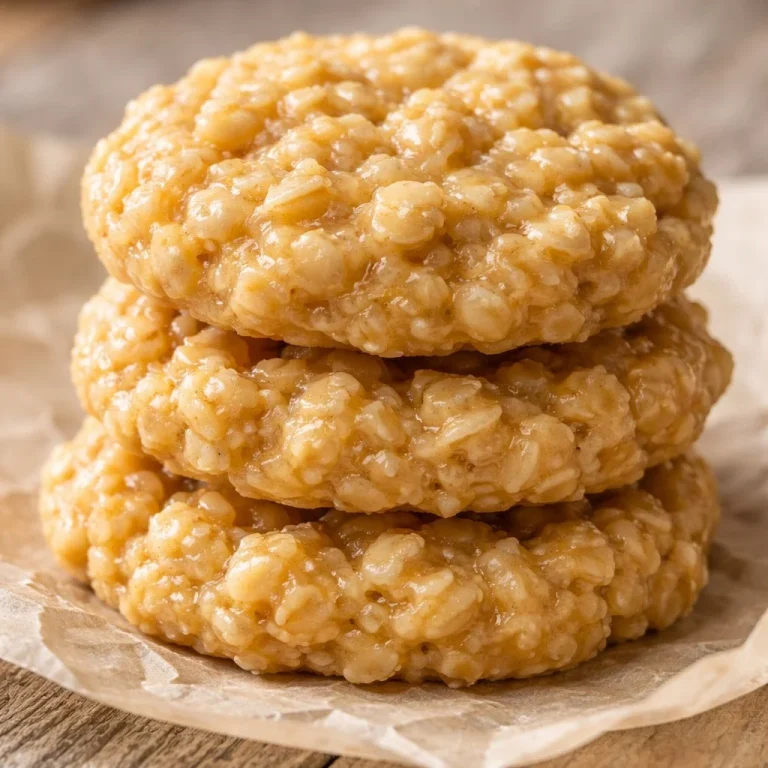
Iced Oatmeal Cookies


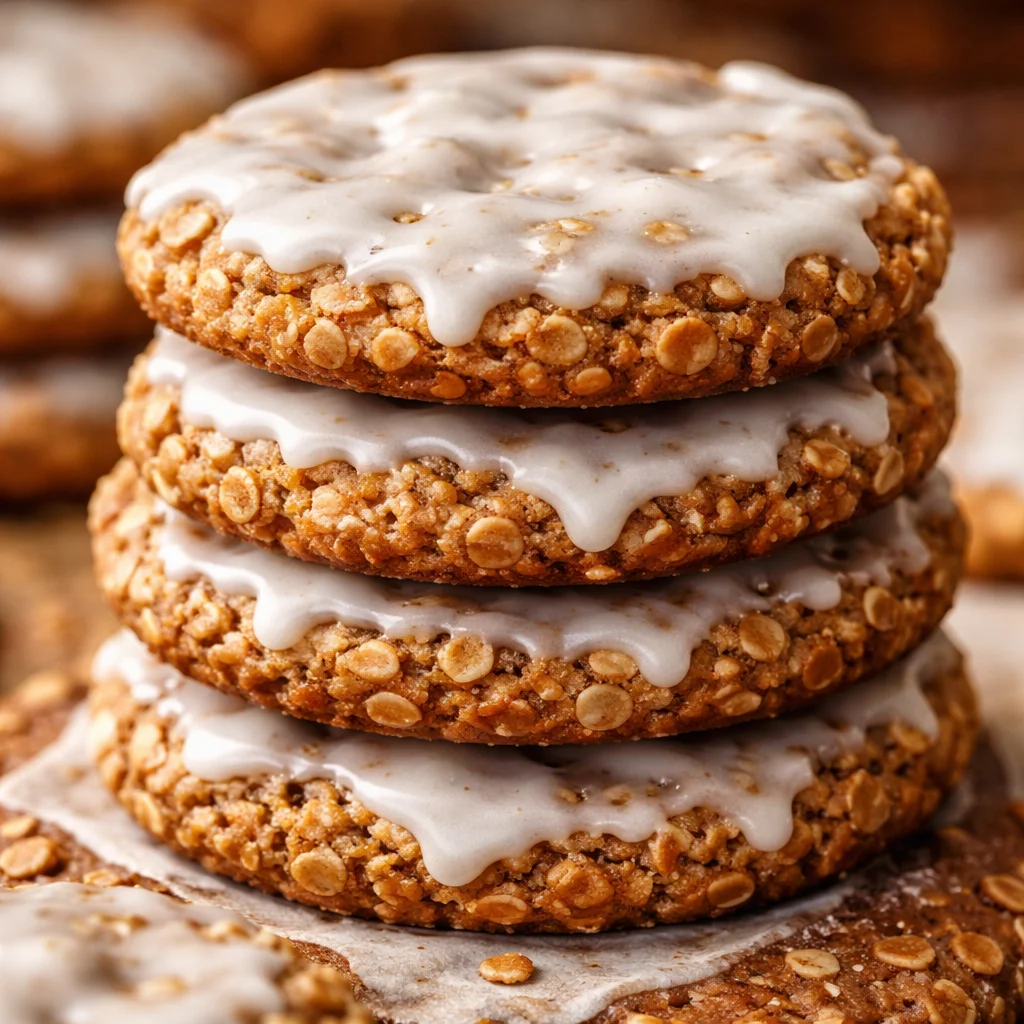
I remember the first time I iced these chewy oatmeal cookies — the glaze dried to a thin crackle while the centers stayed soft, and everyone asked for the recipe. These are simple, old-fashioned iced oatmeal cookies made gluten-free without sacrificing texture: slightly crisp edges, tender middle, and a sweet lemon glaze that brightens every bite. They’re great for school lunches, holiday cookie plates, or a quick weekend bake when you want a classic with minimal fuss.
What makes this recipe special
There’s something comforting about an iced oatmeal cookie that’s both nostalgic and practical. This recipe uses a blend of butter and vegetable shortening so the cookies hold their shape and get a light lift, while quick oats give that familiar chew. Making them gluten-free keeps them accessible for guests with sensitivities without trading away flavor.
“Perfectly chewy centers and a glossy lemon glaze — the cookies disappeared faster than I could plate them.” — a quick review from family testing
These cookies are ideal when you need a dependable make-ahead sweet: the dough is fast to mix, the baking time is short, and the glaze is forgiving.
Step-by-step overview
Before you dive into the hands-on steps, here’s the process in plain terms:
- Whisk the dry ingredients (gluten-free flour, xanthan gum if needed, baking soda, salt, cinnamon).
- Cream butter, shortening, and sugars until light.
- Add the egg and vanilla, then fold in dry mix and oats.
- Drop rounded tablespoons of dough on a lined sheet and bake 9–12 minutes.
- Cool on a rack, then drizzle a simple lemon glaze and let it set.
This overview helps you pace the bake: cooling fully before glazing is the key to a smooth finish.
Gather these items
- 3/4 cup all-purpose gluten-free flour
- 1/2 teaspoon xanthan gum (omit if your GF flour blend already contains it)
- 1/2 teaspoon baking soda
- 1/4 teaspoon kosher salt
- 1/4 teaspoon ground cinnamon
- 3 tablespoons granulated sugar
- 1/2 cup packed light brown sugar
- 1 cup gluten-free quick oats
- 4 tablespoons unsalted butter, at room temperature
- 4 tablespoons non-hydrogenated vegetable shortening, at room temperature
- 1 egg, beaten and at room temperature
- 1 teaspoon pure vanilla extract
For the glaze:
- 1 cup confectioners’ sugar
- 1/2 teaspoon freshly squeezed lemon juice
- 1–2 tablespoons tepid water (to thin)
How to prepare it
- Preheat the oven to 350°F (175°C). Line a baking sheet with parchment paper.
- In a medium bowl, whisk together the gluten-free flour, xanthan gum (if using), baking soda, salt, and cinnamon until even.
- In a separate large bowl, beat the butter, vegetable shortening, granulated sugar, and brown sugar together until light and fluffy — about 2–3 minutes.
- Add the beaten egg and vanilla to the creamed mixture and beat until combined.
- Fold the dry ingredients into the wet ingredients just until incorporated. Stir in the quick oats with a spatula; don’t overmix.
- Drop rounded tablespoons of dough onto the prepared baking sheet, spacing them about 2 inches apart.
- Bake 9–12 minutes, until edges are golden and centers look set but still soft.
- Let the cookies rest on the baking sheet for 2–3 minutes, then transfer to a wire rack to cool completely.
- For the glaze, whisk the confectioners’ sugar with lemon juice and 1 tablespoon tepid water. Add the extra tablespoon if needed to reach a pourable consistency.
- When the cookies are cool, drizzle or brush the glaze over each cookie. Let the glaze set for 15–30 minutes before stacking or storing.
Best ways to enjoy it
- Plate a stack with a hot mug of tea or a cold glass of milk for a classic pairing.
- For brunch, serve alongside plain yogurt and fresh fruit for contrast.
- Turn them into dessert sandwiches: spread a thin layer of lemon curd or cream cheese frosting between two cookies.
- For gift boxes, wrap single layers separated by parchment to protect the glaze.
How to store & freeze
- Room temperature: Keep cookies in an airtight container at room temperature for up to 3–4 days. Place parchment between layers so the glaze doesn’t stick.
- Refrigeration: If your kitchen is warm, chill in an airtight container for up to 7 days. Bring to room temperature before serving for best texture.
- Freezing: Freeze unglazed baked cookies in a single layer on a tray until firm, then transfer to a freezer-safe container for up to 3 months. Thaw, then glaze just before serving. You can also freeze raw dough balls for up to 3 months; bake from frozen with an extra minute or two of time.
- Food safety: Always cool cookies completely before glazing and storing to avoid condensation, which can make them soggy.
Pro chef tips
- Room temperature ingredients mix together more smoothly and trap air better; don’t skip letting the butter and egg come to room temp.
- If your gluten-free flour blend already contains xanthan gum, omit the extra or the texture can become gummy.
- Using a mix of butter and shortening balances flavor and spread: butter gives taste, shortening helps shape and tenderness.
- Don’t overbake — pull the cookies when the edges are golden and centers still look slightly underdone. They’ll finish cooking on the hot sheet.
- For uniform cookies, use a small cookie scoop and gently flatten each mound a hair before baking if you prefer a wider cookie.
Creative twists
- Add-ins: Stir in 1/2 cup raisins, chopped nuts, or cinnamon chips for variety.
- Citrus swap: Use orange juice and zest in the glaze for a sweet, less-tart finish.
- Chocolate: Dip half of each cooled cookie in melted dark chocolate instead of glazing.
- Vegan version: Replace the egg with a flax-egg (1 tbsp ground flax + 3 tbsp water), use vegan butter and a vegan shortening alternative; note texture will vary slightly.
- Regular flour swap: If not gluten-free, use 3/4 cup regular all-purpose flour and omit xanthan gum.

Helpful answers
Q: Can I use old-fashioned rolled oats instead of quick oats?
A: Yes — use old-fashioned oats for more texture. They’ll make the cookie chewier and heartier. If you want a slightly softer cookie, pulse the oats once in a food processor to break them down a bit.
Q: My glaze is too thin or too thick — how do I fix it?
A: If too thin, add a tablespoon more confectioners’ sugar. If too thick, add a teaspoon of tepid water at a time until you reach a pourable glaze.
Q: Do I need to chill the dough?
A: No, this dough can be baked immediately. Chilling for 30 minutes will firm the dough and reduce spread slightly, but it’s optional.
Q: How can I keep the cookies from sticking in a tin?
A: Layer cookies with parchment or wax paper. Let glaze set completely (at least 30 minutes) before stacking to prevent sticking.
Q: Can I make the dough ahead?
A: Yes — refrigerate for up to 48 hours or freeze for up to 3 months. Bake straight from the fridge (add 1–2 minutes) or from frozen (add 2–4 minutes).
Conclusion
If you want more inspiration or variations on iced oatmeal cookies, two trusted recipe references worth a look are Sally’s Baking Addiction’s Iced Oatmeal Cookies and Lil’ Luna’s Old-Fashioned Iced Oatmeal Cookies recipe. Both offer helpful tweaks that pair well with the tips here. Enjoy baking — and don’t be surprised if these become a requested classic in your kitchen.

Iced Oatmeal Cookies
Ingredients
Method
- Preheat the oven to 350°F (175°C) and line a baking sheet with parchment paper.
- In a medium bowl, whisk together the gluten-free flour, xanthan gum (if using), baking soda, salt, and cinnamon until even.
- In a separate large bowl, beat the butter, vegetable shortening, granulated sugar, and brown sugar together until light and fluffy — about 2–3 minutes.
- Add the beaten egg and vanilla to the creamed mixture and beat until combined.
- Fold the dry ingredients into the wet ingredients just until incorporated. Stir in the quick oats with a spatula; avoid overmixing.
- Drop rounded tablespoons of dough onto the prepared baking sheet, spacing them about 2 inches apart.
- Bake for 9–12 minutes, until edges are golden and centers look set but still soft.
- Let the cookies rest on the baking sheet for 2–3 minutes, then transfer to a wire rack to cool completely.
- For the glaze, whisk the confectioners’ sugar with lemon juice and 1 tablespoon of tepid water. Add more water if needed to reach a pourable consistency.
- When the cookies are cool, drizzle or brush the glaze over each cookie and let it set for 15–30 minutes before stacking or storing.