Italian Almond Cookies


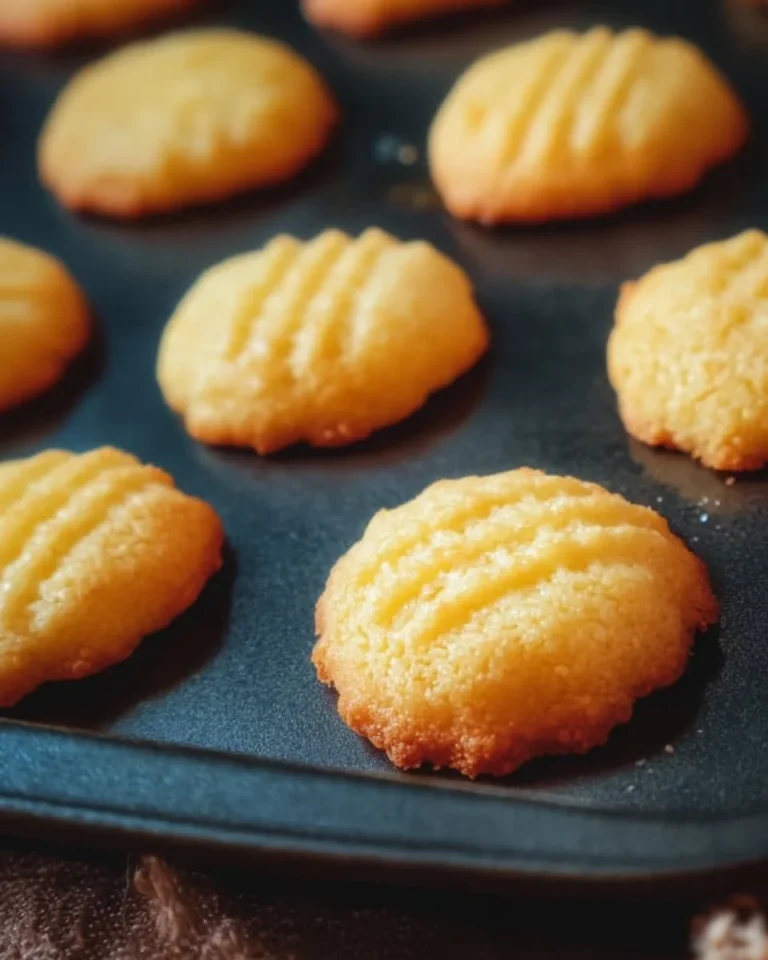
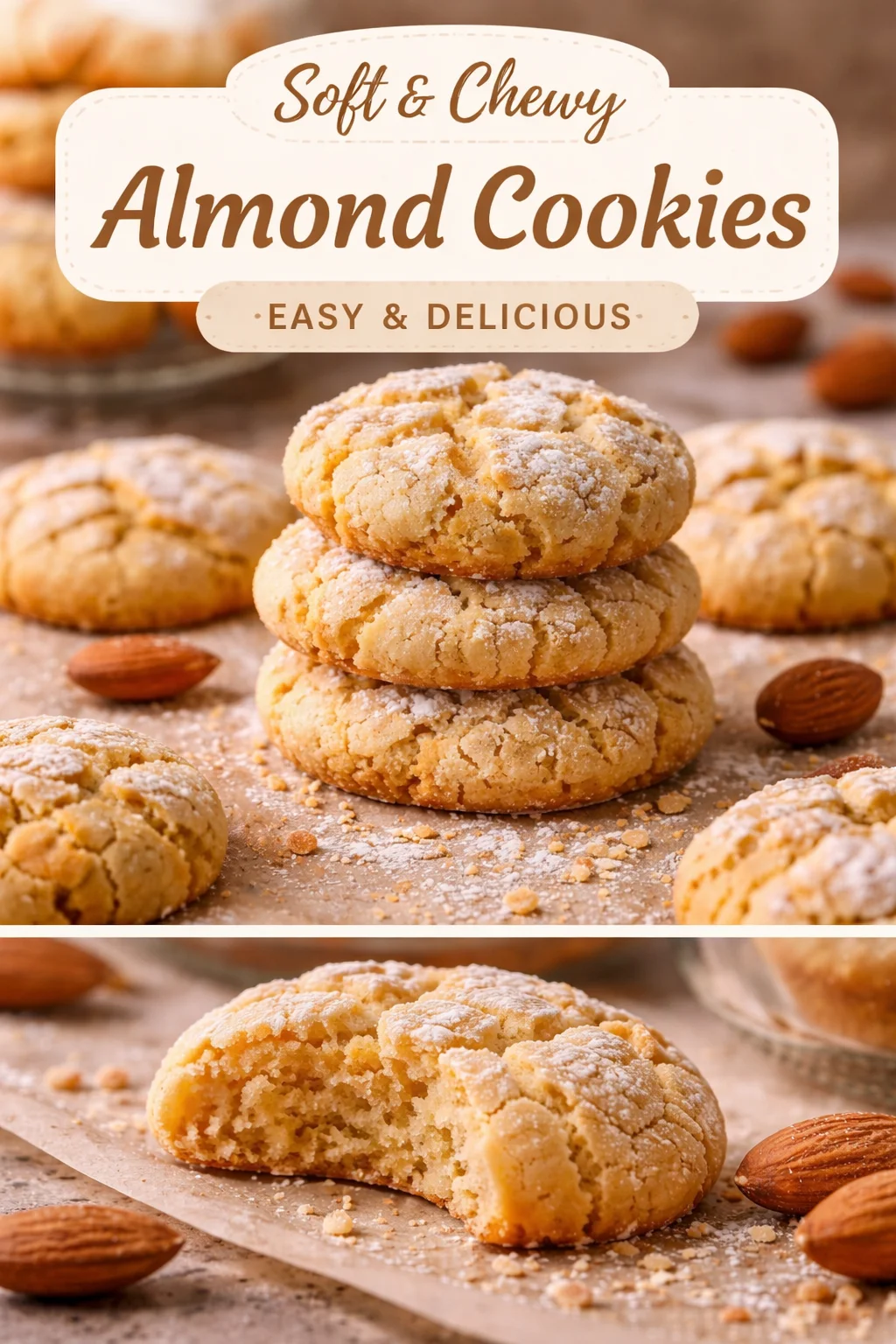
I learned to make these Italian almond cookies on a rainy afternoon and immediately understood why they’re a bakery staple: a crisp, slightly golden exterior giving way to a tender, almond-scented center. They’re simple, elegant, and require only a few pantry ingredients — perfect for last-minute guests, holiday trays, or whenever you crave a small, sophisticated cookie. If you like minimal-ingredient treats, you might also enjoy my take on 3-ingredient sugar cookies, which share the same quick, fuss-free spirit.
Why you’ll love this dish
These cookies balance texture and flavor in a way that feels both rustic and refined. They’re naturally gluten-free when made with blanched almond flour, quick to mix (no creaming or chilling), and kid-friendly — the gently sweet almond flavor appeals to adults and kids alike. They’re ideal for holiday cookie swaps, an afternoon coffee break, or packing into lunchboxes because they travel well and don’t require refrigeration for short-term storage.
"Light, chewy inside, and impossibly easy — these almond cookies became my go-to cookie when I needed something impressive without the fuss."
I sometimes pair them on a cookie tray with chewier treats like brown sugar pop tart cookies to offer contrasting textures.
Step-by-step overview
Quick preview so you know the flow:
- Whip egg whites to glossy, stiff peaks.
- Fold in sugar, almond flour, and extract into a light, airy batter.
- Portion into small balls, bake until edges are golden and tops set.
- Cool briefly on the sheet, then finish cooling on a rack.
This recipe is mostly about technique: whipping to the right peak, gentle folding to preserve air, and watching the bake time so centers stay tender.
What you’ll need
- 2 egg whites (room temperature helps volume)
- 1 cup granulated sugar (fine cane sugar or caster sugar works well)
- 1 cup almond flour (finely ground; blanched almond flour gives the best texture)
- 1 teaspoon almond extract (adjust to taste; use vanilla if you prefer)
Notes and substitutions:
- Caster sugar dissolves faster into the whites and gives a silkier meringue; granulated is fine, but pulse it briefly in a food processor if your sugar grains are very large.
- Almond flour: measure by spooning into the cup and leveling — don’t pack.
- For a dairy-free, nut-free swap, try hazelnut flour or a carefully tested alternative; note the flavor/texture will change.
Directions to follow
- Preheat the oven to 350°F (175°C). Line a baking sheet with parchment paper or a silicone mat.
- Use a clean, dry mixing bowl and whisk attachment. Beat the room-temperature egg whites until they form soft peaks. This gives a stable base.
- Gradually add the sugar while continuing to beat. Stop when the mixture holds stiff, glossy peaks and the sugar has largely dissolved. The meringue should look shiny and hold its shape.
- Fold in the almond flour and almond extract gently with a rubber spatula. Use a few deep, sweeping folds — you want a uniform, airy batter, not deflated.
- Scoop tablespoons of batter (about 1 Tbsp each) and drop onto the prepared sheet, spacing them 1–1½ inches apart. Wetting the back of the spoon will help release sticky batter.
- Bake for 15–20 minutes. Watch for the edges to go lightly golden and the top to set. The centers should still feel slightly tender when warm.
- Let the cookies cool on the sheet for 3–5 minutes to firm up, then transfer to a wire rack to cool completely.
These short, active steps keep the instructions crisp and easy to follow while emphasizing the key moments where attention matters.
Best ways to enjoy it
Serve them with a steaming espresso or a cup of tea for an Italian-style snack. For dessert plates, arrange two or three with a smear of dark chocolate or a small dollop of orange marmalade for contrast. They also pair beautifully with ricotta and fresh berries for a light brunch offering. For a portable treat, layer them between parchment in a tin — they hold shape nicely without icing.
I sometimes serve them with more decadent cookies like brown sugar pop tart cookies to give guests a range of chew and crunch.
Storage and reheating tips
- At room temperature: store in an airtight container for up to 4–5 days. Place parchment between layers to prevent sticking.
- Refrigeration: not necessary and can introduce humidity; only refrigerate if you live in a very hot, humid climate, and even then expect slight softening.
- Freezing: freeze baked cookies in a single layer on a tray, then transfer to a sealed container for up to 2 months. Thaw at room temperature before serving.
- Reheating: warm in a 300°F (150°C) oven for 3–5 minutes to refresh the edges; avoid microwaving, which makes them rubbery.
Always use clean utensils when handling stored cookies to avoid contamination.
Pro chef tips
- Room-temperature egg whites whip more easily and reach greater volume than cold whites. Remove them from the fridge 20–30 minutes before starting.
- Use a metal or glass bowl for whipping; plastic can retain grease and interfere with meringue formation.
- If your meringue looks grainy after adding sugar, continue beating until smooth — a few extra seconds can make a big difference.
- Folding: cut through the center, lift and fold over, then turn the bowl. This preserves the trapped air. Overmixing will yield dense cookies.
- Uniform cookies: use a small cookie scoop for even baking.
- Watch the oven during the last 5 minutes; a minute or two can change the texture from tender to dry.
Creative twists
- Chocolate-dipped: dip half the cooled cookie into melted dark chocolate and let set.
- Citrus almond: fold in 1 tsp lemon or orange zest for brightness.
- Ricciarelli-style: sprinkle a little powdered sugar on top before serving for a more classic look.
- Nut swaps: try pistachio or hazelnut flour for a different flavor profile (adjust sweetness to taste).
- Vegan alternative: replace egg whites with aquafaba (chickpea brine) and whip similarly, though timing and texture may vary.

Common questions
Q: Can I use whole eggs instead of egg whites?
A: No — the structure of these cookies depends on whipped egg whites. Using whole eggs will produce a denser, cakier result rather than the light, meringue-like texture you want.
Q: Why do my cookies spread or flatten?
A: That usually means the whites weren’t whipped to stiff peaks, the batter was over-folded, or your almond flour is too coarse or packed. Ensure proper whipping and gentle folding, and use finely ground blanched almond flour.
Q: Are these cookies gluten-free?
A: Yes, when made with almond flour (and if all other ingredients are certified gluten-free), these are naturally gluten-free and suitable for many people avoiding gluten.
Q: Can I make the batter ahead of time?
A: It’s best to bake immediately after mixing — the whipped structure begins to weaken over time. If you must delay, keep the batter cool and bake within an hour for best results.
Conclusion
Simple, elegant, and reliably delicious, these Italian almond cookies are a small-bite classic that’s easy to make at home. For a chewy Ricciarelli-style approach and variations on the almond cookie theme, consult Ricciarelli: Chewy Italian Almond Cookies – Pinch me, I’m eating. If you want another clear, step-by-step Italian almond cookie recipe to compare techniques, see Italian Almond Cookies | Easy Wholesome.
Italian Almond Cookies
Ingredients
Method
- Preheat the oven to 350°F (175°C). Line a baking sheet with parchment paper or a silicone mat.
- Use a clean, dry mixing bowl and whisk attachment. Beat the room-temperature egg whites until they form soft peaks.
- Gradually add the sugar while continuing to beat. Stop when the mixture holds stiff, glossy peaks and the sugar has largely dissolved.
- Fold in the almond flour and almond extract gently with a rubber spatula until you form a uniform, airy batter.
- Scoop tablespoons of batter (about 1 Tbsp each) onto the prepared sheet, spacing them 1–1½ inches apart.
- Bake for 15–20 minutes until the edges are lightly golden and the tops are set. The centers should still feel slightly tender.
- Let the cookies cool on the sheet for 3–5 minutes to firm up, then transfer to a wire rack to cool completely.