Lemon Lavender Morning Buns

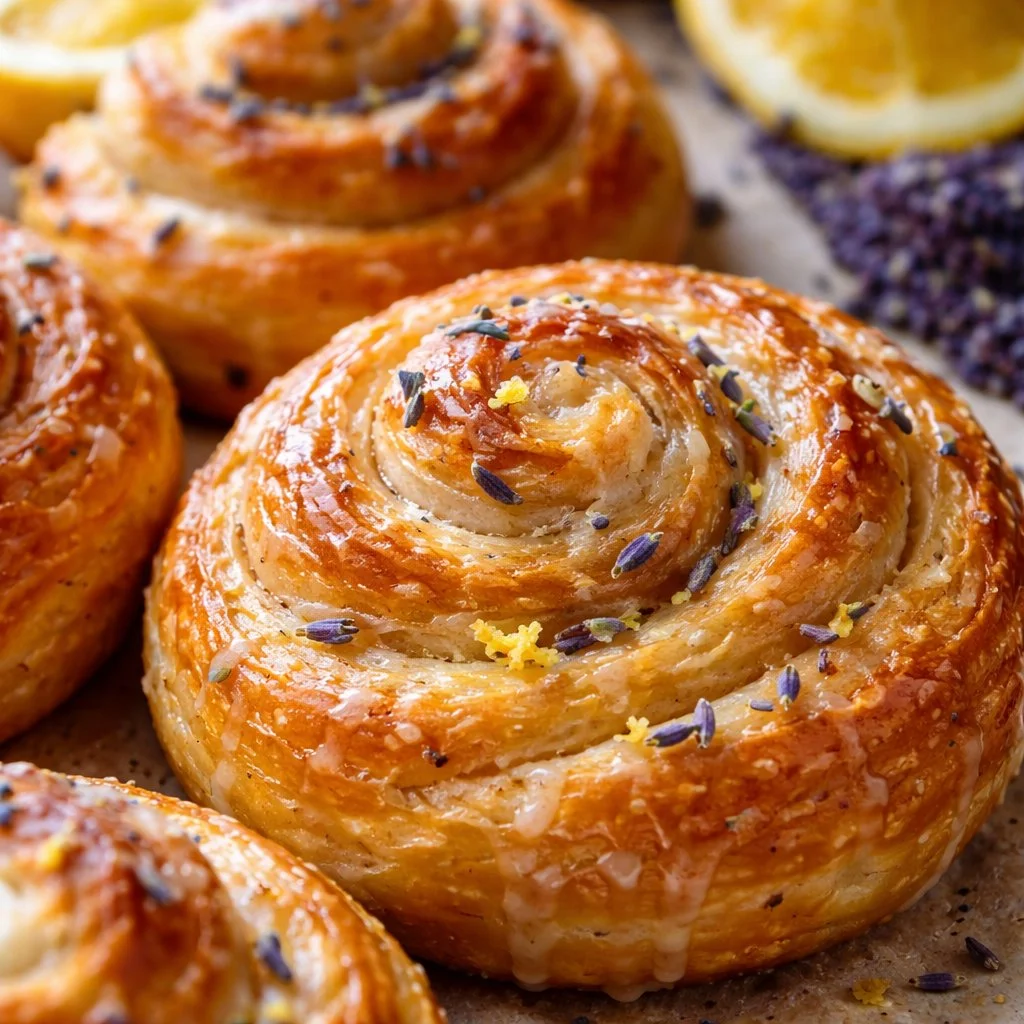
I remember the first time I baked these lemon lavender morning buns — the kitchen filled with a soft citrus perfume balanced by a floral whisper that somehow felt both homey and special-occasion. These rolls are light, subtly sweet, and scented with lemon and culinary lavender, making them perfect for weekend brunches, bridal showers, or any morning you want something a little elegant without fuss. If you love bright lemon flavors in unexpected places, they’re a lovely companion to a savory bowl like Greek avgolemono soup for a playful brunch menu.
Why you’ll love this dish
Lemon Lavender Morning Buns bring together simple bakery techniques and bold flavor in a compact, easy-to-share format. They’re:
- Fast-ish: Active hands-on time is under an hour; most time is passive rising.
- Budget-friendly: Pantry staples plus a bit of culinary lavender and lemon zest.
- Crowd-pleasing: The lemon keeps them bright while the lavender adds a grown-up floral note that’s subtle, not perfumey.
"Light, fragrant, and slightly addictive — these buns made our Sunday brunch feel like a small celebration." — a regular tasting note from morning bakers
These buns are perfect for a relaxed brunch, a tea party spread, or making ahead for quick breakfasts. If you like swirls and twists in sweet breads, you might also enjoy the technique in this braided cinnamon bun recipe that uses similar rolling and shaping ideas.
Step-by-step overview
This recipe follows a straightforward enriched-dough method with two rises. Expect these big-picture steps:
- Bloom yeast in warm milk to confirm activity.
- Mix the dry ingredients with lemon zest and crushed culinary lavender.
- Add melted butter and egg, form a soft dough, and knead briefly.
- Rise once until doubled.
- Roll out, add softened butter, sugar, and lemon juice, then roll and cut.
- Second rise in the pan, then bake until golden.
- Glaze with a lemon-powdered sugar drizzle while warm.
This overview helps you pace the work: while the dough rises, prep the butter for spreading and crush your lavender so its oils bloom into the dough.
What you’ll need
Key ingredients
- 2 cups all-purpose flour
- 1/4 cup sugar (plus extra for sprinkling)
- 1 teaspoon salt
- 1 packet active dry yeast (≈2 1/4 teaspoons)
- 1/2 cup warm milk (about 110°F / 43°C)
- 1/4 cup unsalted butter, melted (plus softened butter for spreading)
- 1 large egg
- Zest of 1 lemon
- 2 tablespoons culinary lavender (use food-grade lavender; crush lightly)
- 1 tablespoon lemon juice (for rolling)
- 1/2 cup powdered sugar (for icing)
Notes/substitutions:
- Milk: Whole or 2% gives richer dough; plant milks work but may slightly change texture.
- Lavender: Use culinary (food-grade) lavender only; crush gently so the buds release oils without leaving large bits.
- Sweetener: Substitute honey or maple for some of the sugar in the dough (reduce liquid slightly) but keep powdered sugar for the glaze or swap for a honey glaze.

Step-by-step instructions
- Bloom the yeast. Warm the milk to about 110°F (43°C). Stir in the yeast and wait 5 minutes until foamy. If no foam appears, your yeast may be dead — start again with fresh yeast.
- Mix dry ingredients. In a large bowl whisk together flour, 1/4 cup sugar, salt, lemon zest, and the lightly crushed lavender so it’s evenly distributed.
- Add wet ingredients. Pour the foamy yeast, melted butter, and beaten egg into the dry mix. Stir until a shaggy dough forms.
- Knead briefly. Turn onto a lightly floured surface and knead 5–7 minutes until smooth and slightly springy. The dough should be soft but not sticky. Add a teaspoon of flour if it clings.
- First rise. Grease a bowl, place the dough inside, cover with plastic wrap or a towel, and let rise in a warm place about 1 hour until doubled.
- Shape rolls. Roll the dough into a roughly 12×8-inch rectangle. Spread softened butter evenly, sprinkle extra sugar to taste, and drizzle the tablespoon of lemon juice across the buttered surface. Roll tightly from a long edge into a log and cut into 8–10 pieces.
- Second rise. Arrange pieces cut-side up in a greased baking dish with a little space between them. Cover and let rise 30 minutes.
- Bake. Preheat oven to 350°F (175°C). Bake rolls 20–25 minutes until golden and cooked through. An internal temperature of about 190°F (88°C) means done.
- Glaze. Whisk powdered sugar with a few teaspoons of lemon juice until a pourable glaze forms. Drizzle over warm buns and serve.
For shaping inspiration and alternate roll styles, the technique in this braided cinnamon buns recipe gives helpful visuals for rolling and arranging.
Best ways to enjoy it
Serve warm or at room temperature. Pairing ideas:
- With strong coffee or an Earl Grey tea — the bergamot in Earl Grey complements lavender.
- A smear of mascarpone or whipped ricotta accented with honey for an indulgent finish.
- A savory contrast like a light salad or lemony rice works well; try a simple lemon rice like this Greek lemon rice to echo the citrus notes.
For a brunch spread, place buns on a warmed platter, dust with extra powdered sugar, and serve with small bowls of butter, jam, and lemon curd.
Storage and reheating tips
Short-term: Store cooled buns in an airtight container at room temperature for up to 2 days. For best texture, consume within 24 hours.
Refrigeration: Keeps 4–5 days; bring to room temperature or reheat.
Freezing: Freeze baked buns tightly wrapped up to 3 months. Thaw overnight in the fridge or at room temperature, then warm in a 325°F oven for 8–10 minutes. You can also freeze the unbaked rolled log (wrapped) and thaw overnight before cutting, proofing, and baking.
Reheating: Microwave 12–18 seconds for a quick warm-up, or crisp the outside in a 325°F oven for 6–8 minutes. Avoid long microwaving which makes bread gummy.
Safe handling: Because these are enriched with an egg, cool completely before refrigerating and reheat thoroughly before serving.
Pro chef tips
- Use scales when possible: 2 cups of AP flour can vary; 250–260 g is a reliable range.
- Crush the lavender between your fingers or in a mortar to release oils without turning the dough gritty. Start with 2 tbsp — dried lavender can be potent.
- Keep milk at ~110°F; hotter kills yeast, cooler prevents proper bloom.
- Don’t overfill the baking dish; buns expand during second rise and baking.
- For even browning, rotate the pan halfway through baking.
- If your dough seems dry, add a teaspoon of warm milk at a time until it comes together — dough should be tacky but workable.
Creative twists
- Lemon-Blueberry Lavender: Sprinkle small dried blueberries or fold in fresh berries before rolling (watch moisture).
- Cardamom swap: Replace half the lemon zest with 1/2 teaspoon ground cardamom for a warm spice note.
- Cream cheese glaze: Blend 4 oz cream cheese with 1/2 cup powdered sugar and a tablespoon lemon juice for a tangy finish.
- Vegan version: Use plant milk, vegan butter, and an egg replacer (like flax egg) — texture will be slightly denser.
- Savory twist: Omit powdered sugar, add grated Parmesan and lemon zest, and use a light herb butter for a brunch roll.
Common questions
Q: How strong will the lavender flavor be?
A: When using 2 tablespoons of culinary lavender crushed lightly, the flavor is floral and subtle — not overpowering. Start with 1 tablespoon if you’re lavender-curious and increase next time.
Q: Can I make the dough ahead?
A: Yes. After the first rise, punch down and refrigerate overnight (covered). The cold slow-rise deepens flavor. Bring to room temperature, roll, cut, and proof for the second rise before baking.
Q: What if my yeast doesn’t foam when bloomed?
A: If the yeast doesn’t foam after 5–10 minutes, your yeast is likely inactive. Discard and try a fresh packet, ensuring the milk is not too hot or cold.
Q: Can I use instant yeast?
A: Yes. Reduce the warm liquid slightly and mix instant yeast directly with the dry ingredients; allow the same rises but look for visual doubling rather than strict timing.
Q: Are these freezer-friendly?
A: Yes — both baked and unbaked (wrapped tightly). Baked: up to 3 months. Unbaked: freeze the rolled log; thaw overnight then proof and bake as directed.
Conclusion
If you want another recipe that highlights lemon and floral notes in a baked good, the Lemon Lavender Buns — Stonewell Farm article has a charming take on similar flavors. For a different presentation and background on lemon-lavender pairings, explore Lemon Lavender Morning Buns – #1 Ranked New Mexico Salsa … for inspiration and variations.
Lemon Lavender Morning Buns
Ingredients
Method
- Warm the milk to about 110°F (43°C). Stir in the yeast and wait 5 minutes until foamy. If no foam appears, your yeast may be dead — start again with fresh yeast.
- In a large bowl, whisk together flour, 1/4 cup sugar, salt, lemon zest, and the lightly crushed lavender until evenly distributed.
- Pour the foamy yeast, melted butter, and beaten egg into the dry mix. Stir until a shaggy dough forms.
- Turn onto a lightly floured surface and knead for 5–7 minutes until smooth and slightly springy. The dough should be soft but not sticky.
- Grease a bowl, place the dough inside, cover with plastic wrap or a towel, and let rise in a warm place for about 1 hour until doubled.
- Roll the dough into a roughly 12x8-inch rectangle. Spread softened butter evenly, sprinkle extra sugar to taste, and drizzle the tablespoon of lemon juice across the buttered surface. Roll tightly from a long edge into a log and cut into 8–10 pieces.
- Arrange pieces cut-side up in a greased baking dish with a little space between them. Cover and let rise for 30 minutes.
- Preheat oven to 350°F (175°C). Bake rolls for 20–25 minutes until golden and cooked through.
- Whisk powdered sugar with a few teaspoons of lemon juice until a pourable glaze forms. Drizzle over warm buns and serve.