Mini Butter Cookies

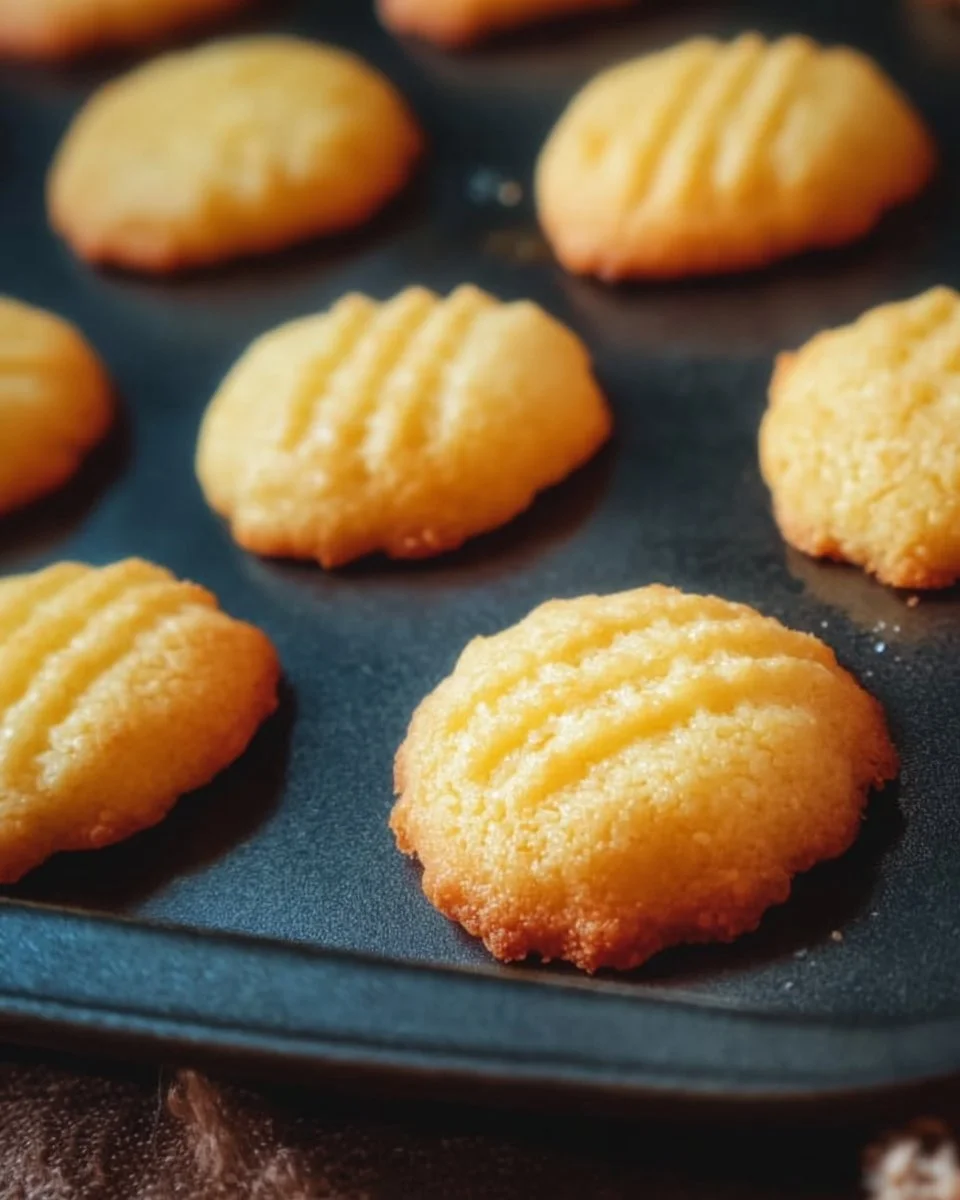
I still remember the first time I made these tiny, buttery cookies — a batch disappeared so quickly at a family gathering that I had to scribble the method on a napkin for my aunt. These are classic mini butter cookies: three main ingredients, a tender crumb, and a melt-in-your-mouth bite that’s perfect for tea time, lunchboxes, or a simple holiday platter.
Why you’ll love this dish
These cookies are the definition of comfort baking: simple ingredients, fast prep, and reliably delicious results. They’re ideal when you want a small sweet without a long ingredient list or complicated technique. Make them for a last-minute hostess gift, a cookie exchange, or when kids want to help — the dough is safe to handle and forgiving.
“Short ingredient list, huge payoff — the perfect tiny cookie. Mildly sweet, very buttery, and utterly addictive.” — a family favorite review
Reasons to try:
- Minimal ingredients (butter, flour, powdered sugar) keep pantry stress low.
- Quick to mix and bake — great for spontaneous baking urges.
- Kid-friendly to shape and decorate.
- Easy to scale up for gatherings or scale down for a quick snack.
How this recipe comes together
In plain terms: cream butter and powdered sugar until pale and smooth, stir in flour until a soft dough forms, roll into small balls, flatten them slightly, then bake until just edged in gold. The process takes a few simple steps and about 12–15 minutes in the oven, so you’ll have fresh cookies before guests settle in.
What to expect:
- A smooth, pliable dough that doesn’t stick excessively when butter is properly softened.
- A short, crumbly texture that’s not crunchy like a biscotti but definitely not cakey.
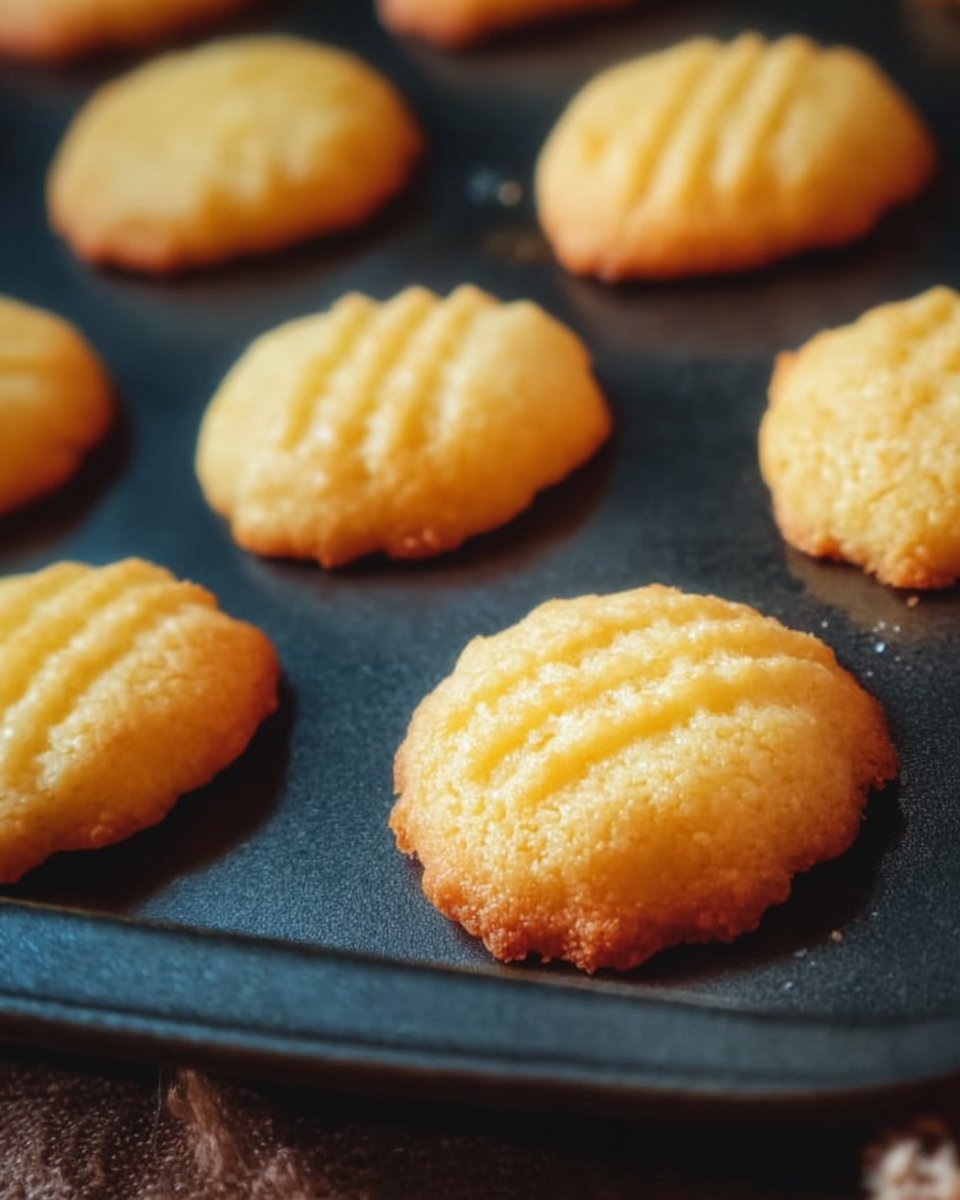
- Lightly golden edges when done — the centers stay pale.
What you’ll need
- 1 cup (226 g) unsalted butter, softened (room temperature, not melted)
- 2 cups (250–260 g) all-purpose flour
- 1 cup (120 g) powdered (confectioners’) sugar
Notes and substitutions:
- Butter: Use unsalted and add a pinch of salt if desired (about 1/8 tsp). Salted butter works, but reduce or skip added salt.
- Powdered sugar is key for a melt-in-the-mouth crumb. If you only have granulated sugar, expect a slightly different texture; see FAQs for tips.
- Gluten-free: swap the flour for a 1:1 gluten-free baking blend with xanthan gum and proceed the same way.
Directions to follow
- Preheat the oven to 350°F (175°C). Position a rack in the center.
- In a large bowl, cream the softened butter and powdered sugar together until smooth and pale. Use a hand mixer or stand mixer for 1–2 minutes.
- Add the flour gradually and mix on low speed until the dough holds together. Scrape the bowl as needed.
- Take small portions of dough and roll into balls about 1 inch across. You should get roughly 24–30 mini cookies depending on size.
- Place the balls on a parchment-lined baking sheet, spacing them 1–2 inches apart.
- Flatten each ball slightly with a fork (crosshatch) or your fingers to about 1/4–1/3 inch thick.
- Bake for 12–15 minutes, until the edges just begin to pick up a hint of gold. The centers should remain pale.
- Transfer cookies to a cooling rack and allow them to cool completely before serving.

Best ways to enjoy it
- Pair with a hot cup of tea or coffee for a classic afternoon treat.
- Serve on a dessert platter alongside chocolate-dipped shortbreads or jam-filled thumbprints for variety.
- Dust extra powdered sugar on top for a snowy holiday look, or sandwich two together with a little jam or chocolate spread for bite-sized sandwich cookies.
- Pack them in small tins layered with parchment for gifting.
How to store & freeze
- Room temperature: Store cooled cookies in an airtight container at room temperature for up to 5 days. Layer with parchment to avoid sticking.
- Refrigerator: Not necessary for short-term storage and can dry them out; use only if your kitchen is very warm.
- Freezing cookies: Freeze baked cookies in a single layer on a baking sheet until firm, then transfer to a freezer-safe bag or container. Keep up to 2 months. Thaw at room temperature.
- Freezing dough: Form dough balls, freeze them on a baking sheet, then store in a bag. Bake from frozen — add 1–2 minutes to bake time.
Food safety: always cool completely before storing to prevent condensation and spoilage.
Pro chef tips
- Temperature matters: butter should be soft but still slightly cool. If it’s too warm, the dough will be greasy and flat; if too cold, it won’t cream properly.
- Don’t overmix after adding flour. Overworking develops gluten and yields tougher cookies.
- Use powdered sugar for the signature tender texture — it contains cornstarch which helps keep these cookies delicate.
- Uniform sizing ensures even baking. Use a small cookie scoop for consistent balls.
- Keep an eye on color rather than time alone; ovens vary. Pull them when edges color lightly.
Creative twists
- Lemon zest: add 1 tsp grated lemon zest to the dough for a bright note.
- Vanilla or almond: stir in 1/2–1 tsp pure vanilla extract or almond extract for added aroma.
- Chocolate-dipped: dip half the cooled cookies in melted dark or milk chocolate and set on parchment.
- Spiced: add 1/4 tsp ground cardamom or cinnamon for warm spice.
- Cocoa version: replace 2–3 tbsp of flour with unsweetened cocoa powder for a chocolate button cookie.
Your questions answered
Q: How long does prep and total time take?
A: Prep is about 10–15 minutes. Baking is 12–15 minutes per sheet. Overall, plan for 30–40 minutes including cooling.
Q: Can I use granulated sugar instead of powdered sugar?
A: You can, but the texture changes. Granulated sugar will give a slightly grainier, crisper cookie. If using granulated, pulse it in a food processor to make it finer, or expect a different mouthfeel.
Q: Can I make the dough ahead of time?
A: Yes. Refrigerate dough balls for up to 48 hours before baking (bring to room temp for a few minutes if chilled). You can also freeze shaped dough as described above.
Q: How do I keep them from spreading?
A: Make sure butter isn’t too soft or melted. Chill the dough briefly (10–15 minutes) if your kitchen is warm before baking.
Q: Are these suitable for sharing with kids and parties?
A: Absolutely. They’re mild in sweetness, easy to handle, and can be dressed up with dips or sprinkles for kid-friendly presentation.
Conclusion
If you want a quick, no-fuss recipe that yields tender, buttery bites every time, this mini butter cookie method delivers. For another take on the same three-ingredient simplicity, check out 3 ingredient mini butter cookies ⋆ The Gardening Foodie. If you’re curious about a crisp alternative with a similar shape, this Butter Button Cookies (Mini Crunchy Shortbread Cookies) post offers a crunchy shortbread twist.
Mini Butter Cookies
Ingredients
Method
- Preheat the oven to 350°F (175°C) and position a rack in the center.
- In a large bowl, cream the softened butter and powdered sugar together until smooth and pale, using a hand mixer or stand mixer for 1–2 minutes.
- Gradually add the flour and mix on low speed until the dough holds together. Scrape the bowl as needed.
- Take small portions of dough (about 1 inch across) and roll them into balls. You should get roughly 24–30 mini cookies.
- Place the balls on a parchment-lined baking sheet, spacing them 1–2 inches apart.
- Flatten each ball slightly with a fork (crosshatch) or your fingers to about 1/4–1/3 inch thick.
- Bake for 12–15 minutes, until the edges just begin to pick up a hint of gold, leaving the centers pale.
- Transfer cookies to a cooling rack and allow them to cool completely before serving.