
Oatmeal Coconut Cookies

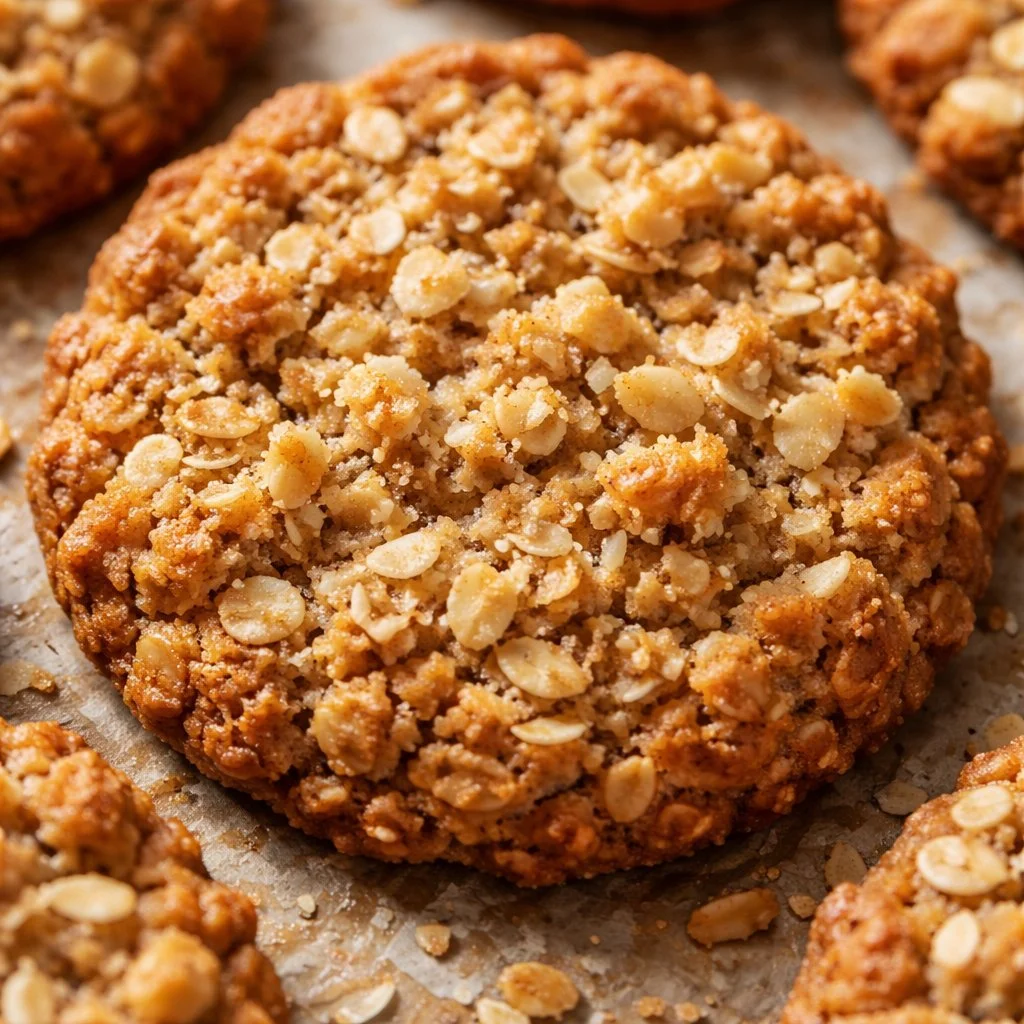
I remember the first time I baked these oatmeal coconut cookies — the kitchen filled with a warm, toasty aroma and the cookies came out slightly crisp at the edges and tender inside. They’re an easy, pantry-friendly treat that balances rolled oats and shredded coconut for texture and subtle tropical flavor. Perfect for afternoon tea, lunchbox snacks, or a last-minute plate to bring to a neighbor.
Why you’ll love this dish
These cookies are forgiving, fast, and crowd-pleasing. With common pantry staples and only one egg, they’re ideal when you want a homemade cookie without fuss. The combination of brown and white sugar gives chew and caramel notes, while the oats add chewiness and the coconut brings brightness and contrast. They’re especially handy for baking with kids or when you need a sweet that travels well.
"Simple ingredients, big flavor — these cookies disappeared before my coffee cooled."
If you like quick cookie recipes, you might also enjoy trying 3-ingredient sugar cookies for another ultra-easy treat.
How this recipe comes together
Quick overview: soften the butter, cream it with sugars, beat in the egg and vanilla, then fold in a dry mix of oats, flour, coconut, baking soda, and salt. Drop tablespoon-sized rounds onto a lined sheet and bake 10–12 minutes until edges are lightly golden. Cool briefly on the sheet so they set, then transfer to a rack.
This is a straightforward creaming method that builds texture and airiness from the creamed butter and sugar. The oats stay whole (no need to blend) so you keep chew and rustic appearance.
Gather these items
- 1 cup rolled oats (old-fashioned oats recommended for chew)
- 1 cup all-purpose flour
- 1/2 cup shredded (desiccated) coconut
- 1/2 cup brown sugar (light or dark; packed)
- 1/2 cup granulated white sugar
- 1/2 cup unsalted butter, softened
- 1 large egg
- 1 teaspoon vanilla extract
- 1/2 teaspoon baking soda
- 1/2 teaspoon salt
Notes/substitutions:
- Use quick oats in a pinch, but the texture will be softer. For nuttier flavor, toast the shredded coconut lightly before mixing.
- To make dairy-free, substitute vegan butter of similar firmness.
- For a gluten-free version, swap all-purpose flour for a 1:1 gluten-free flour blend.
Cooking method
- Preheat the oven to 350°F (175°C). Line a baking sheet with parchment paper.
- In a mixing bowl, cream the softened butter with the brown and white sugars until smooth and fluffy — about 2–3 minutes with a hand mixer.
- Beat in the egg and vanilla extract until uniform and glossy.
- In a separate bowl, whisk together the rolled oats, flour, shredded coconut, baking soda, and salt.
- Gradually add the dry ingredients to the wet mixture, stirring until just combined. Avoid overmixing to keep cookies tender.
- Drop tablespoon-sized portions of dough onto the prepared baking sheet, spacing them about 2 inches apart.
- Bake for 10–12 minutes, or until the edges are lightly golden brown but centers are still soft.
- Let cookies cool on the baking sheet for 3–5 minutes to set, then transfer to a wire rack to cool completely.
Helpful rhythm tip: scoop all cookies onto the sheet then chill the tray for 5–10 minutes if you want thicker, less-spread cookies.
Best ways to enjoy it
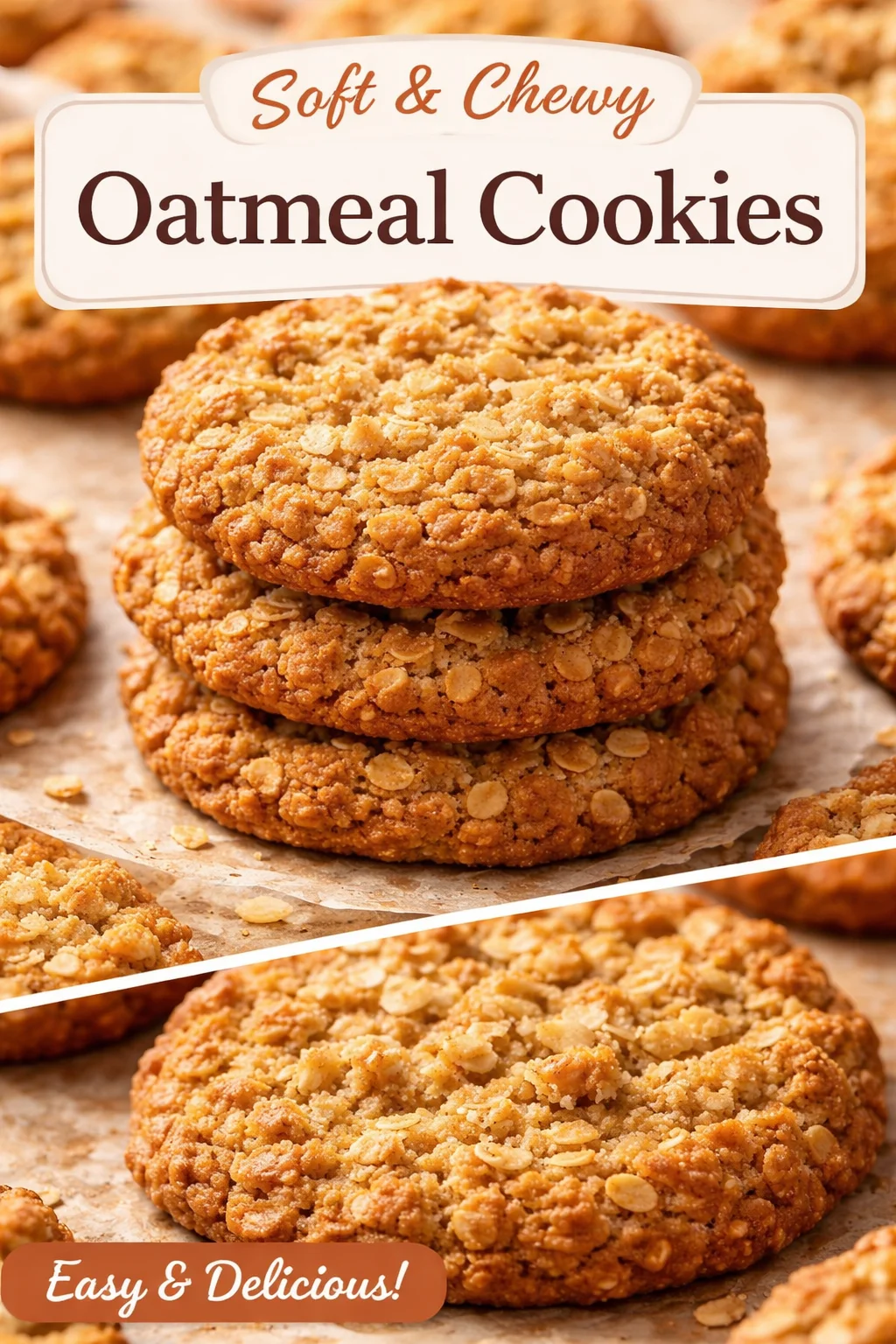
Serve these cookies warm with a glass of cold milk, a mug of chai, or coffee. For a simple dessert plate, stack three cookies with a scoop of vanilla ice cream and drizzle with honey or chocolate sauce. They also travel well — pack in a tin with parchment between layers for gifting.
Pairing idea: the coconut highlights tropical notes, so pair with a bright citrusy tea or an espresso for contrast. If you like texture contrast, serve with fresh berries or a dollop of Greek yogurt sweetened lightly with honey.
You may also enjoy experimenting alongside other cookie recipes like brown sugar pop tart cookies for a cookie platter with variety.
How to store & freeze
Storage:
- At room temperature: store cookies in an airtight container for up to 4 days. Place a slice of bread inside the container to help keep them soft — the cookies will absorb moisture from the bread.
- Refrigeration is unnecessary unless you added perishable fillings; chilling can dry them out.
Freezing:
- To freeze baked cookies: layer in a freezer-safe container separated by parchment and freeze up to 3 months. Thaw on the counter for 15–30 minutes.
- To freeze dough: scoop dough onto a tray, freeze until solid, then transfer to a bag. Bake from frozen, adding 2–3 minutes to the bake time.
Food safety: always cool cookies completely before sealing to avoid condensation and mold growth.
Pro chef tips
- Don’t overmix: stir until the flour is just incorporated to keep cookies tender.
- Butter temperature: aim for butter that’s softened but not greasy; too-soft butter makes dough overly loose.
- Even scoops: use a tablespoon or small cookie scoop for uniform baking.
- For chewier cookies: press down slightly on each dough ball before baking.
- For crisper edges: bake on a metal sheet without silicone for better heat conduction.
If you want a slightly more crisp and golden cookie, swap 2 tablespoons of flour for an equal amount of finely ground almond for flavor and texture.
Creative twists
- Chocolate chip coconut: fold in 1/2 cup semi-sweet chips.
- Tropical tweak: add 1/4 cup chopped macadamia nuts and a teaspoon of lime zest.
- Honey-sweetened: replace white sugar with extra honey and reduce brown sugar slightly; reduce oven temp by 10°F and watch closely.
- Vegan: use a flax egg (1 tbsp ground flax + 3 tbsp water) and vegan butter.
- Oat-forward: for chewier cookies, replace 1/4 cup flour with extra oats.
For another variation focusing on a buttery base, consider buttery 3-ingredient shortbread cookies as a complementary recipe idea.
Common questions
Q: How long does it take to make these cookies from start to finish?
A: About 25–30 minutes total — 10 minutes to prep and cream, 10–12 minutes baking per sheet, plus cooling time.
Q: Can I use quick oats instead of rolled oats?
A: Yes. Quick oats will give a softer, less chewy texture. Old-fashioned rolled oats provide the best chew and visible texture.
Q: Will these cookies be soft or crunchy?
A: They’re designed to have lightly crisp edges and a chewy center. If you prefer crunchy cookies, bake 1–2 minutes longer.
Q: Can I make the dough ahead of time?
A: Yes — you can refrigerate dough for up to 48 hours. Let it sit at room temperature for 10 minutes before baking. You can also freeze scooped dough for up to 3 months.
Q: Are these suitable for vegans or gluten-free diets?
A: With simple swaps (vegan butter and flax egg), they can be made vegan. For gluten-free, use a certified 1:1 gluten-free flour and ensure oats are certified gluten-free.
Conclusion
If you want a straightforward, reliable cookie that balances chew and tropical coconut flavor, these oatmeal coconut cookies are a great go-to. For a similar take with a step-by-step video, check out EASY Oatmeal Coconut Cookies {+VIDEO} | Lil’ Luna. For another quick, family-loved cookie idea, see this My Grandma’s 20-Minute Cookie Recipe Is Still the One I Make on … guide.
If you try a twist or have questions about substitutions, let me know — I’m happy to help fine-tune the recipe.
Oatmeal Coconut Cookies
Ingredients
Method
- Preheat the oven to 350°F (175°C) and line a baking sheet with parchment paper.
- In a mixing bowl, cream the softened butter with the brown and white sugars until smooth and fluffy, about 2–3 minutes.
- Beat in the egg and vanilla extract until the mixture is uniform and glossy.
- In a separate bowl, whisk together the rolled oats, flour, shredded coconut, baking soda, and salt.
- Gradually add the dry ingredients to the wet mixture, stirring until just combined.
- Drop tablespoon-sized portions of dough onto the prepared baking sheet, spacing them about 2 inches apart.
- Bake for 10–12 minutes, or until the edges are lightly golden brown but the centers are still soft.
- Let the cookies cool on the baking sheet for 3–5 minutes to set, then transfer them to a wire rack to cool completely.