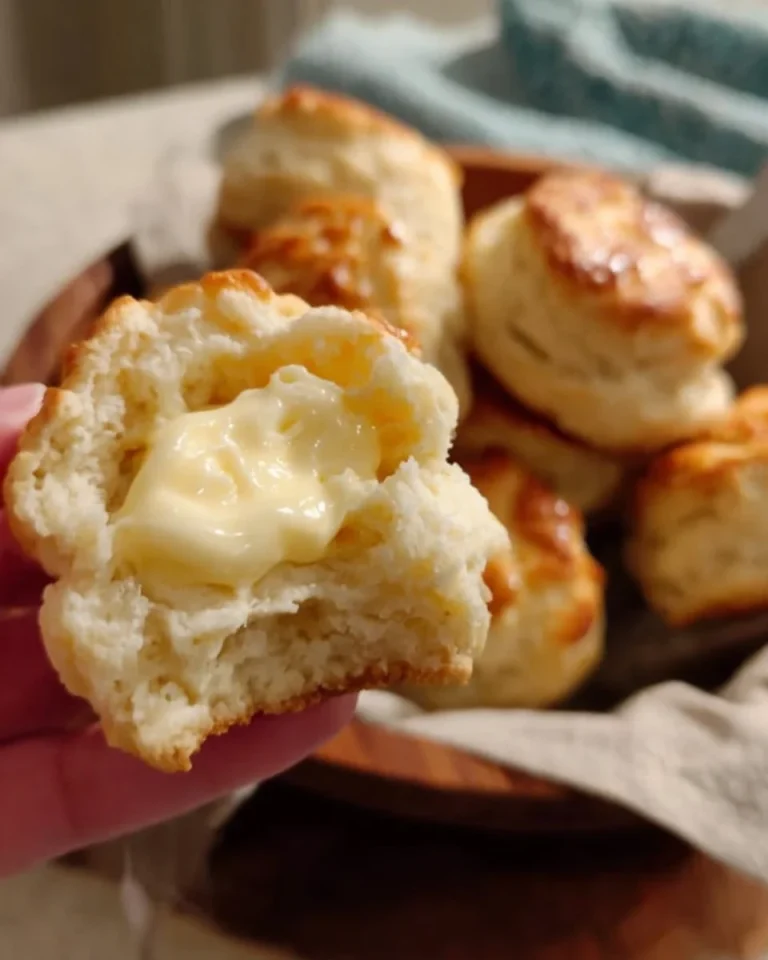
Paula Deen Buttermilk Biscuits

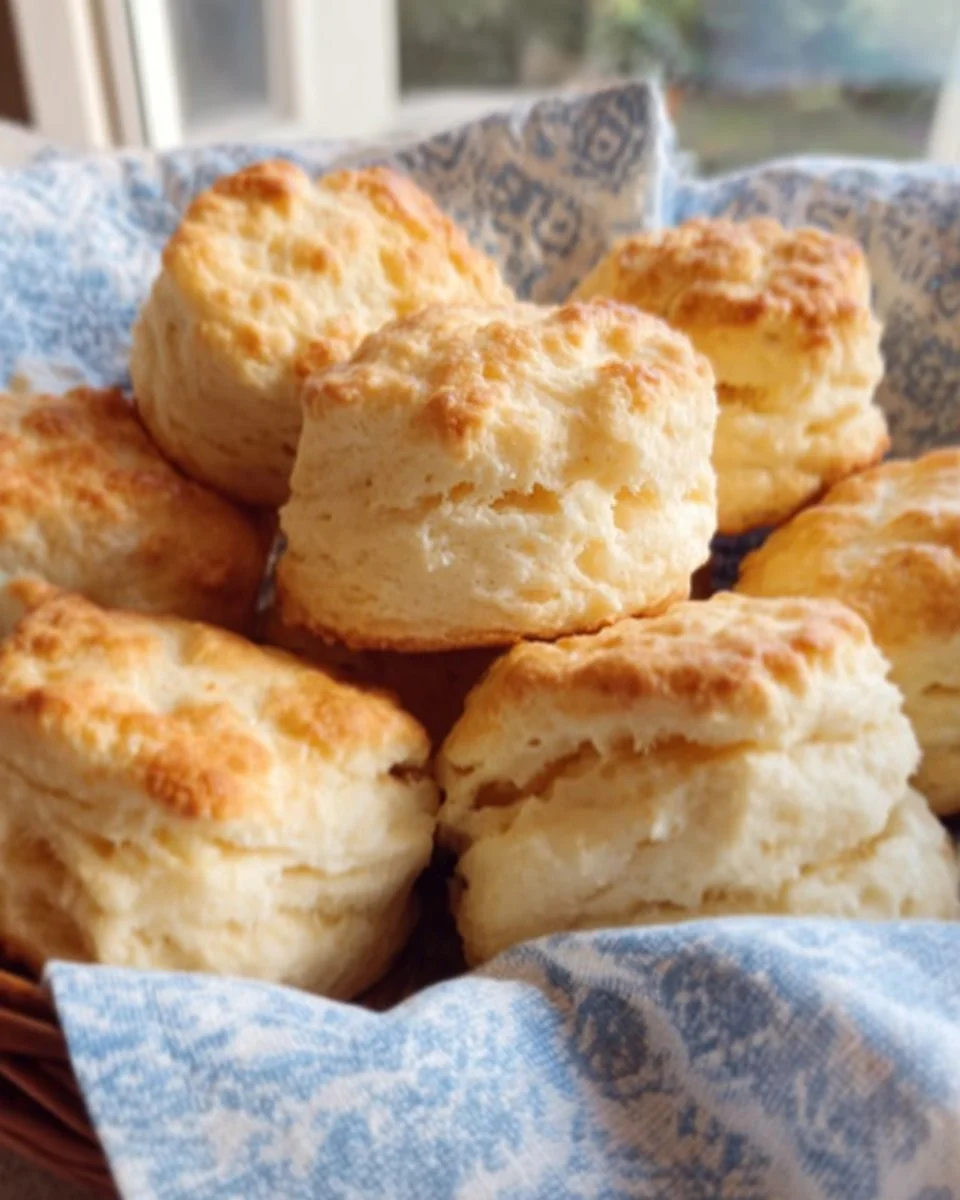
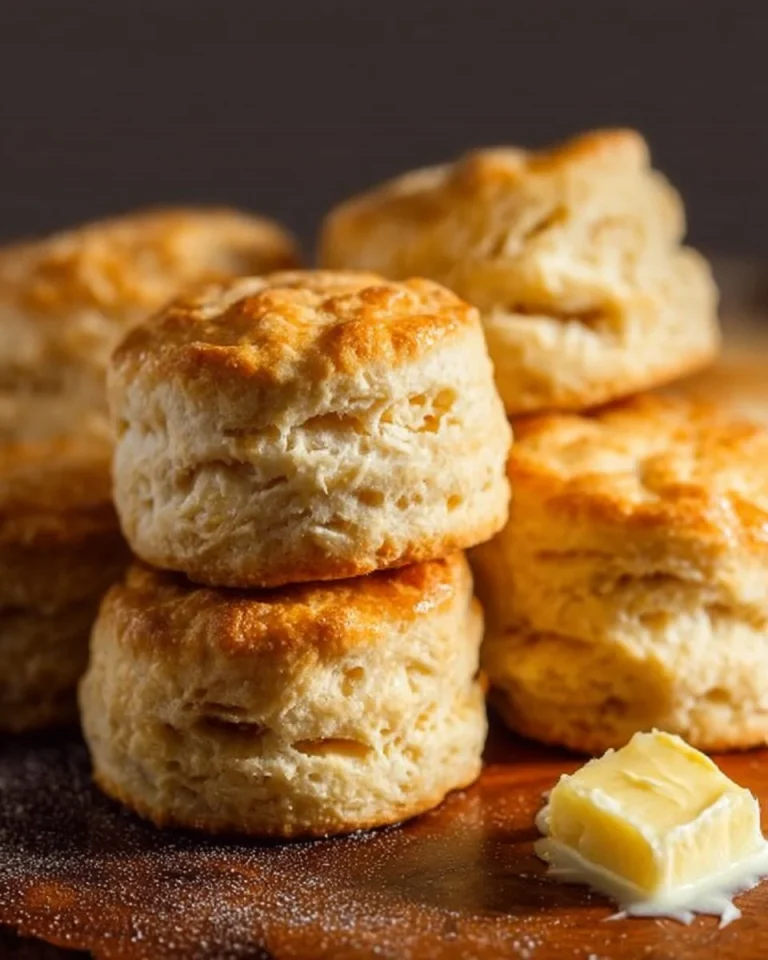
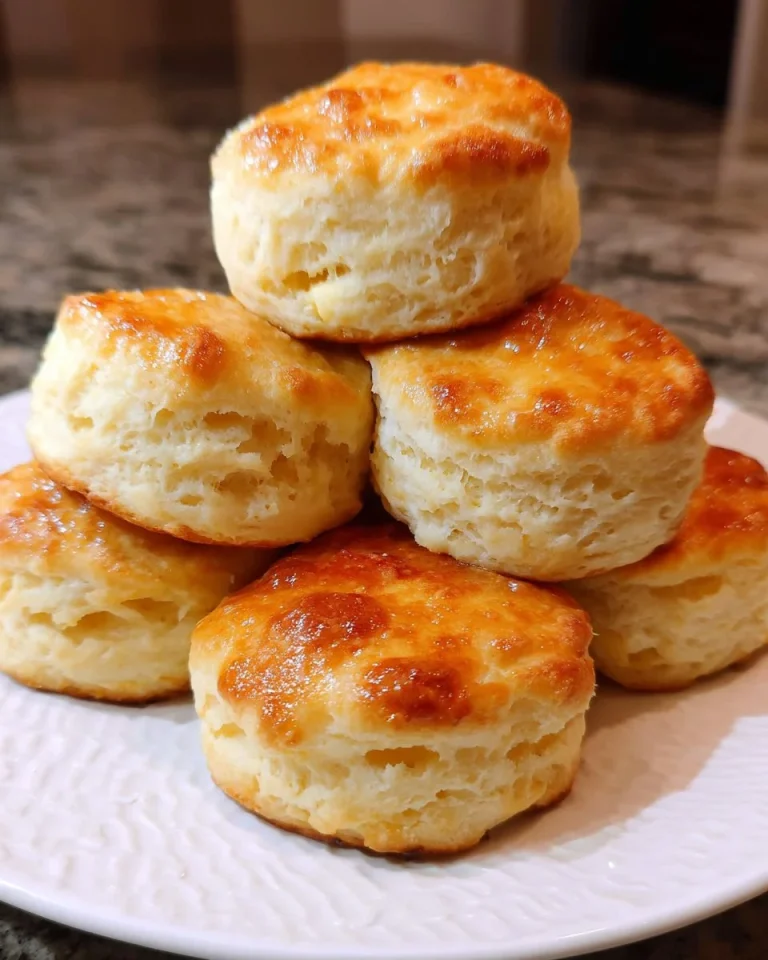
I still remember the first time I pulled a batch of Paula Deen’s buttermilk biscuits from the oven — buttery, pillowy, with that golden domed top that made everyone at the table reach for seconds. This is a classic Southern biscuit recipe that’s fast, forgiving, and perfect for weekend brunches, holiday breakfasts, or a quick biscuit-and-gravy night.
What makes this recipe special
Paula Deen’s buttermilk biscuits are beloved because they keep the method simple and the result reliably tender. With only three main ingredients — self-rising flour, cold butter, and full-fat buttermilk — you get biscuits that rise nicely and have a rich, buttery crumb.
- Quick to mix and bake: about 20–25 minutes from start to finish.
- Few pantry staples: ideal for last-minute breakfasts.
- Kid-approved texture: soft inside, lightly crisp on top.
“Simple, buttery, and honest — these biscuits taste like Sunday mornings.” — home cook review
Step-by-step overview
This recipe is straightforward: you cut cold butter into self-rising flour, stir in buttermilk until the dough just comes together, gently knead, roll to 1-inch thickness, cut, and bake at a high temperature for a quick rise and golden top. Expect short hands-on time and dependable results — no yeast, no waiting.
Key ingredients
- 2 cups self-rising flour — provides flour, baking powder, and salt all-in-one.
- Substitution: if you only have all-purpose flour, see FAQs for a quick conversion.
- 1/2 cup (1 stick) cold butter — use unsalted or salted (adjust if using salted). Keep it very cold for flakier layers.
- 1 cup full-fat buttermilk — for tang, moisture, and lift.
- Substitution: a mixture of milk + vinegar or lemon juice can mimic buttermilk (see FAQs).
Small notes: measure flour by spooning into the cup and leveling — don’t pack. Cold butter and minimal handling are the keys to flaky, layered biscuits.
How to prepare it
- Heat your oven to 450°F (230°C). Position a rack in the middle for even browning.
- In a large bowl combine the self-rising flour and cold butter. Use a pastry cutter, two knives, or your fingertips to cut the butter into the flour until the mixture looks like coarse crumbs with some pea-sized bits of butter remaining.
- Pour in the full-fat buttermilk and stir gently with a fork or spatula until the dough just comes together. It will be slightly shaggy and moist — don’t overmix.
- Turn the dough onto a lightly floured surface. Fold and press it gently 3–4 times to bring it into a cohesive mass. Overworking will make biscuits tough.
- Pat or roll the dough to about 1 inch thick. Use a biscuit cutter (press straight down; don’t twist) to cut biscuits. Re-roll scraps one time only.
- Place biscuits on a baking sheet, spaced slightly apart for tender sides or touching for taller biscuits. Bake 12–15 minutes, watching for a golden brown top. Rotate the pan once if your oven heats unevenly.
- Remove from the oven and serve warm. If you like, brush the tops with melted butter for extra shine and flavor.
Best ways to enjoy it
These biscuits are endlessly versatile:
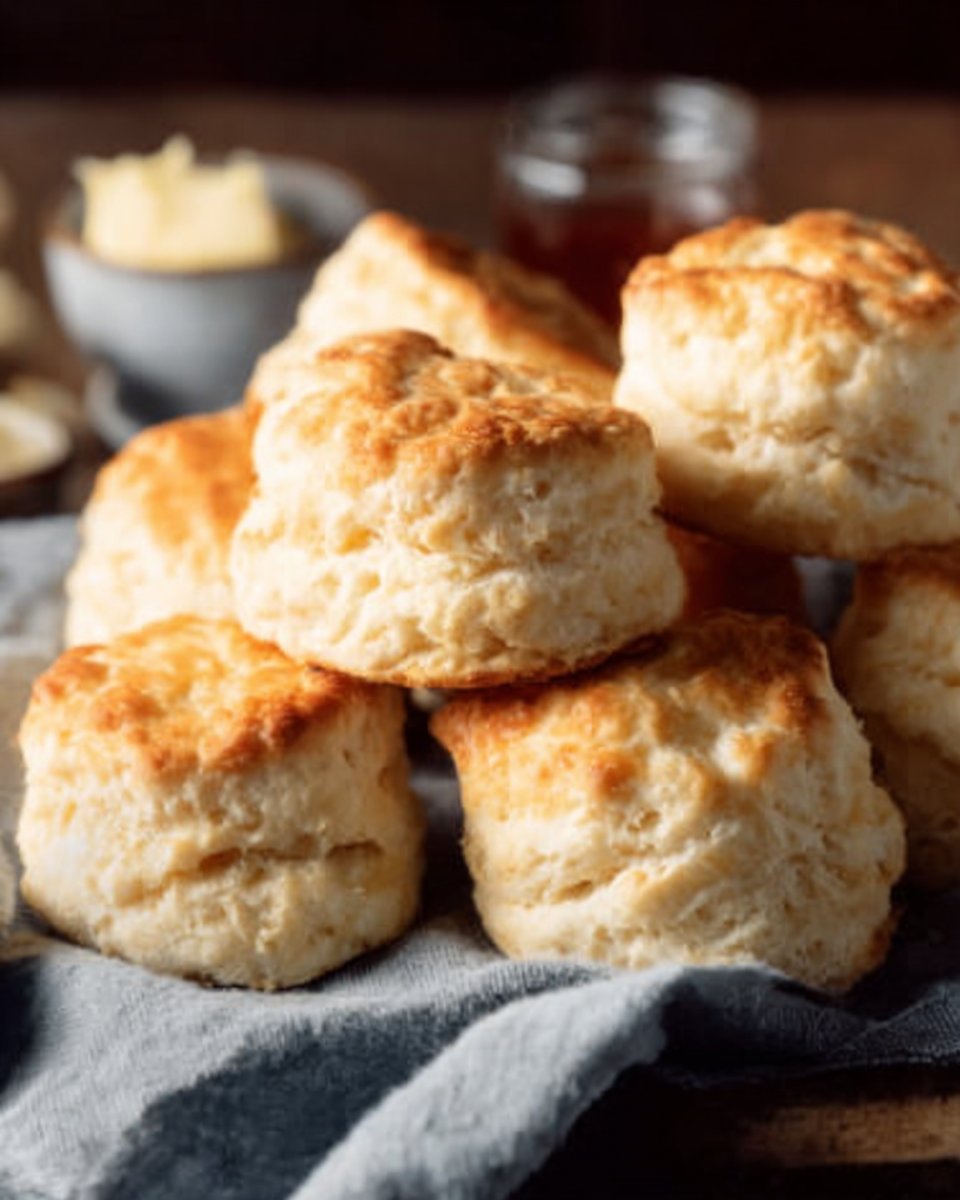
- Classic: split and slather with butter and honey or jam.
- Southern staple: serve with sausage gravy for a hearty breakfast.
- Savory sandwich: slice and fill with fried chicken or ham and cheese.
- Brunch board: pair with scrambled eggs, grits, and fruit for a crowd-pleasing spread.
For presentation, stack three biscuits on a small plate, add a pat of butter on top, and garnish with a sprig of thyme or a drizzle of hot honey.
How to store & freeze
Short term: keep biscuits in an airtight container at room temperature for up to 1 day. After that, refrigerate and use within 3–4 days.
Freezing: cool completely, then wrap individually in plastic and place in a freezer bag for up to 2 months. To reheat frozen biscuits, thaw at room temperature 30–60 minutes, then warm in a 350°F (175°C) oven for 8–10 minutes, or reheat from frozen at 325°F (160°C) for 12–15 minutes. For quick reheats, microwave 15–20 seconds, then crisp in a toaster oven for texture. Always ensure internal temperature is hot before serving.
Pro chef tips
- Keep the butter cold: dice and chill butter in the freezer for 10 minutes before cutting in. Cold pockets of butter create steam and flaky layers.
- Don’t twist the cutter: twisting seals the edges and prevents rise. Press straight down, lift, and gently push the cutter through any stuck dough.
- Minimal kneading: fold just enough to bring dough together. Overworking develops gluten and makes biscuits dense.
- Use a hot oven: 450°F gives a rapid rise and quick set on the outside.
- For taller biscuits: place cut biscuits so they touch; that encourages upward rise instead of spreading outward.
Creative twists
- Cheddar & chive: fold 1/2 cup shredded sharp cheddar and 2 tbsp chopped chives into the dough.
- Honey butter tops: brush with honey-butter (1 tbsp honey + 2 tbsp melted butter) right after baking.
- Buttermilk herb biscuits: add 1 tbsp chopped rosemary and 1 tsp cracked black pepper.
- Whole-wheat swap: use half whole-wheat self-rising flour for a nuttier flavor; expect a denser crumb.
- Vegan-ish: replace butter with a vegan solid fat and use a plant-based buttermilk alternative — results vary.
Your questions answered
Q: Can I use all-purpose flour instead of self-rising flour?
A: Yes. For 2 cups self-rising flour equivalent, combine 2 cups all-purpose flour + 3 tsp baking powder + 1 tsp salt. Whisk before using.
Q: What if I don’t have buttermilk?
A: Stir 1 tbsp white vinegar or lemon juice into 1 cup milk and let sit 5–10 minutes. It won’t be identical, but it works well in a pinch.
Q: Should I chill the dough before cutting biscuits?
A: It’s not necessary here — working with cold butter and minimal handling is enough. If your kitchen is warm, chill the dough 10–15 minutes to firm the butter.
Q: Can I freeze raw biscuit rounds?
A: Yes. Place cut biscuits on a tray, freeze until solid, then transfer to a freezer bag. Bake from frozen — add a few minutes to the bake time and watch for golden tops.
Q: Why are my biscuits dense?
A: Common causes: overmixing or over-kneading, warm butter, or too much flour. Keep ingredients cold and handle gently.
Conclusion
Paula Deen’s buttermilk biscuits are a quick, comforting recipe that rewards careful but simple technique — cold butter, minimal mixing, and a hot oven. If you want to compare techniques or see another take from Paula Deen’s collection, check the official Southern biscuits recipe here: Southern Biscuits Recipes. For a classic pairing idea, see this biscuits-and-gravy version that shows how well these biscuits hold up under a rich sausage gravy: southern buttermilk biscuits and sausage gravy | daisy’s world.
Enjoy baking — these biscuits are forgiving and delicious, and once you get the hang of them, you’ll find countless ways to make them your own.

Buttermilk Biscuits
Ingredients
Method
- Preheat your oven to 450°F (230°C) and position a rack in the middle.
- Combine the self-rising flour and cold butter in a large bowl. Use a pastry cutter, two knives, or your fingertips to cut the butter into the flour until coarse crumbs form with some pea-sized bits of butter remaining.
- Pour in the full-fat buttermilk and stir gently with a fork or spatula until the dough just comes together. The mixture should be slightly shaggy and moist; do not overmix.
- Turn the dough onto a lightly floured surface and fold and press it gently 3–4 times to form a cohesive mass. Avoid overworking the dough to prevent tough biscuits.
- Pat or roll the dough to about 1 inch thick. Use a biscuit cutter to cut the biscuits without twisting. Re-roll scraps only once.
- Place the biscuits on a baking sheet, slightly apart for tender sides or touching for taller biscuits, and bake for 12–15 minutes until golden brown. Rotate the pan once if needed.
- Remove from the oven and serve warm. Optionally, brush the tops with melted butter.