Ricotta Cheese Mixture

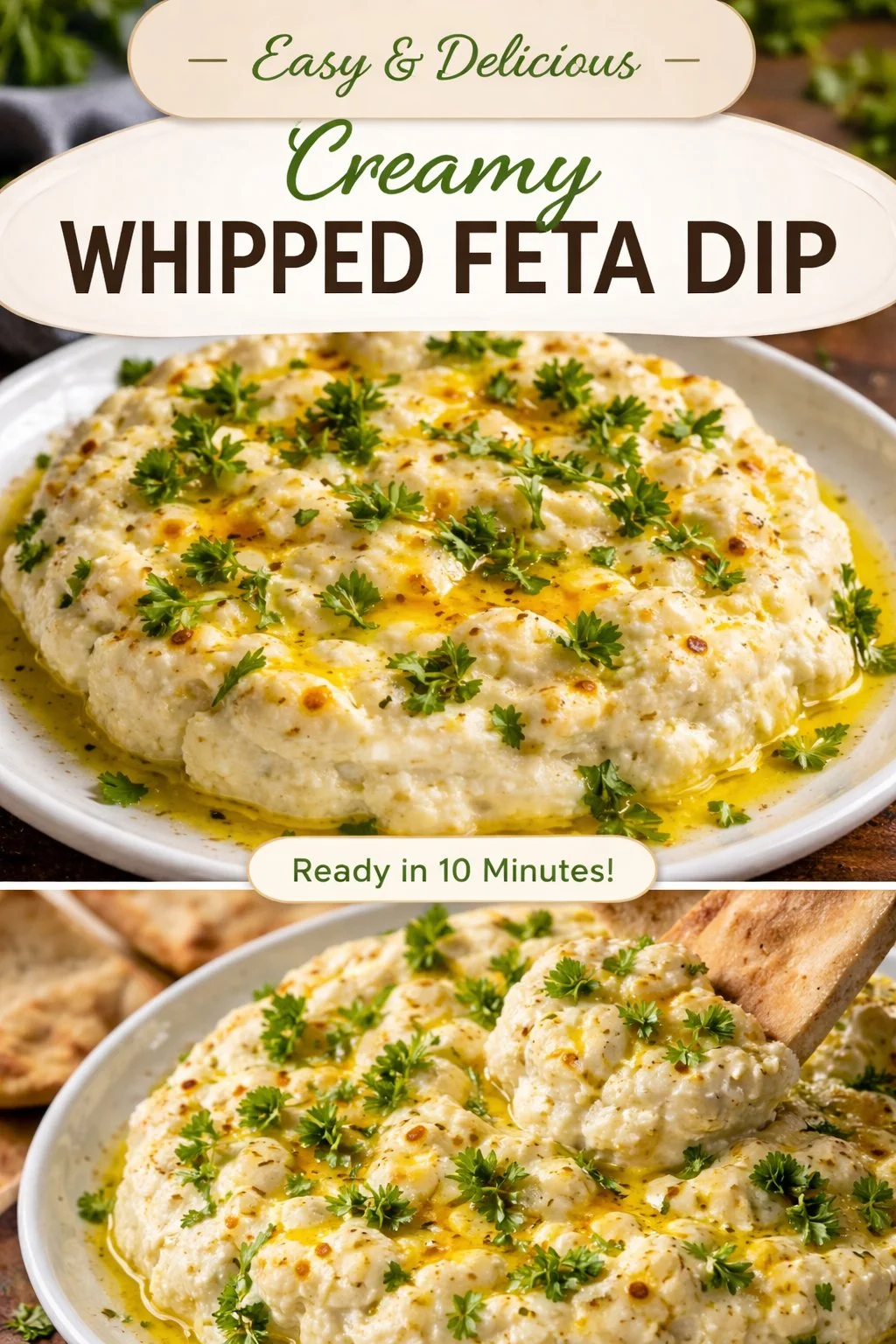
I grew up spooning ricotta straight from the tub, but this simple ricotta cheese mixture—rich, herby, and lightly seasoned—turned that childhood guilty pleasure into a reliable filling for lasagna, stuffed shells, manicotti, and even quick crostini spreads. It’s the kind of base recipe that makes weeknight dinners faster and company meals feel effortless.
Why you’ll love this dish
This ricotta mixture is a small recipe with big returns. It’s fast to assemble, forgiving with substitutions, and rich enough to make simple pasta feel special. Make it for a busy weeknight lasagna, assemble stuffed shells for a freezer-ready meal, or spoon it into ravioli for an elegant dinner. Because it uses pantry cheeses and fresh parsley, it’s budget-friendly and kid-approved—most kids love the mild, creamy texture.
“This ricotta blend turned my lasagna from good to restaurant-level—creamy, lightly seasoned, and never dry.” — home cook review
I often serve this with baked cream cheese chicken for a comforting, crowd-pleasing combo.
How this recipe comes together
- Soften and loosen the ricotta so the mixture isn’t lumpy.
- Fold in shredded mozzarella and grated Romano/Parmesan for melt and savory depth.
- Add eggs to bind the filling when baked, and season with black pepper, parsley, and optional garlic powder.
- Chill briefly so the mixture firms and is easier to spoon or pipe into shells.
This is mostly mixing—no cooking required until you bake the finished dish.
What you’ll need
- 32 oz ricotta cheese (whole milk recommended — richer, creamier texture)
- 1/2 cup shredded mozzarella cheese (part-skim or whole milk)
- 1/3 cup grated Romano or Parmesan cheese (Romano is tangier)
- 2 eggs
- Freshly ground black pepper (to taste)
- 1/2 cup fresh parsley leaves, finely chopped
- 1/2 tsp garlic powder (optional)
Notes: If you prefer a smoother filling, briefly process the ricotta in a food processor. For a lower-fat option, part-skim ricotta works but the mix will be less creamy. Use pasteurized eggs if you won’t cook the mixture right away. 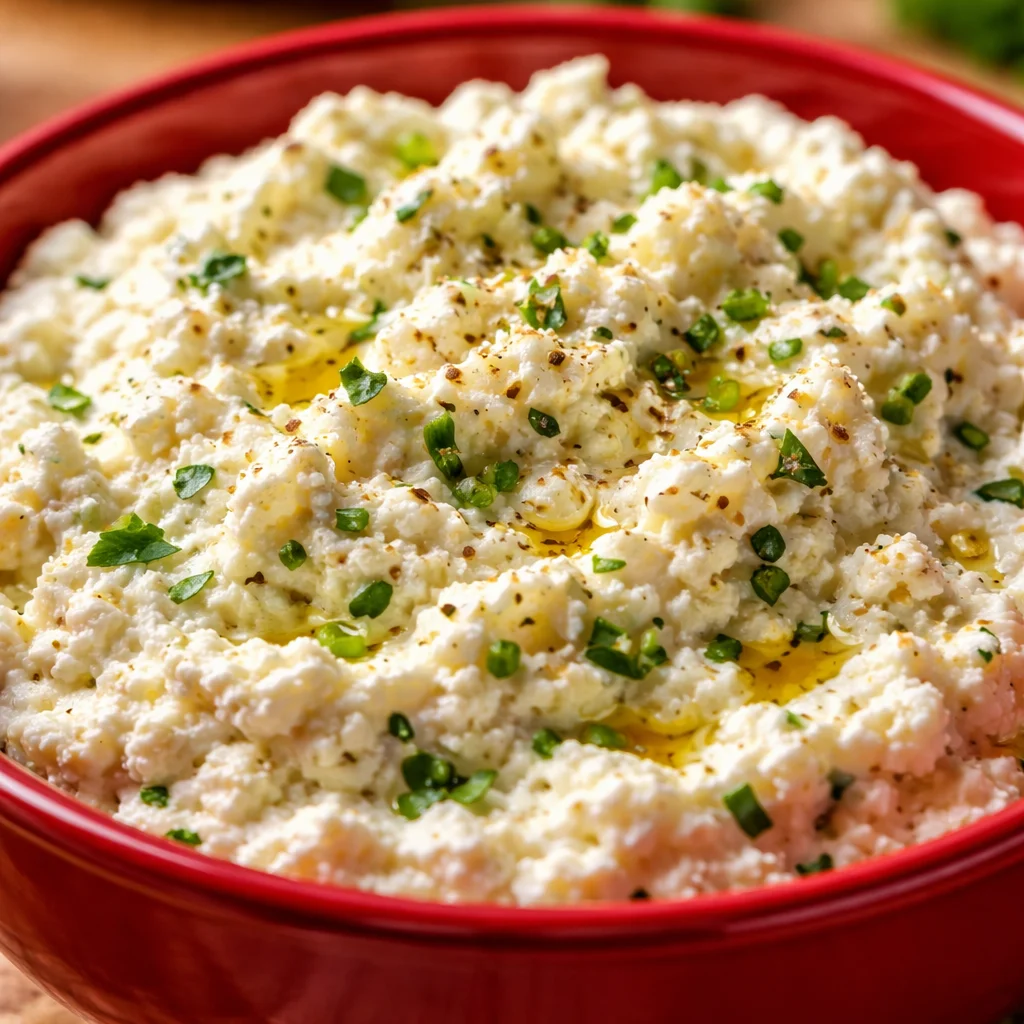
Directions to follow
- Scoop the ricotta into a large mixing bowl and press a rubber spatula around to break up any tight pockets so the cheese is loose and spreadable.
- Add the shredded mozzarella and grated Romano or Parmesan. Stir gently until the cheeses are evenly combined.
- Crack in the eggs and stir until they are fully incorporated—this binds the mixture for baking or stuffing.
- Season with a few grinds of black pepper. Add the chopped parsley and sprinkle the garlic powder if using. Fold everything together until evenly distributed; do not overwork.
- Cover the bowl and refrigerate for at least 30 minutes before using; chilling firms the mixture and makes it easier to spoon or pipe into shells or pasta.
Best ways to enjoy it
- Stuffed shells, manicotti, and layered in lasagna are classic uses.
- Fold into hot pasta with a ladle of marinara and finish with a drizzle of olive oil.
- Dollop onto crostini and broil briefly for a savory appetizer.
- Use as a ravioli filling (seal well) or as a component in baked casseroles.
For a full baked-meal pairing that complements this creamy filling, try serving it alongside baked cream cheese chicken for a cozy dinner.
Storage and reheating tips
- Refrigerate the mixed ricotta in an airtight container and use within 48 hours for best quality and safety (because of the raw eggs). If you use pasteurized eggs or plan to bake the dish immediately, 48–72 hours is still reasonable.
- To freeze: omit eggs for best texture, or use this frozen only after fully baking in a casserole. Freeze up to 2–3 months; thaw overnight in the fridge.
- Reheat baked dishes in a 350°F oven until warmed through (about 20–30 minutes depending on portion size). Avoid microwaving raw ricotta mixtures with eggs.
Helpful cooking tips
- For silkier texture: press ricotta through a fine-mesh sieve or pulse briefly in a food processor.
- Drain watery ricotta by lining a sieve with cheesecloth and letting it sit 30–60 minutes if you bought very wet ricotta.
- Taste for salt before adding extra: Parmesan/Romano and mozzarella add saltiness; adjust accordingly.
- Chill the mixture before stuffing pasta to reduce leakage during assembly.
- If you’re short on time, swap fresh parsley for 1 tsp dried Italian herb blend.
A light, bright finishing touch is lemon zest—use sparingly to lift the flavors. For a contrasting light dessert, consider this berry fruit cheesecake salad.
Recipe variations
- Spinach & Nutmeg: Fold in 1 cup well-drained cooked spinach and a pinch of nutmeg for classic flavor.
- Herbed Lemon: Add 1 tsp lemon zest and substitute basil for parsley.
- Sun-dried Tomato & Basil: Chop sun-dried tomatoes and stir with fresh basil for a bold filling.
- Vegan: Replace ricotta with blended cashews or firm tofu, use nutritional yeast for savoriness, and omit eggs.
- Dessert-style ricotta: Sweeten with honey and vanilla, then spread on toast and top with fresh fruit for a dessert twist.
If you want more fruit-forward sides after a ricotta-rich main, check this berry fruit cheesecake salad for inspiration. Berry fruit cheesecake salad
Helpful answers
Q: Can I make this filling ahead of time?
A: Yes—mix it, cover, and refrigerate for up to 48 hours if using raw eggs. For the best texture and safety, bake the dish within that window. If you plan to freeze, omit the eggs or freeze the final baked dish.
Q: Do I have to use eggs?
A: Eggs act as a binder for baked dishes. You can omit them for no-bake spreads or use pasteurized eggs for safety. For stuffed pasta, consider a small amount of béchamel or ricotta-only filling, but texture will be looser.
Q: Can I substitute other cheeses?
A: Absolutely. Swap Romano with Parmesan for milder tang, or use provolone instead of mozzarella for a slightly different melt. Be wary of extra salt when adding aged cheeses.
Q: How do I keep the filling from leaking in stuffed shells?
A: Chill the filling before filling pasta, dry pasta shells thoroughly, and use a light tomato sauce to cover shells in the baking dish so steam is controlled.
Q: Is it safe to eat this mixture uncooked?
A: Because it contains raw eggs, eating it uncooked carries a small risk. Use pasteurized eggs or avoid raw consumption if you are pregnant, elderly, immunocompromised, or serving young children.
Conclusion
This ricotta cheese mixture is a kitchen workhorse—simple to make, flexible in use, and dependable for both weeknight meals and special occasions. If you want a ready-to-use guide for using ricotta as a filling in casseroles and baked pastas, see Cheese Filling for Lasagna and other Italian Baked Dishes for more ideas. For a focused take on ravioli-style fillings and technique, this Simple ricotta ravioli filling – The Burnt Butter Table is a useful companion resource.
Ricotta Cheese Mixture
Ingredients
Method
- Scoop the ricotta into a large mixing bowl and press a rubber spatula around to break up any tight pockets so the cheese is loose and spreadable.
- Add the shredded mozzarella and grated Romano or Parmesan. Stir gently until the cheeses are evenly combined.
- Crack in the eggs and stir until they are fully incorporated—this binds the mixture for baking or stuffing.
- Season with a few grinds of black pepper. Add the chopped parsley and sprinkle the garlic powder if using. Fold everything together until evenly distributed; do not overwork.
- Cover the bowl and refrigerate for at least 30 minutes before using; chilling firms the mixture and makes it easier to spoon or pipe into shells or pasta.