Vegetarian Lasagna

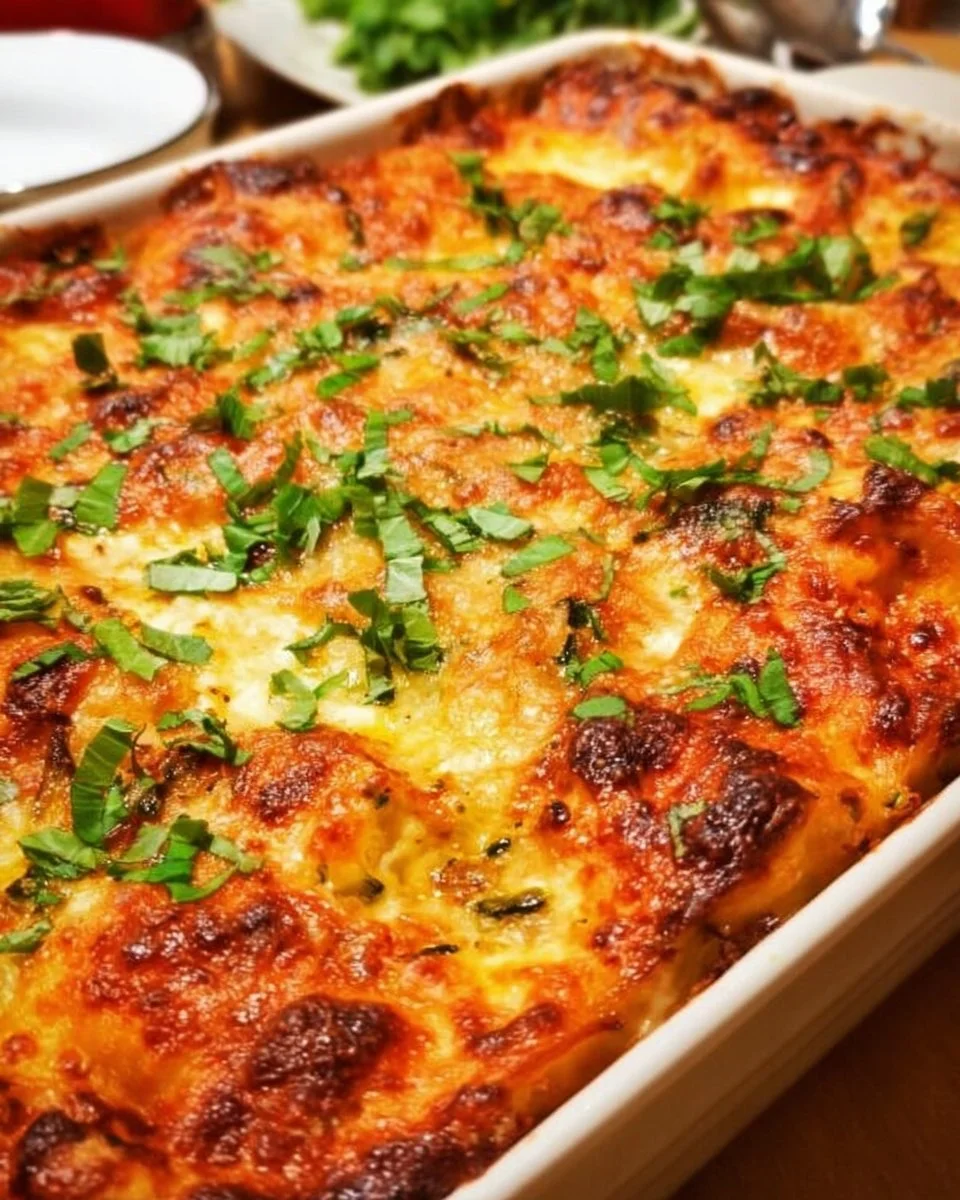
I first made this vegetarian lasagna on a rainy weeknight when I wanted something comforting but light on meat—and it quickly became a regular. It layers grated carrots and courgettes with tangy tomatoes, cream, spinach and salty feta, then bakes until bubbling and golden. It’s a crowd-pleaser that’s easy to scale and forgiving if you swap a few ingredients.
What makes this recipe special
This lasagna balances a creamy, tomato-forward sauce with fresh vegetables and crumbly feta, so you get richness without heaviness. It’s great for weeknights, potlucks, or a simple weekend dinner when you want something filling that’s still vegetable-forward.
"Simple to pull together, full of flavor, and the feta brightens every bite—my kids asked for seconds."
Reasons to try it:
- Speed: Most of the work is quick stovetop cooking and simple layering.
- Budget-friendly: Uses inexpensive vegetables and pantry staples.
- Flexible: Easy to adapt to what’s in season or in your fridge.
- Crowd-pleasing: Mild spice from chili, but easy to tame for picky eaters.
The cooking process explained
Before you start: you’ll sauté aromatics, soften grated vegetables, simmer the sauce with cream and spinach, then layer with lasagna sheets and crumbled feta. The assembled pan bakes for about 30 minutes until golden and bubbling. Total hands-on time is roughly 25–35 minutes, plus baking.
What to expect:
- Quick sautéing to concentrate flavors.
- A saucy, slightly creamy vegetable filling that doubles as the lasagna “sauce.”
- Crumbled feta between layers to add tang and salt without a heavy béchamel.
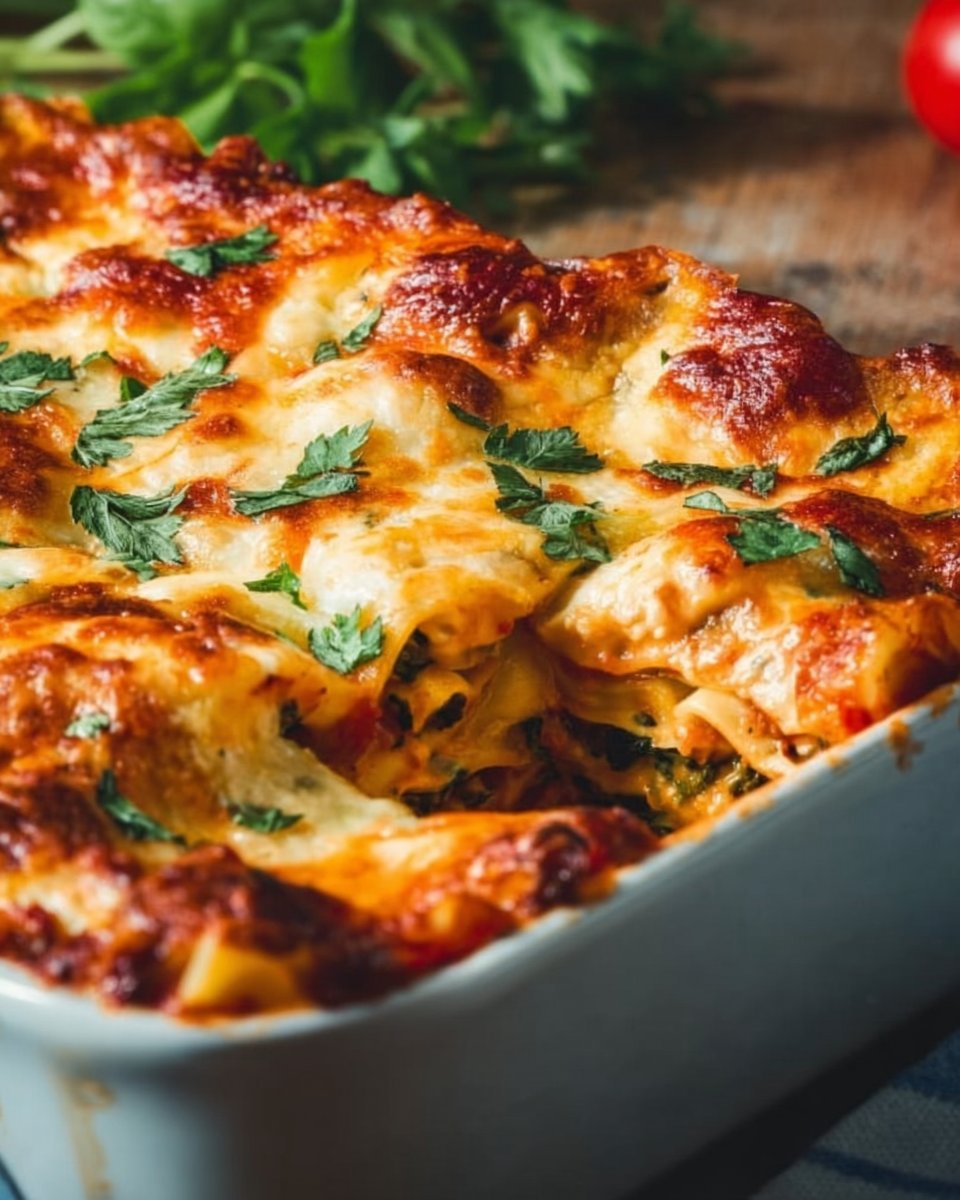
- A final cheese topping for that browned, melty finish.
Gather these items
- 2 carrots, grated (about 1–1½ cups)
- 2 courgettes (zucchini), grated (about 1–1½ cups)
- 1 onion, chopped
- 2 cloves garlic, minced
- 1 chili, chopped (reduce or omit for mild)
- 400 g diced tomatoes (canned or fresh)
- 200 ml cream (single or light cream; for dairy-free use coconut cream or soy cream)
- Salt, to taste
- 1 teaspoon sugar (to balance tomato acidity)
- Black pepper, to taste
- Fresh basil leaves, chopped (about a handful)
- 150 g spinach (fresh; roughly 5–6 cups loosely packed)
- 200 g feta cheese, crumbled (sheep/goat feta works well)
- Lasagna sheets (no-boil or pre-cooked sheets both work)
- 100 g grated cheese for topping (mozzarella, cheddar, or a blend)
Substitutions/notes:
- To make it lighter, swap cream for half Greek yogurt stirred in off heat (to avoid curdling).
- Use frozen spinach—thaw and squeeze out excess moisture before adding.
- For vegan: use firm tofu or a vegan feta alternative and plant-based cream + dairy-free grated topping.
How to prepare it
- Preheat your oven to 180°C (350°F).
- Heat a large skillet over medium heat with a splash of oil. Sauté the chopped onion, minced garlic, and chopped chili until soft and fragrant (3–4 minutes).
- Add the grated carrots and courgettes. Cook, stirring, for 3–5 minutes until they begin to soften and release moisture.
- Pour in the diced tomatoes and 200 ml cream. Stir in 1 teaspoon sugar, salt and black pepper to taste.
- Add chopped basil and the spinach. Cook until the spinach wilts and the mixture is cohesive (2–3 minutes). Adjust seasoning.
- In a lasagna dish, lay a base layer of lasagna sheets. Spoon on a third of the vegetable mixture and sprinkle a portion of crumbled feta. Repeat layers until ingredients are used, finishing with lasagna sheets.
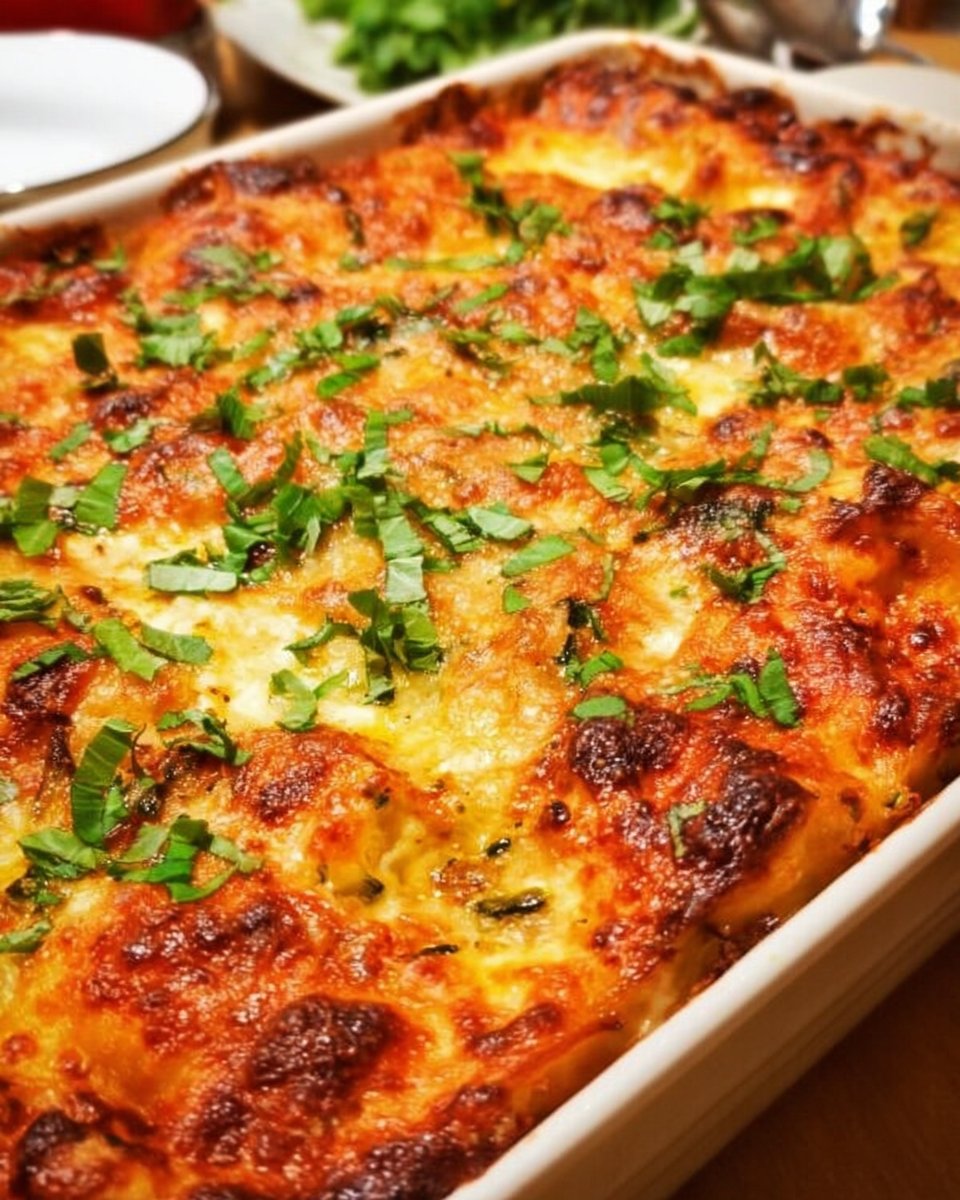
- Top the final sheet layer with the remaining grated cheese to form a golden crust.
- Bake in the preheated oven for about 30 minutes, or until the top is bubbling and golden.
- Remove from the oven and let rest for 5–10 minutes before slicing and serving—this helps the layers set.
Best ways to enjoy it
- Pair with a crisp green salad (arugula, lemon vinaigrette) to cut the richness.
- Serve with crusty bread or garlic toast to soak up any leftover sauce.
- For wine: a light-bodied red (Pinot Noir) or an unoaked Chardonnay complements the tomato and feta.
- For a special finish: drizzle a little good olive oil and scatter extra fresh basil before serving.
How to store & freeze
- Refrigerator: Cool to room temperature, then cover and refrigerate for up to 3–4 days.
- Reheat: Warm individual slices in the microwave (2–3 minutes) or reheat the whole dish in a 180°C (350°F) oven for 15–20 minutes, covered with foil for even heating, removing foil for the last 5–10 minutes to crisp the top.
- Freezing: Freeze portions or the whole unbaked assembled lasagna (wrap tightly with foil and plastic wrap) for up to 2–3 months. Thaw overnight in the fridge before baking; add 10–15 extra minutes to the baking time if still slightly chilled.
Food safety tip: don’t leave cooked lasagna at room temperature for more than 2 hours; refrigerate within that window.
Pro chef tips
- Grate vegetables on the large holes of a box grater for even texture and fast cooking.
- Squeeze excess liquid from zucchini with a clean towel if you prefer a less watery filling.
- If using no-boil lasagna sheets, ensure the vegetable mixture is saucy enough to hydrate them during baking.
- For a silkier sauce, blend half the mixture briefly before layering, then fold back in the unblended vegetables for texture.
- Taste and season boldly—feta adds salt, so adjust after adding it.
Creative twists
- Add roasted red peppers and smoked paprika for a smoky variant.
- Swap feta for ricotta mixed with lemon zest and parsley for a creamier middle layer.
- Make it gluten-free with certified gluten-free lasagna sheets.
- Add cooked lentils or chopped mushrooms to boost protein and umami.
- Top with breadcrumbs mixed with olive oil and herbs for a crunchy finish.
Your questions answered
Q: Can I use dried herbs instead of fresh basil?
A: Yes—use about 1 teaspoon dried basil in place of a handful of fresh. Fresh gives a brighter flavor, so add a little extra if you rely on dried.
Q: Do I need to pre-cook lasagna sheets?
A: No-boil sheets work fine if the filling is saucy. If using regular dried sheets, either pre-cook according to package instructions or ensure your filling is slightly wetter so they soften while baking.
Q: How can I make this lower in fat?
A: Use light cream or replace cream with low-fat Greek yogurt (stirred in off heat). Reduce the topping cheese quantity or choose a lower-fat grated cheese.
Q: Is it freezer-friendly after baking?
A: Yes—fully cooked lasagna can be frozen for up to 2 months. Cool completely, wrap tightly, and label. Reheat from frozen in a 180°C (350°F) oven, covered, for about 45–60 minutes until heated through.
Q: Can I prepare this ahead for guests?
A: Assemble the lasagna and refrigerate (covered) for up to 24 hours before baking. Allow an extra 5–10 minutes in the oven if baking straight from the fridge.
Conclusion
If you want more inspiration for vegetable-forward lasagnas and different technique variations, take a look at this well-tested Vegetarian Lasagna Recipe – Love and Lemons and the flavor-packed Best Vegetable Lasagna Recipe – Cookie and Kate. Both offer useful alternatives and plating ideas that pair nicely with the approach described above.

Vegetarian Lasagna
Ingredients
Method
- Preheat your oven to 180°C (350°F).
- Heat a large skillet over medium heat with a splash of oil. Sauté the chopped onion, minced garlic, and chopped chili until soft and fragrant (3–4 minutes).
- Add the grated carrots and courgettes. Cook, stirring, for 3–5 minutes until they begin to soften and release moisture.
- Pour in the diced tomatoes and 200 ml cream. Stir in 1 teaspoon sugar, salt and black pepper to taste.
- Add chopped basil and spinach. Cook until the spinach wilts and the mixture is cohesive (2–3 minutes). Adjust seasoning.
- In a lasagna dish, lay a base layer of lasagna sheets. Spoon on a third of the vegetable mixture and sprinkle a portion of crumbled feta. Repeat layers until ingredients are used, finishing with lasagna sheets.
- Top the final sheet layer with the remaining grated cheese to form a golden crust.
- Bake in the preheated oven for about 30 minutes, or until the top is bubbling and golden.
- Remove from the oven and let rest for 5–10 minutes before slicing and serving.