2-Ingredient Biscuits

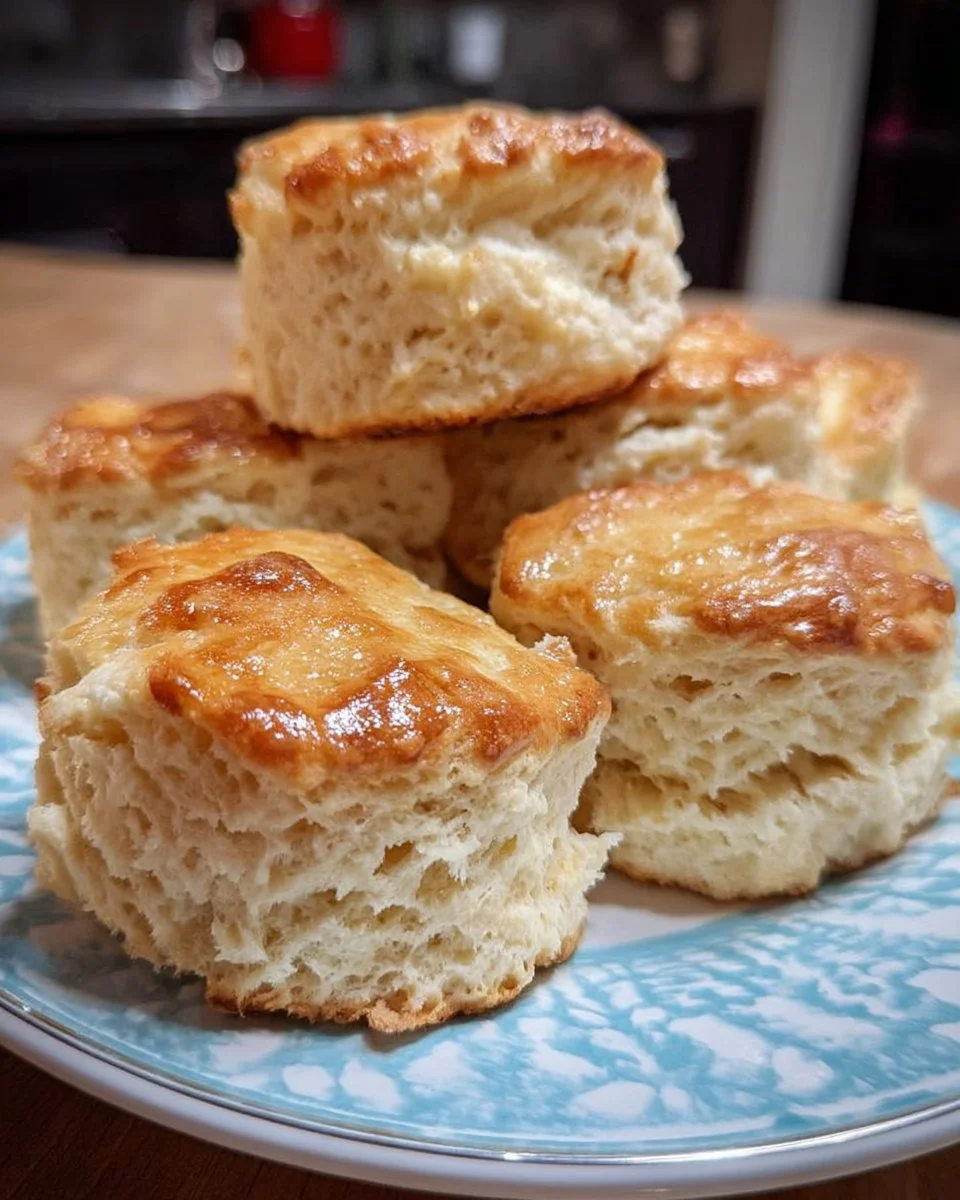
I grew up on flaky, buttery biscuits, but I kept coming back to this ridiculously simple version: just self-rising flour and heavy cream. Two ingredients, no rolling pin drama, and a golden biscuit in under 20 minutes. These 2-ingredient biscuits are the shortcut that still tastes homemade — perfect for rushed mornings, last-minute guests, or when you want warm bread without fuss.
Why you’ll love this dish
This biscuit recipe strips the process down to the essentials and still delivers a tender, slightly crisp bite. No yeast, no butter to cut in, and no long resting time — just mix, cut, and bake. It’s ideal for busy weeknights, quick brunch spreads, or as a side for chili and soups.
“Simple to the point of magic: two pantry staples, five minutes to mix, and golden biscuits that vanish fast.” — longtime home cook
Benefits at a glance:
- Speed: ready from bowl to table in about 30 minutes.
- Budget-friendly: pantry staples that many people already have.
- Reliable: no kneading or proofing; easy to reproduce.
- Kid-approved: soft interior, golden top — kids keep asking for seconds.
How this recipe comes together
This method is straightforward: combine self-rising flour and heavy cream into a sticky dough, gently shape to the desired thickness, cut rounds, and bake hot until puffed and golden. The cream does double duty: it hydrates the flour and brings enough fat for tender layers without separate butter. Expect a soft crumb and a light, slightly sweet dairy flavor.
What you’ll need
- 2 cups self-rising flour (plus extra for your work surface)
- 1 1/2 cups heavy whipping cream
Notes and substitutions:
- If you only have all-purpose flour: make your own self-rising by adding 3 teaspoons baking powder and 1/2 teaspoon fine salt per 1 cup all-purpose flour.
- For a lighter result, try 1 cup heavy cream + 1/2 cup whole milk — texture will be slightly less rich.
- For a dairy-free swap, use a full-fat non-dairy creamer designed for cooking (results will vary).
Step-by-step instructions
- Preheat the oven to 450°F. Line a baking sheet with parchment and set aside.
- Sift the self-rising flour into a large mixing bowl to remove lumps and aerate the flour.
- Pour in the heavy whipping cream.
- Gently mix by hand or with a dough hook just until the dough comes together. Stop as soon as no dry flour remains — overmixing makes tough biscuits.
- Lightly flour your work surface and turn out the dough.
- Use your palms to press the dough to the thickness you want (about 1–1½ inches for tall biscuits).
- Press a round cutter straight down without twisting to cut circles. Re-shape scraps gently; avoid overworking.
- Place biscuits onto the prepared sheet. For taller sides, set them close so edges touch; for crispier sides, space them apart.
- Optional: brush tops with a beaten egg for extra shine and color.
- Bake 15–20 minutes, until biscuits are puffed and deep golden on top.
- Transfer to a wire rack to cool slightly. Serve warm.

Best ways to enjoy it
These biscuits are versatile. Try them with:
- Classic breakfast: butter and jam or honey.
- Savory split-and-fill: fried chicken, sausage gravy, or scrambled eggs and cheese.
- Dinner side: alongside pot roast, beef stew, or creamy soups.
- Brunch upgrade: split and top with smoked salmon, cream cheese, and dill for a fancier bite.
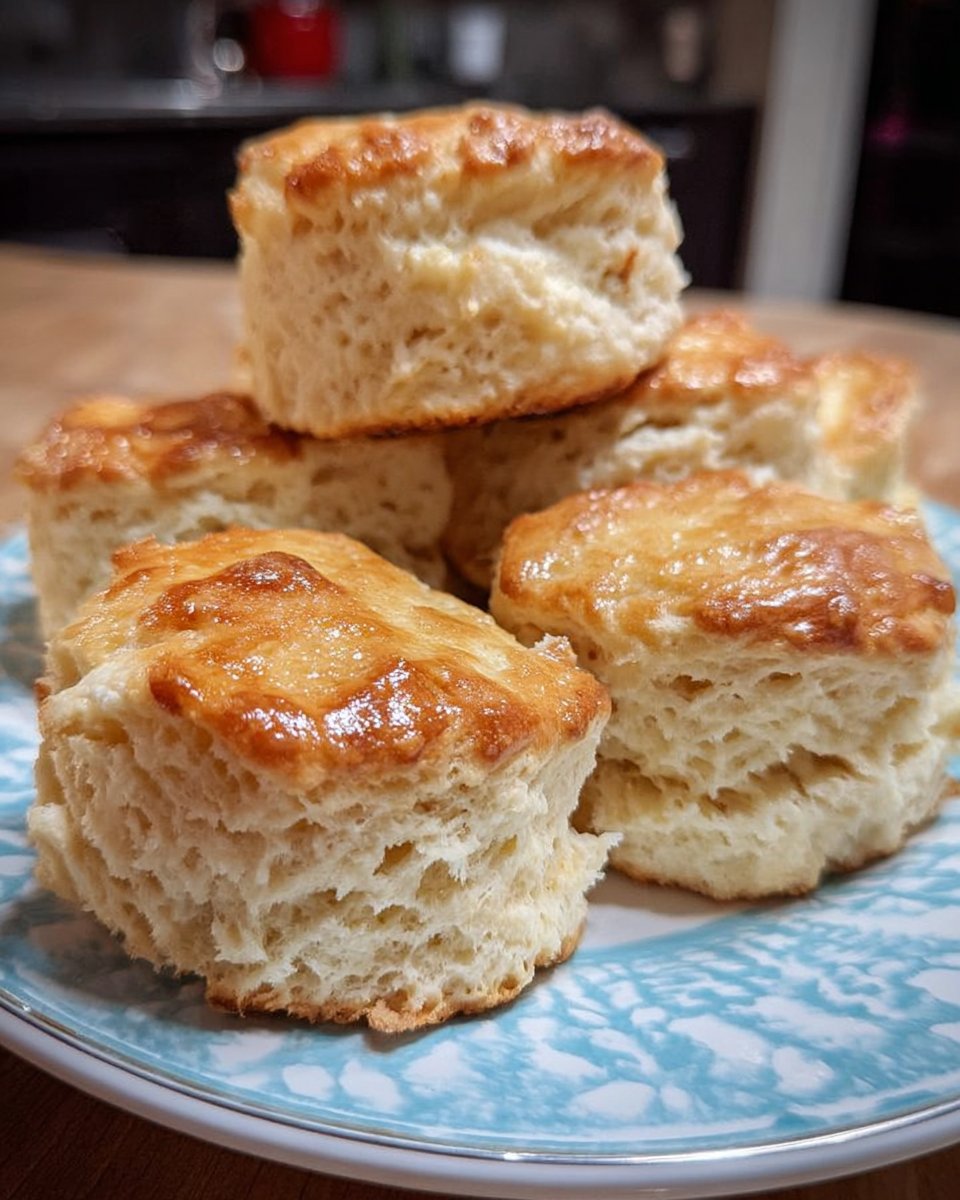
For presentation: stack three biscuits on a small plate, drizzle with honey, and add fresh berries for a simple brunch centerpiece.
Storage and reheating tips
Short-term:
- Store cooled biscuits in an airtight container at room temperature up to 48 hours for best quality.
- If you prefer refrigeration, place in a sealed container; they’ll keep about 3–4 days.
Freezing:
- To freeze raw (uncut) dough: shape and cut, then freeze biscuits on a tray until firm, transfer to a freezer bag, label, and bake from frozen — add 3–5 minutes to baking time.
- To freeze baked biscuits: cool completely, wrap individually in foil or plastic wrap, and freeze up to 2 months. Reheat wrapped at 350°F for 10–12 minutes.
Reheating:
- Oven: 350°F for 6–10 minutes until warmed through (unwrapped for a crisp top).
- Microwave: 20–30 seconds per biscuit — softens texture and won’t crisp the exterior.
Food safety note: these biscuits contain dairy — discard leftover biscuits left out longer than 2 hours in warm conditions.
Pro chef tips
- Don’t overwork the dough: mix and handle gently to keep biscuits tender.
- Cutter technique matters: press straight down and lift straight up. Twisting seals the edges and stops a good rise.
- For flaky layers: fold the dough over itself a couple of times before pressing out (like a rough lamination). Don’t overdo it.
- Oven heat: a very hot oven (450°F) gives a quick oven spring and golden top. Preheat thoroughly.
- For even browning: rotate the pan halfway through baking if your oven has hot spots.
Creative twists
- Cheesy herb biscuits: fold 1/2 cup shredded cheddar and 1–2 tablespoons chopped chives into the dough.
- Sweet cinnamon-sugar: brush tops with melted butter and sprinkle cinnamon sugar right after baking.
- Garlic-herb: mix 1 teaspoon garlic powder and 1 tablespoon finely chopped rosemary into the flour.
- Buttermilk version: replace cream with an equal amount of buttermilk for a tangier biscuit (may spread more; press slightly thicker).
- Make minis for sliders or large rounds to split and stuff for breakfast sandwiches.
Your questions answered
Q: How many biscuits does this recipe make?
A: Yield depends on cutter size. Using a 2.5–3-inch cutter, you’ll get about 8–10 biscuits. For smaller cutters, expect more.
Q: Can I use whipping cream that’s already opened?
A: Yes — as long as it’s fresh and within the use-by date. Keep dairy cold before using and don’t use cream that smells off.
Q: Can I mix these with a stand mixer?
A: Absolutely. Use a paddle or dough hook on low speed and stop as soon as the dough comes together to avoid overmixing.
Q: Are these biscuits suitable for freezing?
A: Yes. You can freeze raw cut biscuits on a tray then store them in a bag, or freeze baked biscuits wrapped tightly. See the Storage section for times and baking adjustments.
Q: Why are some biscuits dense?
A: Overmixing, heavy handling, or using a dull cutter (which compresses edges) can make dense biscuits. Mix briefly, handle gently, and press straight down with your cutter.
Conclusion
If you want more technique notes or variations from trusted food sites, check this detailed take on the method with professional tips: 2-Ingredient Cream Biscuits Recipe. For another popular version and serving ideas, this write-up is a great companion: 2-Ingredient Biscuits Recipe.
Enjoy these biscuits warm. They’re foolproof enough for a quick weeknight dinner and good-looking enough to bring to a weekend brunch.

2-Ingredient Cream Biscuits
Ingredients
Method
- Preheat the oven to 450°F. Line a baking sheet with parchment and set aside.
- Sift the self-rising flour into a large mixing bowl to remove lumps and aerate the flour.
- Pour in the heavy whipping cream.
- Gently mix by hand or with a dough hook just until the dough comes together. Stop as soon as no dry flour remains.
- Lightly flour your work surface and turn out the dough.
- Use your palms to press the dough to a thickness of about 1–1½ inches for tall biscuits.
- Press a round cutter straight down without twisting to cut circles. Re-shape scraps gently; avoid overworking.
- Place biscuits onto the prepared sheet. For taller sides, set them close so edges touch; for crispier sides, space them apart.
- Optional: Brush tops with a beaten egg for extra shine and color.
- Bake for 15–20 minutes, until biscuits are puffed and deep golden on top.
- Transfer to a wire rack to cool slightly. Serve warm.