
Best Ever Homemade Biscuits Recipe

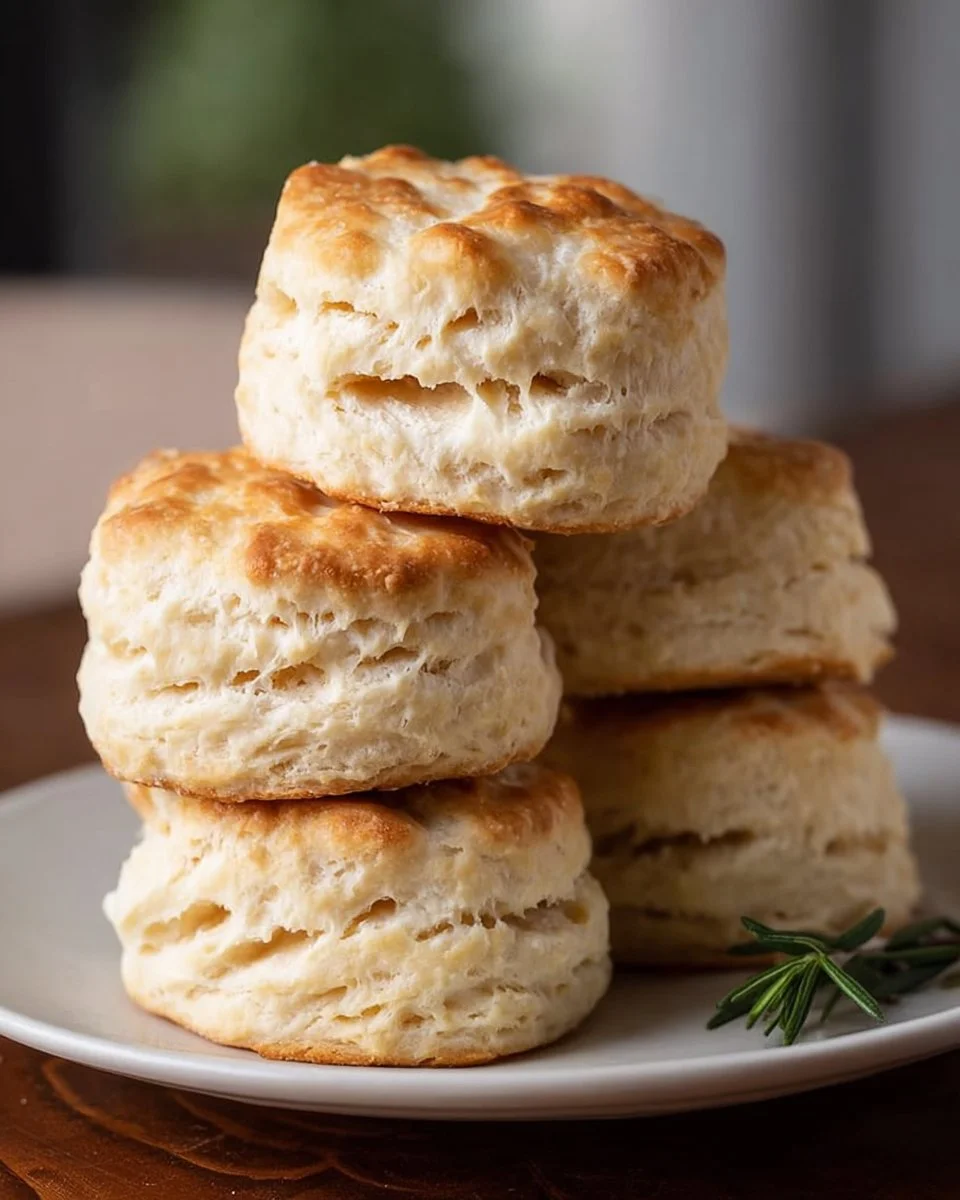
I learned this biscuit recipe from weekend mornings — the kind where the house smells like butter and warm flour and everyone crowds the kitchen. These are simple, flaky, tender biscuits made with just flour, butter, a touch of sugar, and cold milk or buttermilk. They bake up in about 15 minutes and work for everything from gravy-drenched breakfasts to honey-sweet afternoon treats.
Why you’ll love this dish
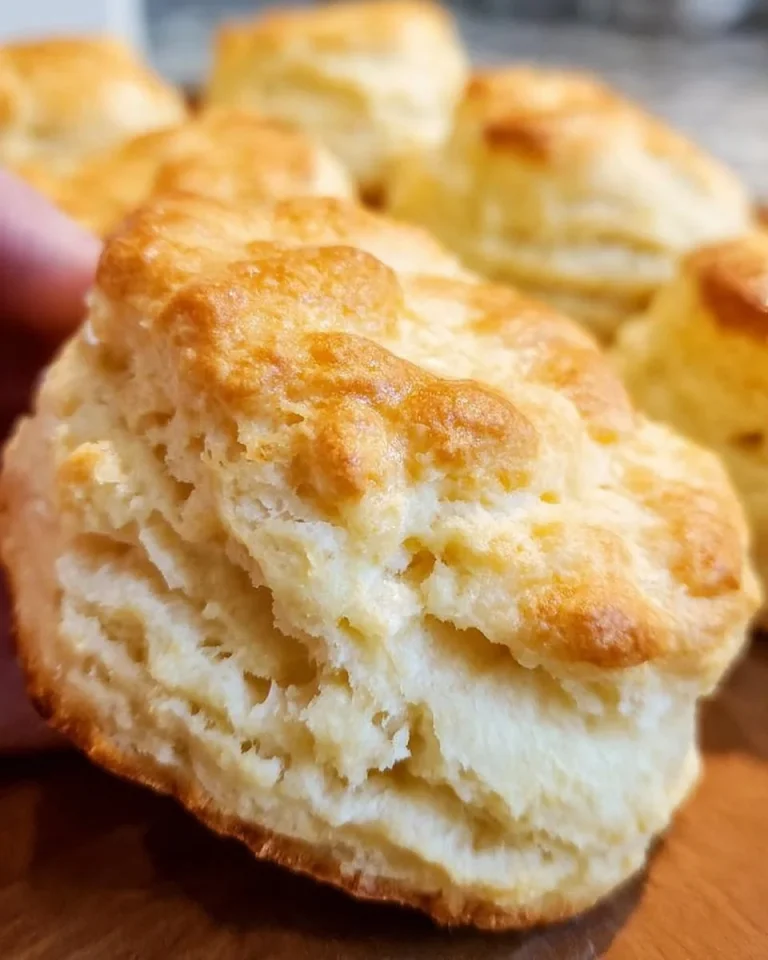
These biscuits are fast, forgiving, and reliably flaky. They use pantry staples and a short list of techniques that make big differences: keep the butter and liquid cold, don’t overwork the dough, and cut straight down with a sharp cutter for tall layers. They’re perfect for lazy Sunday mornings, last-minute guests, or whenever you want a warm, buttery vehicle for jam, sausage gravy, or fried chicken.
“Light, buttery, and so flaky — the whole family asked for seconds. Simple enough for a weekday, impressive enough for company.” — a quick review from one of my early testers
Step-by-step overview
- Mix dry ingredients and keep them cold.
- Cut cold butter into the flour until the mixture resembles coarse crumbs with pea-sized bits of butter.
- Stir in cold buttermilk or milk just until the dough holds.
- Turn out, fold lightly a few times, and pat to 1" thickness.
- Cut biscuits straight down, place on a sheet, bake at 425°F for 12–15 minutes until golden.
This overview helps you know what to expect: quick prep, minimal kneading, and a hot oven for good rise.
What you’ll need
- 2 cups all-purpose flour (substitute: 1½ cups all-purpose + ½ cup whole wheat for nuttier flavor)
- 1 tablespoon baking powder
- ½ teaspoon baking soda (only if using buttermilk)
- 1 teaspoon salt
- 1 tablespoon sugar (optional — balances flavors; omit for savory)
- ½ cup unsalted butter, cold and cubed (or frozen and grated — see tips)
- ¾ cup cold buttermilk or cold milk (buttermilk yields tang and tenderness)
Notes/substitutions: - For a dairy-free version, use a plant-based milk (unsweetened) plus 1 tablespoon lemon juice to mimic buttermilk, and use a solid vegetable shortening or vegan butter that’s very cold.
- If you only have self-rising flour, reduce baking powder and salt — see FAQs.
Step-by-step instructions
- Preheat the oven to 425°F (220°C). Lightly grease a baking sheet or line it with parchment.
- In a large bowl combine 2 cups all-purpose flour, 1 tablespoon baking powder, 1 teaspoon salt, and 1 tablespoon sugar. If using cold buttermilk, add ½ teaspoon baking soda and whisk to blend.
- Add ½ cup cold, cubed unsalted butter to the dry mix. Use a pastry cutter, two forks, or your fingertips to cut the butter in until the mixture looks crumbly with pea-sized butter pieces remaining.
- Pour in ¾ cup cold buttermilk or milk. Stir gently with a wooden spoon or spatula until the dough just comes together. It should be shaggy and slightly sticky. Resist overmixing.
- Turn the dough onto a lightly floured surface. Fold or knead very gently 3–4 times to bring it together — you want to preserve the butter pockets.
- Pat or roll the dough to about 1 inch thick. Don’t press hard; a light touch keeps the biscuits fluffy.
- Use a biscuit cutter or a drinking glass. Press straight down without twisting. Lift the cutter straight up to retain layers.
- Place biscuits on the prepared sheet. For soft sides, place them touching; for crispier edges, space them about 1 inch apart.
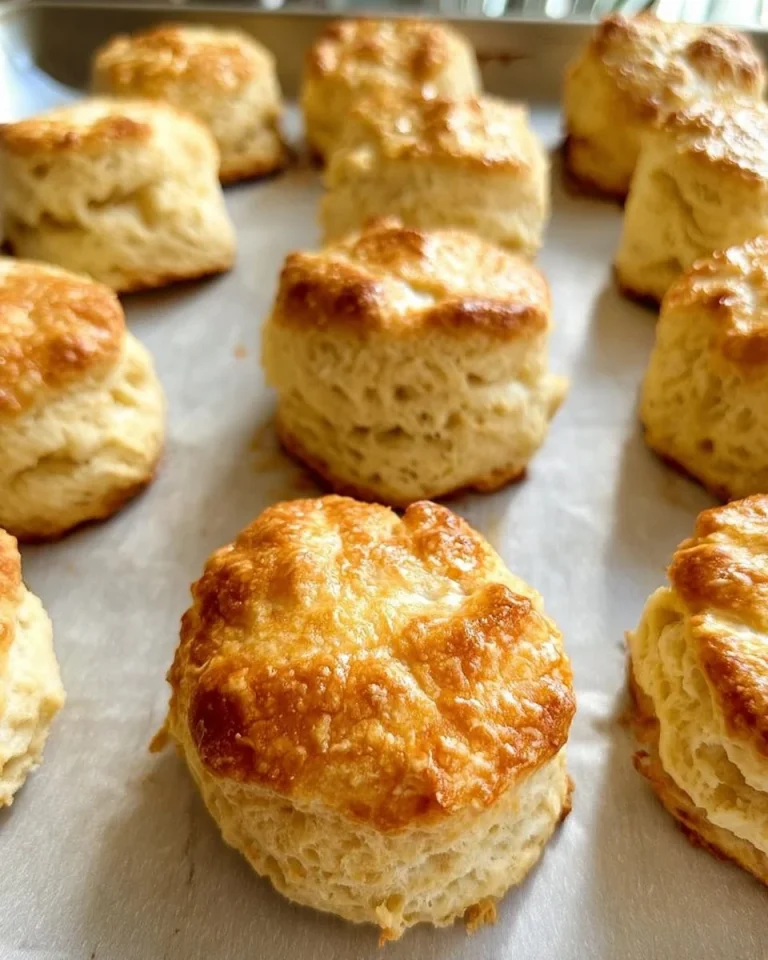
- Bake for 12–15 minutes, until the tops are golden brown and the bottoms are set.
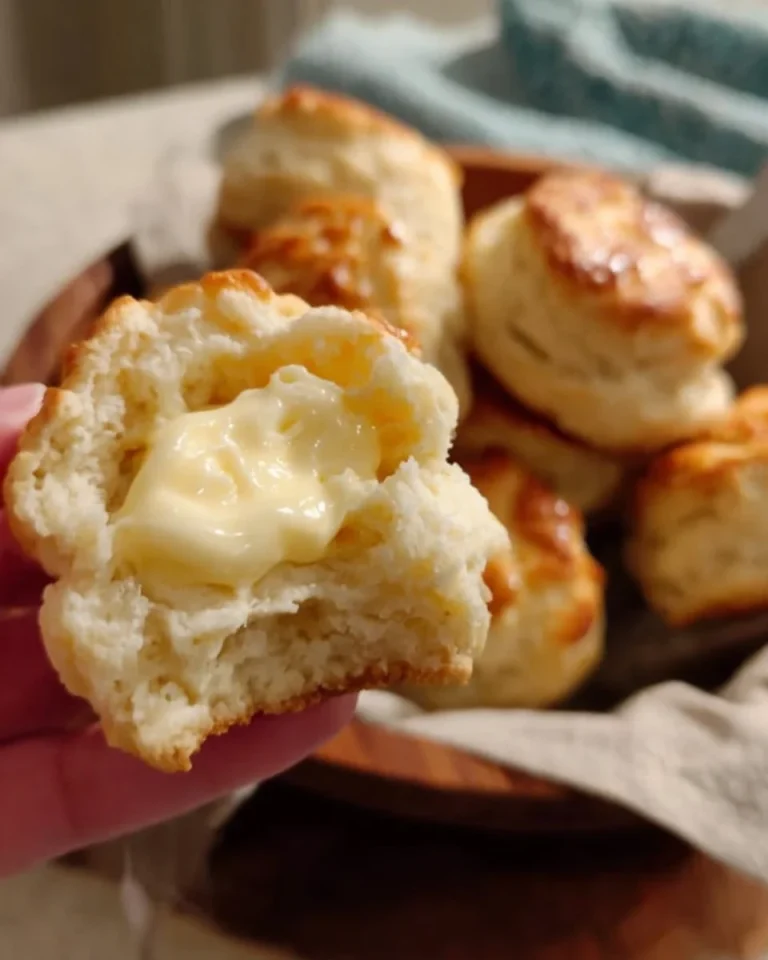
- Remove from the oven and cool a few minutes before serving. Serve warm with butter, honey, jam, or gravy.
How to plate and pair
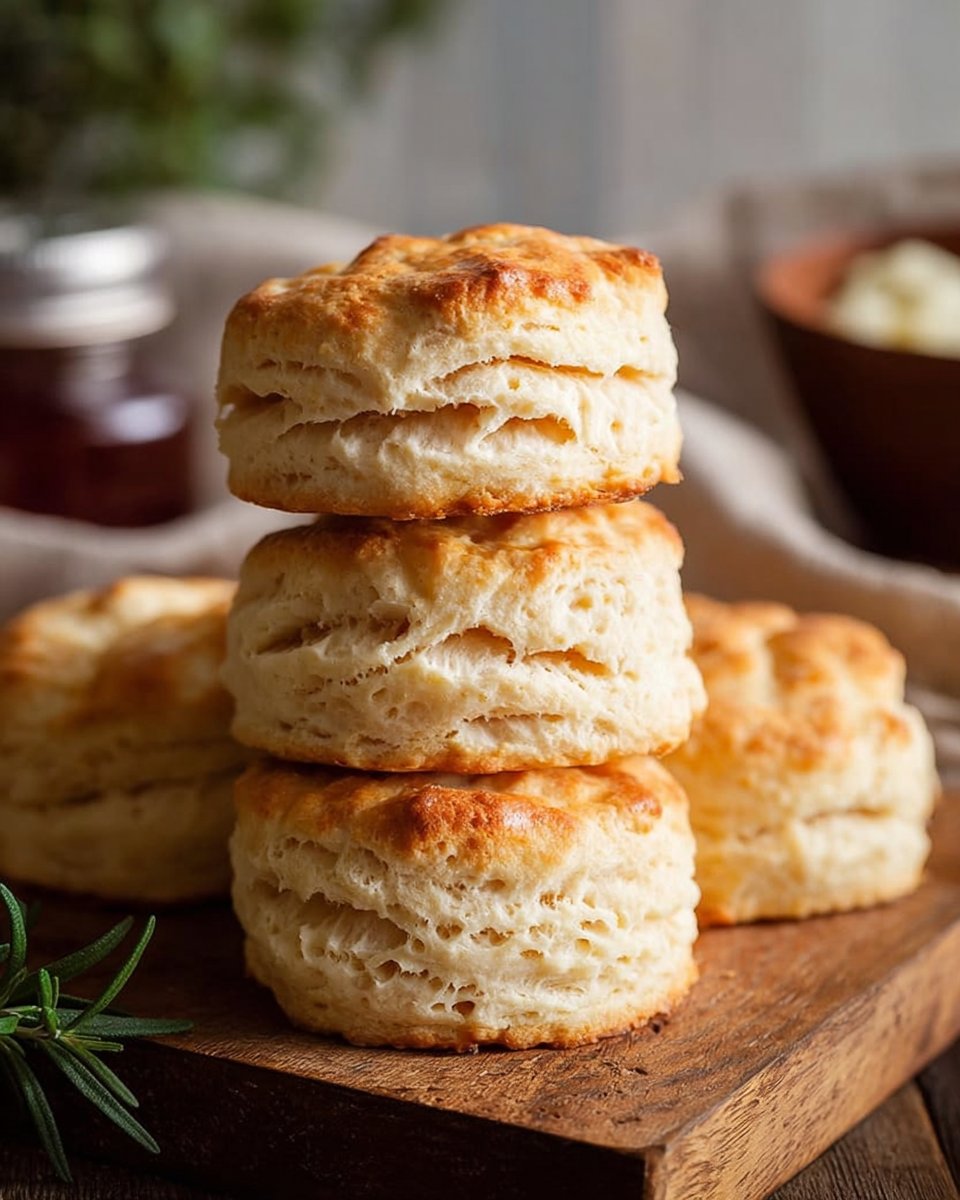
Serve these biscuits while warm. For breakfast, split and top with butter and honey or sausage gravy. For brunch, pair with scrambled eggs, smoked salmon, or a fresh fruit salad. For dinner, use them alongside fried chicken, pot roast, or a heavy stew — the biscuits soak up sauces beautifully. For a sweet presentation, brush warm biscuit tops with melted butter and a sprinkle of cinnamon sugar.
Storage and reheating tips
- Room temp: Store in an airtight container or resealable bag for up to 2 days.
- Refrigerator: Keep in an airtight container for up to 4 days.
- Freezing: Wrap biscuits individually in plastic wrap and place in a freezer bag. Freeze up to 3 months. Thaw at room temperature or reheat from frozen.
- Reheating: For best texture, reheat in a 350°F oven for 8–12 minutes (longer from frozen). Microwave will warm them but can make them a bit gummy; if using microwave, pop them in for 20–30 seconds then crisp in a toaster oven or skillet for a minute.
Food safety: discard biscuits left at room temperature for more than 2 hours (1 hour in hot environments). Cool completely before freezing to avoid ice crystals.
Pro chef tips
- Keep everything cold: Chill your butter, and even chill the mixing bowl if your kitchen is warm. Cold butter steams in the oven and makes flaky layers.
- Grate the butter: If short on time, freeze the butter and grate it with a box grater. It disperses quickly and stays cold.
- Don’t twist the cutter: Twisting seals the edges and inhibits rise. Cut straight down and lift.
- Use a sharp cutter and press firmly. A dull cutter compresses the dough and flattens biscuits.
- Layer for lift: Fold the dough over itself 2–3 times before final pat to create laminated layers.
- Egg wash optional: For shiny, golden tops, brush with a beaten egg mixed with 1 tablespoon water just before baking.
Creative twists
- Cheddar & chive: Fold ¾ cup shredded sharp cheddar and 2 tablespoons chopped chives into the dough.
- Buttermilk herb: Add 1 teaspoon dried thyme and 1 tablespoon fresh parsley, and serve with herb butter.
- Sweet honey biscuits: Replace 1 tablespoon sugar with 2 tablespoons honey and brush tops with honey butter after baking.
- Drop biscuits: For a rustic shortcut, spoon the dough onto the baking sheet in mounds for a craggier, quicker biscuit.
- Vegan: Use a plant butter and plant milk soured with lemon juice. Add 1 teaspoon baking powder extra if needed.
Your questions answered
Q: Can I use self-rising flour instead of all-purpose?
A: Yes — omit the baking powder and salt. Self-rising flour already contains leavening and salt. Use 2 cups self-rising flour and skip the baking powder and added salt; omit the baking soda unless using acidic buttermilk.
Q: What’s the difference between using milk and buttermilk?
A: Buttermilk reacts with baking soda to add lift, tang, and extra tenderness. If you use regular milk, omit the baking soda and rely on the baking powder only. Cold liquid is crucial either way.
Q: Why do biscuits turn out dense sometimes?
A: Common causes: butter too warm (melts into flour), overmixing (develops gluten), pressing or twisting the cutter, or oven not hot enough. Keep ingredients cold, mix just until combined, and use a hot oven (425°F).
Q: Can I make the dough ahead of time?
A: Yes. After cutting the biscuits, cover and refrigerate for up to 24 hours before baking. For longer storage, freeze unbaked biscuits on a tray, then transfer to a bag. Bake from frozen, adding a few extra minutes.
Conclusion
These biscuits are an easy, dependable recipe that rewards small techniques — cold butter, minimal mixing, and a hot oven — with big, buttery results. If you’d like more variations and photo steps, check out this detailed guide on Easy Homemade Biscuits – Sugar Spun Run. For another reliable, tested approach and troubleshooting tips, see Perfect Homemade Biscuits Every Time! | Mom On Timeout.

Flaky Buttermilk Biscuits
Ingredients
Method
- Preheat the oven to 425°F (220°C). Lightly grease a baking sheet or line it with parchment.
- In a large bowl, combine the dry ingredients: flour, baking powder, salt, and sugar. If using cold buttermilk, add baking soda and whisk to blend.
- Add the cold butter to the dry mix. Use a pastry cutter or two forks to cut the butter in until the mixture is crumbly with pea-sized butter pieces remaining.
- Pour in the buttermilk or milk. Stir gently until the dough just comes together, slightly sticky but shaggy. Don’t overmix.
- Turn the dough out onto a floured surface. Lightly fold or knead 3–4 times to combine, preserving the butter pockets.
- Pat or roll the dough to about 1 inch thick without pressing hard.
- Use a biscuit cutter or a drinking glass; press straight down and lift the cutter straight up to retain layers.
- Place the biscuits on the prepared sheet, touching for soft sides or spaced apart for crispier edges.
- Bake for 12–15 minutes until tops are golden brown and bottoms are set.
- Remove from the oven and cool a few minutes before serving.


One Comment