Classic New York Cheesecake

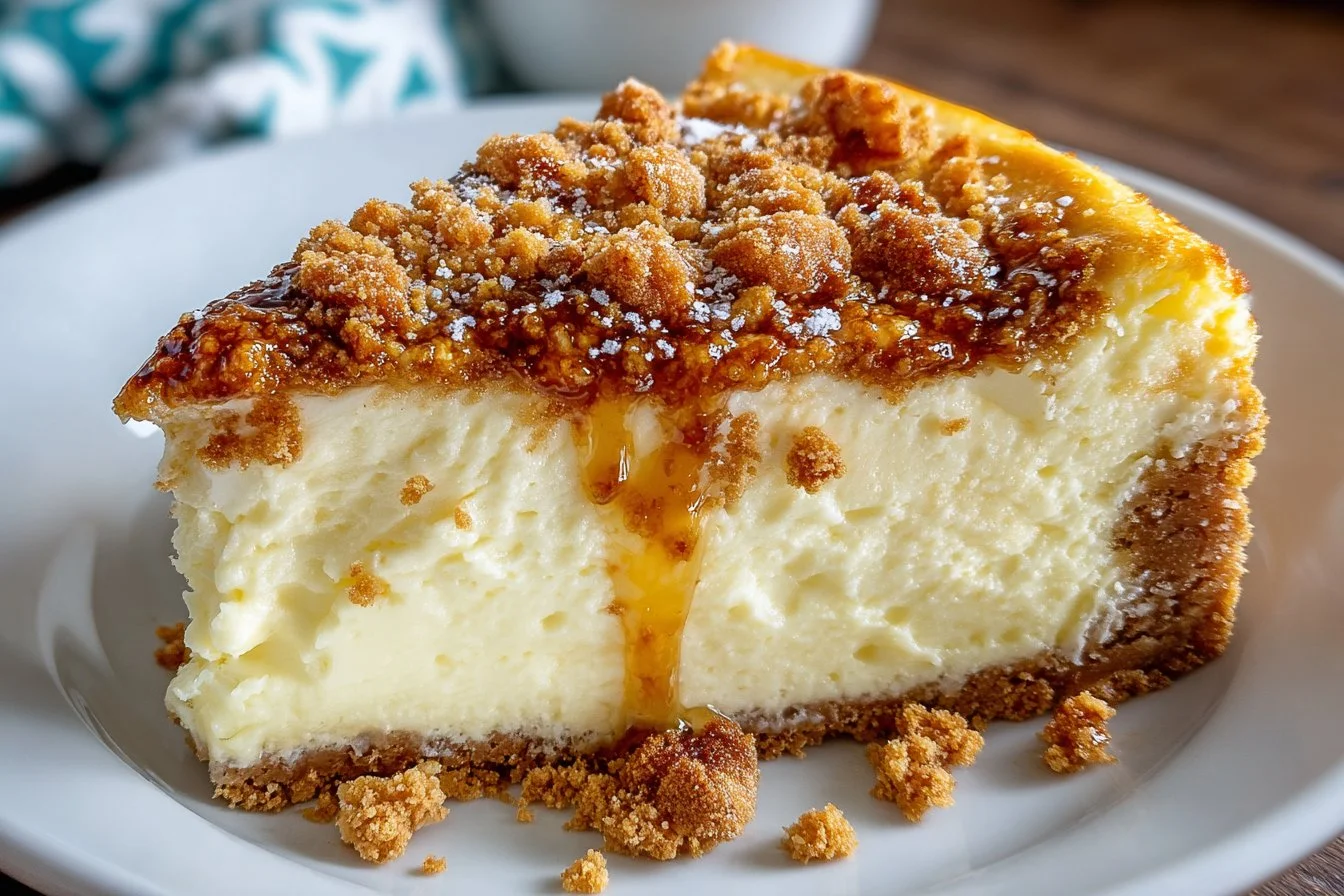
I’ve been making this Classic New York Cheesecake for years — it’s dense, tangy, and exactly what people picture when they say “cheesecake.” It’s the kind of dessert you bring to holidays, birthdays, or a weekend dinner when you want to impress without complicated techniques. If you like rich, crowd-pleasing desserts (or are experimenting with cheesecake-based treats like cheesecake-infused pastries), this recipe delivers the familiar creamy texture and buttery graham crust every time.
Why you’ll love this dish
This is the quintessential New York-style cheesecake: velvet-smooth cream cheese, a crisp graham-cracker base, and just enough lemon to brighten the richness. It’s ideal for special occasions when you want a dessert that feels elevated but is still straightforward to make. Because it’s made with pantry staples and a single 9-inch springform pan, it’s economical and scalable — double the recipe for a party or make minis for portion control.
“Dense, silky, and perfectly tangy — this cheesecake disappeared before coffee was even finished.” — a regular at my Sunday supper
Aside from classic celebrations, this cheesecake works well as a make-ahead showstopper: bake one day, chill overnight, and you’re set. For lighter dessert ideas that play nicely beside slices of cheesecake, try this apple-strawberry cheesecake fruit salad for a fresh counterpoint.
Preparing Classic New York Cheesecake
Step-by-step overview:
- Make the crust: combine graham crumbs and melted butter, press into a 9-inch springform pan.
- Whip the filling: beat room-temperature cream cheese smooth, add sugar, then fold in sour cream, lemon, vanilla and flour.
- Add eggs slowly: incorporate eggs one at a time on low speed to avoid over-aerating.
- Bake gently: pour into pan and bake until the center is just set.
- Chill thoroughly: cool to room temperature, then refrigerate for several hours to firm and develop flavor.
This short roadmap helps you scan the process before you begin. The keys are using room-temperature dairy for a lump-free batter and not whipping too much air into the filling.
What you’ll need
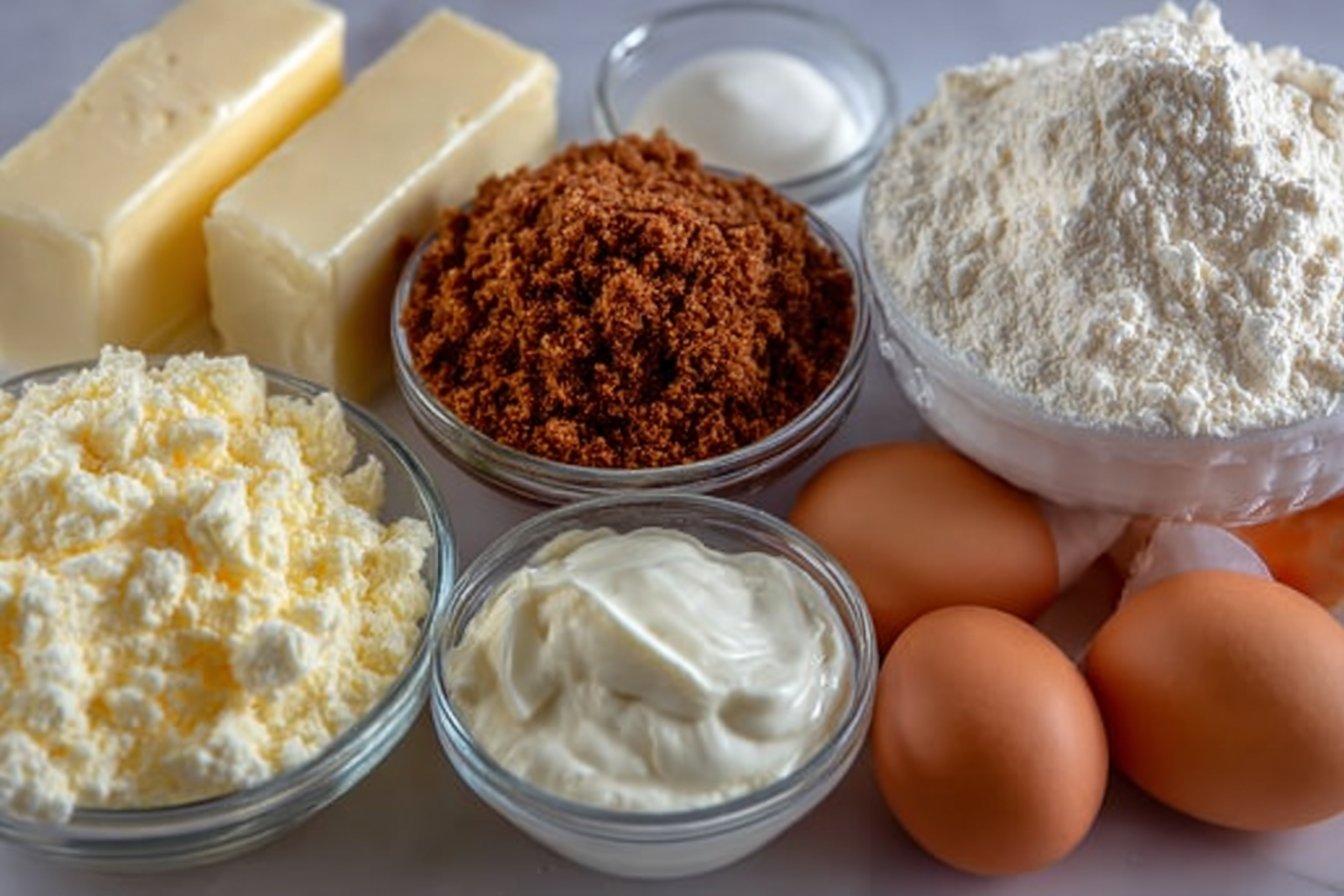
- 2 cups graham cracker crumbs (about 12–14 full crackers, finely crushed)
- 1/2 cup unsalted butter, melted
- 1 cup granulated sugar
- 4 packages (8 oz each) cream cheese, softened to room temperature
- 1 teaspoon vanilla extract
- 4 large eggs, room temperature
- 1 cup sour cream
- 1/4 cup all-purpose flour
- 1 tablespoon lemon juice (fresh is best)
Notes and substitutions:
- Want a gluten-free crust? Swap gluten-free graham crumbs or pulse gluten-free cookies.
- For a slightly tangier filling, increase lemon juice to 1.5 tablespoons.
- Low-fat cream cheese changes texture and won’t be as rich; full-fat gives the classic result.
Directions to follow
- Preheat the oven to 325°F (163°C). Position the rack in the lower third of the oven.
- Mix the crust: combine graham cracker crumbs and melted butter in a bowl. Press firmly into the bottom (and slightly up the sides if you like) of a 9-inch springform pan. Chill while you make the filling.
- Beat the cream cheese: in a large bowl or stand mixer, beat the softened cream cheese until smooth and free of lumps.
- Add sugar: gradually add the granulated sugar and mix until fully incorporated and silky.
- Add the wet ingredients: mix in the sour cream, vanilla extract, lemon juice, and flour until smooth. Scrape the bowl as needed.
- Add eggs slowly: add eggs one at a time, mixing on low speed and stopping as soon as each is incorporated — avoid whipping air into the batter.
- Pour and level: pour the batter over the chilled crust and smooth the top with a spatula.
- Bake: place the pan on a middle rack and bake for 55–60 minutes, or until the edges are set and the center jiggles slightly but is not liquid.
- Cool then chill: turn off the oven, crack the oven door, and let the cheesecake cool inside for 30–60 minutes to reduce cracking. Remove, cool to room temperature, then refrigerate for at least 4 hours (overnight is best) before serving.
Short, clear actions help reduce errors: room-temp ingredients, low-speed mixing, and gentle cooling are the difference between a crack-free, silky cheesecake and a disappointing one.
Best ways to enjoy it
Serve slices plain to appreciate the classic flavor. For a fancier presentation:
- Top with fresh berries or a simple cherry compote.
- Drizzle salted caramel or chocolate ganache for richness.
- Add a dollop of lightly sweetened whipped cream and lemon zest for brightness.
Pairings:
- Coffee, espresso, or a dessert wine like late-harvest Riesling complement the cheesecake’s richness.
- For brunch or a dessert table, serve alongside light fruit salads — it pairs nicely with a berry fruit cheesecake salad to balance the richness.
How to store & freeze
Short-term storage:
- Refrigerate covered for up to 4–5 days. Wrap the pan tightly with plastic wrap or transfer slices to an airtight container.
Freezing: - To freeze whole: pre-freeze uncovered until firm, then wrap tightly in plastic and foil. Freeze up to 2 months.
- To freeze slices: wrap individual slices in plastic and place in a freezer-safe container; freeze up to 2 months.
Thawing and reheating: - Thaw in the refrigerator overnight. If you prefer slightly warmer cheesecake, let slices sit at room temperature for 20–30 minutes before serving.
Food safety: - Keep refrigerated below 40°F (4°C). Discard leftovers after 4–5 days.
Pro chef tips
- Start with room-temperature cream cheese and eggs to avoid lumps. Cold blocks lead to grainy batter.
- Don’t overmix once the eggs are added — that incorporates extra air which causes cracks and uneven texture.
- Water bath option: for an ultra-creamy, crack-free top, place the springform pan in a larger pan, pour hot water halfway up the pan’s sides, and bake. Wrap the pan’s bottom in foil to prevent leaks.
- Test doneness by gently shaking the pan: the edges should be set and the center should have a slight jiggle. Internal temp ~150°F (65°C) is a good guide.
- Cool slowly to prevent sudden temperature shifts that lead to cracks — leaving the cake in the turned-off oven with the door ajar helps.
Creative twists
- Berry swirl: pureed raspberries folded into half the batter for a marbled effect.
- Lemon curd topping: brighten the dessert with a tart lemon layer.
- Chocolate crust: swap the graham crackers for Oreo crumbs and reduce sugar slightly.
- Mini cheesecakes: bake in muffin tins for individual portions — reduce bake time to 18–22 minutes.
- No-bake version: replace flour and baking step with gelatin-stabilized chilled filling for a summer-friendly cake.
Common questions
Q: Can I use low-fat cream cheese or Greek yogurt?
A: Low-fat cream cheese will yield a thinner, less creamy texture. Greek yogurt can be used in place of some sour cream, but use full-fat dairy for the authentic New York mouthfeel.
Q: My cheesecake cracked. What went wrong?
A: Cracks typically come from overbaked or over-aerated batter, rapid temperature changes, or not cooling slowly. Use room-temp ingredients, mix gently, and cool slowly (oven-door method or water bath helps).
Q: How long does this take start-to-finish?
A: Active prep is about 30–40 minutes. Baking is 55–60 minutes, plus at least 4 hours chilling (overnight recommended). Plan ahead — cheesecake benefits from time.
Q: Can I make this ahead for a party?
A: Yes. Cheesecake actually improves after a day in the fridge. Bake the day before, chill overnight, and it will slice cleanly for serving.
Q: Is a water bath necessary?
A: Not necessary, but it helps produce creamier texture and minimizes cracking. If you’re new to cheesecake or want a perfect top, use a water bath.
Conclusion
For a reliable, classic finish that’s both decadent and reassuringly familiar, this recipe checks all the boxes. If you’d like a video walkthrough to follow along while you bake, try this Classic New York Cheesecake Recipe (Video). For another tested written take with tips and photos, see new york cheesecake (rich & creamy!) – Blue Bowl.
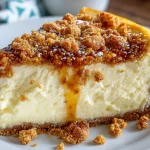
Classic New York Cheesecake
Ingredients
Method
- Preheat the oven to 325°F (163°C). Position the rack in the lower third of the oven.
- Mix the crust: combine graham cracker crumbs and melted butter in a bowl. Press firmly into the bottom (and slightly up the sides if you like) of a 9-inch springform pan. Chill while you make the filling.
- Beat the cream cheese: in a large bowl or stand mixer, beat the softened cream cheese until smooth and free of lumps.
- Add sugar: gradually add the granulated sugar and mix until fully incorporated and silky.
- Add the wet ingredients: mix in the sour cream, vanilla extract, lemon juice, and flour until smooth. Scrape the bowl as needed.
- Add eggs slowly: add eggs one at a time, mixing on low speed and stopping as soon as each is incorporated — avoid whipping air into the batter.
- Pour and level: pour the batter over the chilled crust and smooth the top with a spatula.
- Bake: place the pan on a middle rack and bake for 55–60 minutes, or until the edges are set and the center jiggles slightly but is not liquid.
- Cool and chill: turn off the oven, crack the oven door, and let the cheesecake cool inside for 30–60 minutes to reduce cracking. Remove, cool to room temperature, then refrigerate for at least 4 hours (overnight is best) before serving.