Super Soft Molasses Cookies

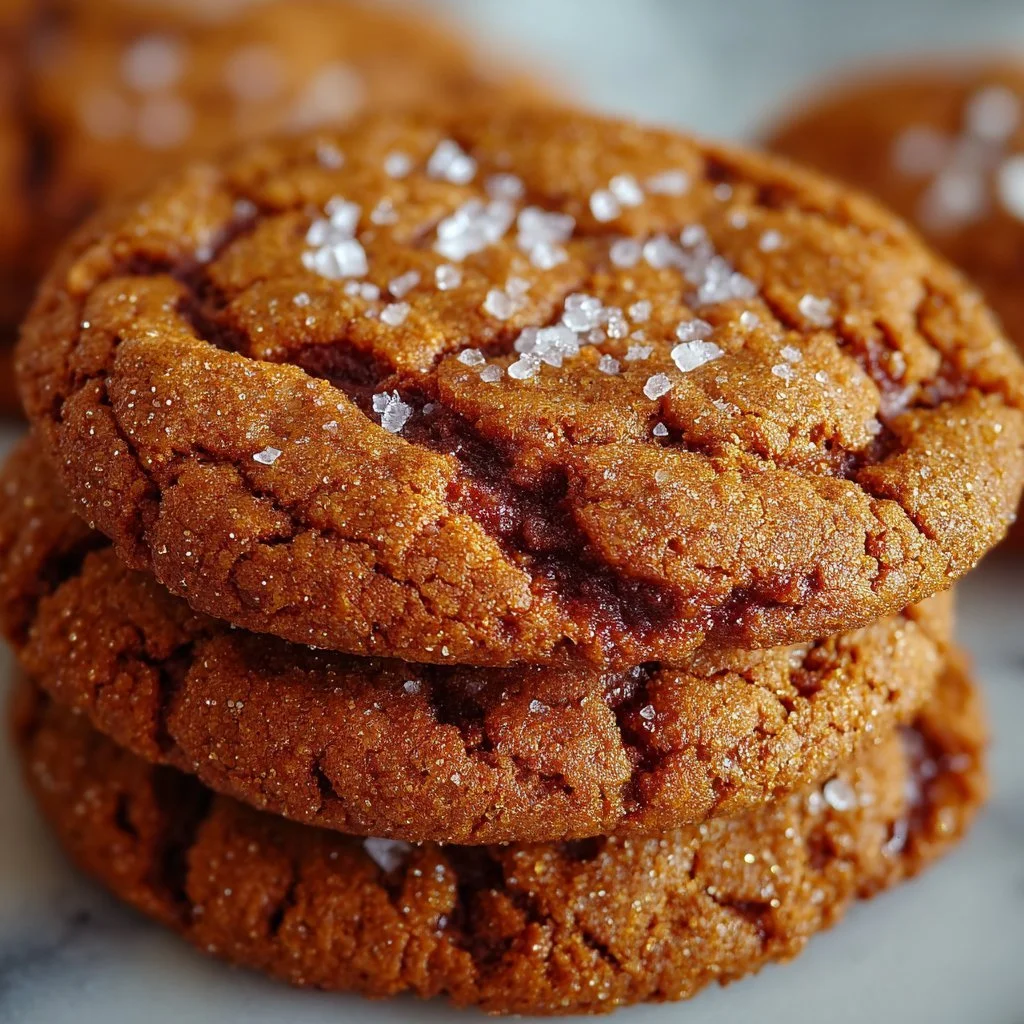
I grew up watching my mother roll molasses cookie dough in a bowl of sugar until each ball glittered — the smell of cinnamon and clove filling the kitchen. These Super Soft Molasses Cookies are that same cozy, chewy experience but streamlined for home bakers: oil keeps them tender, a short chill firms the dough for neat rounds, and a quick bake leaves the centers pillowy. If you like straightforward cookie recipes (think 3-ingredient sugar cookies), this one’s a must-try for holiday batches, school lunches, or an ordinary afternoon that needs a warm, spiced treat.
Why you’ll love this dish
Molasses cookies are comfort in bite-sized form. They’re fast to mix, use pantry-friendly spices, and rely on oil instead of butter, which keeps the crumb exceptionally soft and stores well. These cookies are ideal when you want something that tastes homemade without fuss — perfect for cookie exchanges, baking with kids, or when you want a slightly old-fashioned gingerbread flavor without a complicated technique.
“These cookies keep their softness for days and taste like the holidays — warm spices and rich molasses, but not too sweet.” — a satisfied home baker
They also play well with other simple sweets; if you enjoy playful spins on classics, try pairing them with creative sandwich cookies like brown sugar Pop-Tart cookies for a nostalgic dessert table.
The cooking process explained
Quick overview — you’ll whisk the dry spices and flour, cream oil and sugar, then add molasses and an egg for structure. Folding the dry mix in gently prevents overworking gluten so the cookies stay tender. A two-hour chill firms the dough (so cookies don’t spread into thin disks), then you roll the dough into 1-inch balls, coat them in sugar for a sparkly crust, and bake just until puffy. A short rest on the sheet lets them finish setting before you move them to a rack.
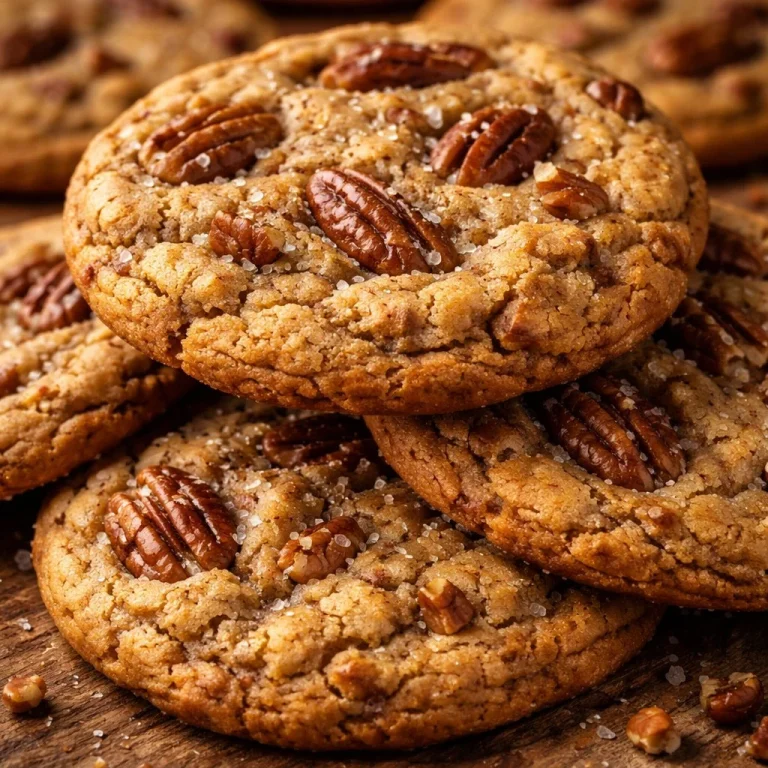
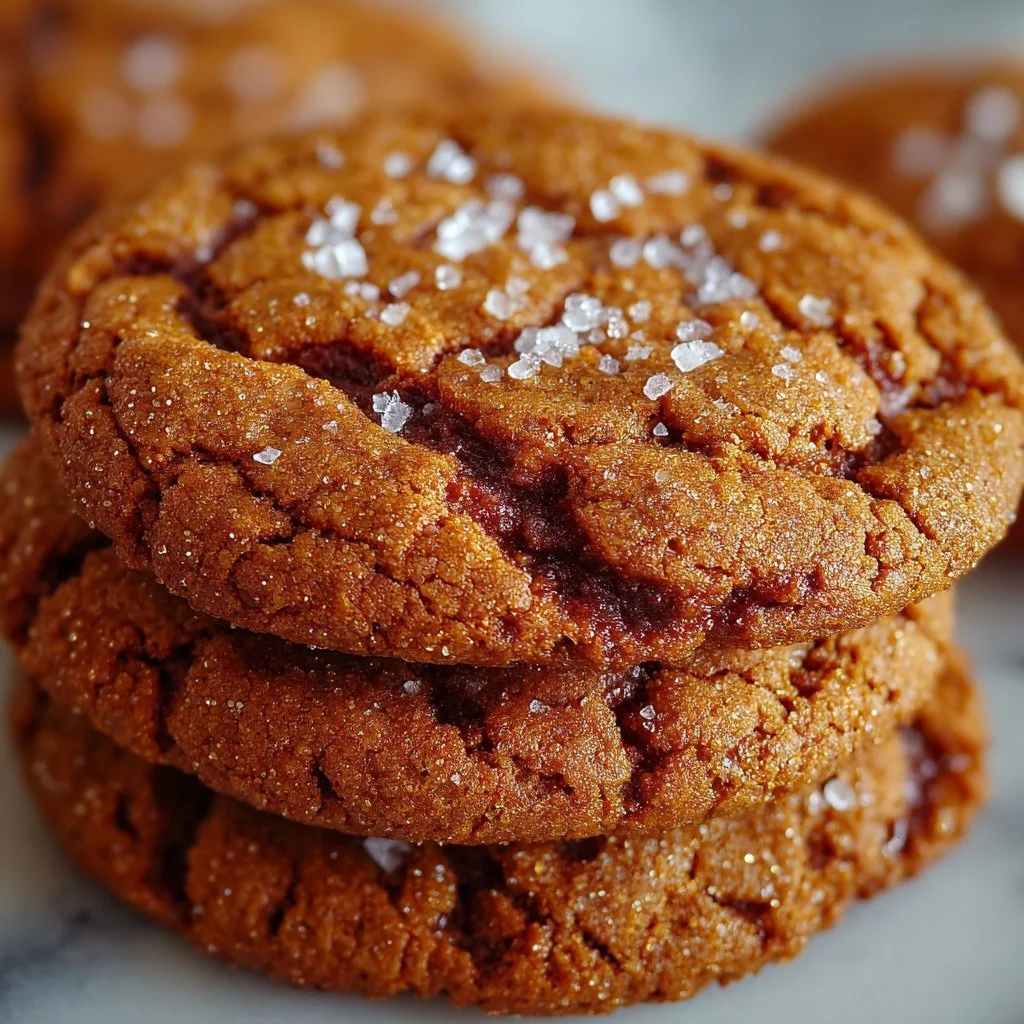
This approach keeps the cookies soft inside with slightly crackled tops — a texture many people search for when they want “soft molasses cookies.”
Gather these items
- 2 cups all-purpose flour
- 1/2 teaspoon ground cloves
- 1/2 teaspoon ground ginger
- 2 teaspoons baking soda
- 1 teaspoon ground cinnamon
- 1/2 teaspoon salt
- 3/4 cup vegetable oil (see notes)
- 1 cup granulated sugar (plus extra for rolling)
- 1/4 cup full-flavored molasses
- 1 large egg, room temperature
Notes and substitutions:
- Oil vs. butter: oil gives a softer, more tender crumb and a longer shelf life. If you prefer butter’s flavor, swap in 3/4 cup melted unsalted butter, chill a bit longer, and expect a slightly crisper edge. For a buttery reference and inspiration, look at this buttery 3-ingredient shortbread to understand how butter changes texture.
- Molasses: use full-flavored (robust) molasses for the classic taste. Light molasses yields a milder result.
- Egg alternatives: for a vegan swap, use a flax “egg” (1 tbsp ground flax + 3 tbsp water, chilled) but texture will differ.
- Spices: ramp up ginger for more bite, or add a pinch of nutmeg for warmth.

How to prepare it
- Preheat the oven to 375°F and line baking sheets with parchment.
- In a medium bowl, whisk together the flour, ground cloves, ground ginger, baking soda, cinnamon, and salt until evenly combined.
- In a large mixing bowl, beat the vegetable oil and 1 cup granulated sugar together until well blended and slightly glossy.
- Add the molasses and mix until incorporated. Then add the egg and beat until the mixture is smooth.
- Fold the dry ingredients into the wet mixture just until combined; stop when there are no streaks of flour. Overmixing makes cookies tough.
- Cover and chill the dough for at least 2 hours until firm. This reduces spread and concentrates flavors.
- Scoop the dough into 1-inch balls (about 1 tablespoon each), roll each ball in extra granulated sugar, and arrange 2 inches apart on the prepared baking sheets.
- Bake for 8–10 minutes, until the cookies are puffy and the tops show small cracks; centers will look slightly underbaked but set as they cool.
- Let the cookies rest on the baking sheet for 5 minutes, then transfer to a wire rack to cool completely.
Short, active sentences make the process easy to follow; timing and chilling are the two keys to consistent results.
Best ways to enjoy it
Serve these cookies warm with a pat of butter on the side for spreading, or plate them with a scoop of vanilla ice cream for an indulgent dessert. They’re excellent with:
- A cup of strong coffee or spiced chai.
- A glass of milk for kids’ snack time.
- Mini cookie sandwiches: spread cream cheese frosting or salted caramel between two cookies.
- A holiday cookie platter alongside ginger snaps and shortbread.
For gatherings, place the cookies in a shallow basket lined with a linen napkin so they stay soft and inviting.
How to store & freeze
- Room temperature: Store in an airtight container for up to 5 days. Add a slice of bread to help maintain softness (change the bread every 24 hours).
- Refrigeration: Not necessary and can dry cookies out; only refrigerate if your kitchen is very hot — use an airtight container and return to room temp before serving.
- Freezing baked cookies: Flash-freeze single-layer on a baking sheet, then transfer to a zip-top bag for up to 3 months. Thaw at room temperature.
- Freezing dough: After rolling into sugar-coated balls, freeze on a tray until solid, then store in a bag for up to 3 months. Bake from frozen, adding 1–2 minutes to baking time.
Food safety: these cookies contain a cooked egg; because they’re fully baked, they’re safe to store following standard fridge/freezer guidelines. Thaw frozen dough in the fridge overnight if you prefer softer dough handling before baking.
Pro chef tips
- Measure flour correctly: spoon the flour into the cup and level with a knife. Too much flour dries the cookies.
- Chill even if you’re in a rush: a quick 30–60 minute chill helps, but 2 hours is ideal for minimal spread.
- Sugar roll texture: coarse sugar creates a sparkly exterior; superfine sugar gives a smoother sheen.
- Watch the bake time: pull when tops are puffed and cracked; they’ll finish in the residual heat and stay soft.
- Even baking: rotate sheets halfway through if your oven has hot spots.
If you love soft, quick bakes, you might also enjoy different tender baked goods like these fluffy biscuits for breakfast inspiration: buttery 7-Up biscuits.
Flavor swaps
- Ginger boost: increase ground ginger to 1 teaspoon for a sharper bite.
- Citrus molasses: add 1 tsp orange zest to the dough for bright notes that pair beautifully with molasses.
- Brown sugar option: replace half the granulated sugar with light brown sugar for a deeper caramel flavor.
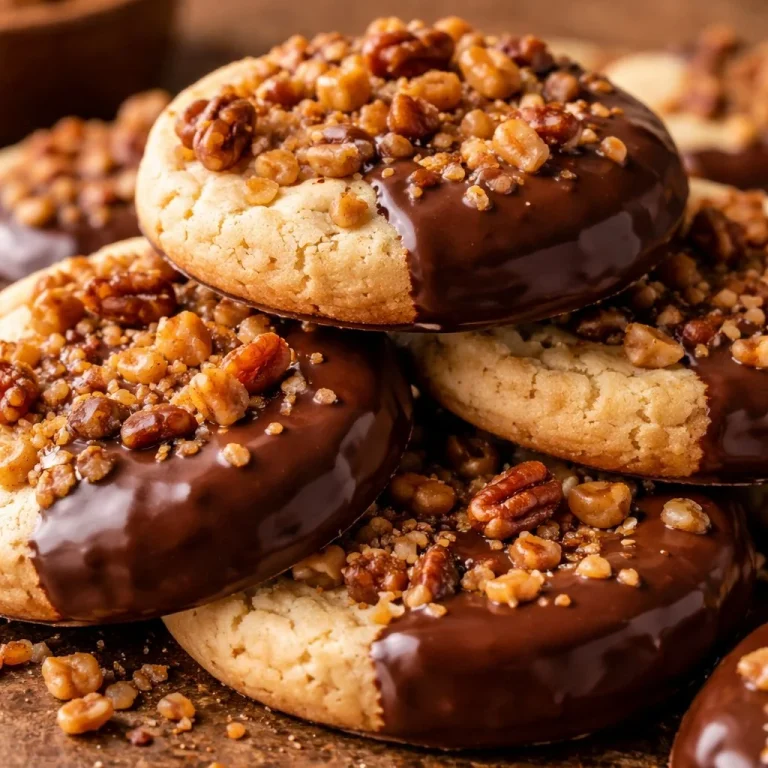
- Chocolate dip: once cooled, dip half of each cookie in melted dark chocolate and let set.
- Gluten-free: swap a 1:1 gluten-free flour blend that includes xanthan gum; expect a slightly different crumb.
- Vegan: use a flax egg and a vegan margarine swap for oil (or stick with oil) — texture will be close but not identical.
FAQ
Q: Can I use butter instead of vegetable oil?
A: Yes. Use 3/4 cup melted unsalted butter in place of the oil. Butter adds flavor and can produce crisper edges; chill the dough a little longer to control spread.
Q: Why do I need to chill the dough — can I skip it?
A: Chilling firms the dough so the cookies hold their shape and stay soft inside without spreading too thin. If you skip it, expect flatter, possibly crisper cookies.
Q: How do I keep the cookies soft for several days?
A: Store in an airtight container at room temperature with a slice of fresh bread or a few apple slices (monitor and replace daily). Don’t refrigerate unless necessary.
Q: Can I freeze the dough and bake later?
A: Absolutely. Freeze rolled, sugared balls on a tray until solid, then store in a freezer-safe bag for up to 3 months. Bake from frozen, adding 1–2 minutes to the bake time.
Q: My cookies are too cakey — what went wrong?
A: Overmixing after adding flour, too much flour, or too much leavening can cause cakiness. Measure flour properly and fold just until combined.
Conclusion
Whether you’re baking for the holidays or a simple sweet craving, these Super Soft Molasses Cookies balance spice, chew, and ease. For variations and technique guides from trusted baking authors, see Seriously Soft Molasses Cookies – Sally’s Baking for a tested soft-cookie approach, and compare with the method in Soft Molasses Cookies Recipe | Cook the Book for a deeper dive into texture and timing.
Super Soft Molasses Cookies
Ingredients
Method
- Preheat the oven to 375°F and line baking sheets with parchment.
- In a medium bowl, whisk together the flour, ground cloves, ground ginger, baking soda, cinnamon, and salt until evenly combined.
- In a large mixing bowl, beat the vegetable oil and 1 cup granulated sugar together until well blended and slightly glossy.
- Add the molasses and mix until incorporated, then add the egg and beat until smooth.
- Fold the dry ingredients into the wet mixture just until combined. Do not overmix.
- Cover and chill the dough for at least 2 hours until firm.
- Scoop the dough into 1-inch balls and roll in extra granulated sugar.
- Arrange balls 2 inches apart on the prepared baking sheets.
- Bake for 8–10 minutes, until puffy and tops show small cracks.
- Let cookies rest on the baking sheet for 5 minutes before transferring to a wire rack to cool completely.