Lemon Lavender Loaf Cake

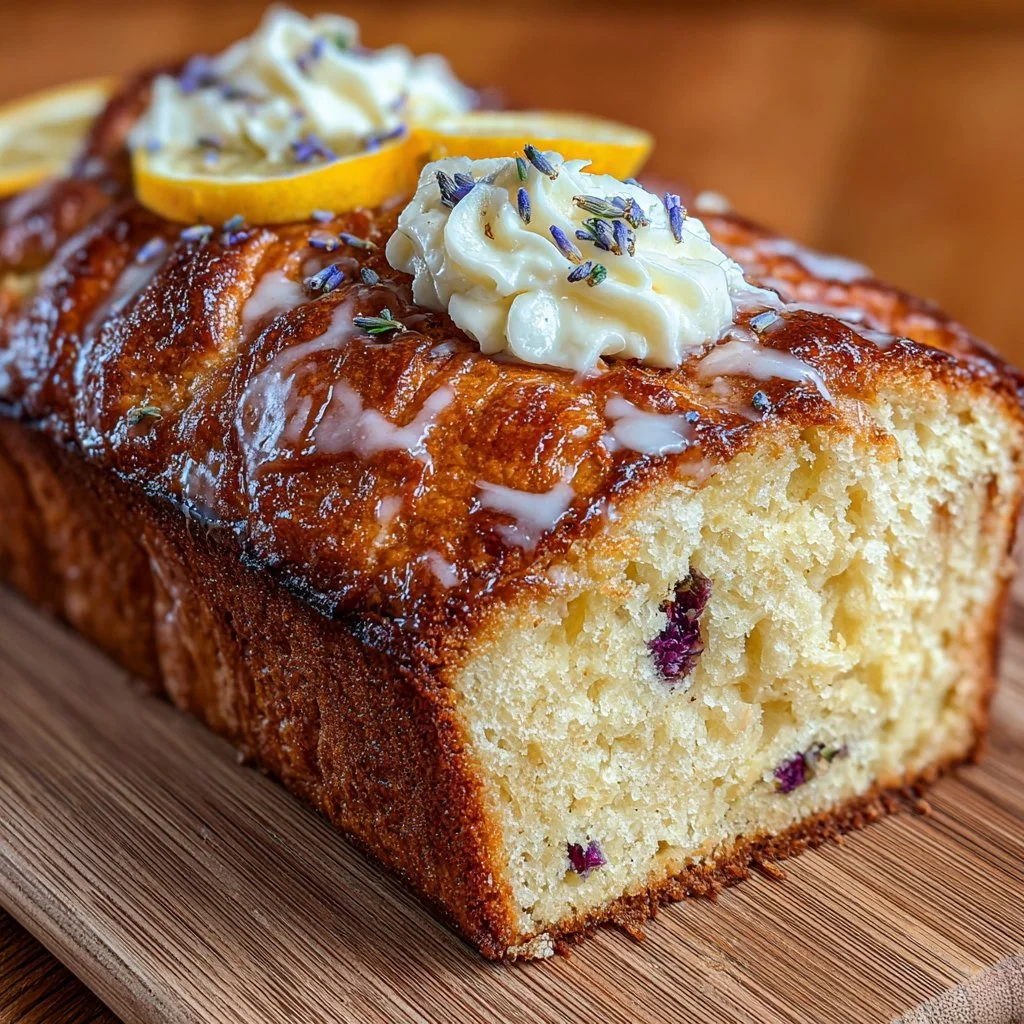
I’ve made this lemon lavender loaf cake more times than I can count—it’s the cake I bring to summer brunches and quiet afternoon tea. Bright lemon, floral culinary lavender, and a silky glaze make a simple loaf feel special without hours of fuss. If you like compact, sliceable cakes that travel well and keep for a few days, this is one to bookmark; it’s also a great canvas for experimenting with glazes and extracts or pairing with lighter treats like 2-ingredient baked cake donuts for a brunch spread.
Why you’ll love this dish
This loaf is one of those recipes that hits comforting and refined notes at once. It’s:
- Low-effort: no creaming butter and sugar—oil keeps the batter quick to mix and the crumb moist.
- Bright and floral: lemon zest + juice gives zing; culinary lavender adds a subtle perfume.
- Versatile: serve it for brunch, a light dessert, afternoon tea, or pack it for picnics.
- Crowd-pleasing: not overly sweet once glazed; kids and adults both tend to enjoy it.
“A loaf that tastes like sunshine—zesty, fragrant, and perfectly moist. I doubled the glaze and nobody complained.” — a regular at my weekend brunches
How this recipe comes together
This is a straightforward loaf that follows a simple wet-then-dry rhythm. You whisk oil and sugar, add eggs and flavorings, fold in yogurt and lemon juice, then alternate in the dry ingredients so you don’t overwork the batter. Lavender is folded in gently near the end. Bake until a skewer comes out clean or with just a few moist crumbs, cool, then top with a thin, tangy glaze.
What you’ll need
- 3/4 cup vegetable oil (neutral-flavored)
- 2 tsp culinary lavender, dried and food-grade (finely crushed)
- 2 1/2 cups all-purpose flour
- 1 1/2 tsp baking powder
- 1/2 tsp salt
- 1 1/2 cups granulated sugar
- Zest of 2 lemons (preferably organic)
- 3 eggs
- 1 tsp vanilla extract
- 3/4 cup plain yogurt (Greek or regular)
- Juice of 2 lemons (about 1/4–1/3 cup)
For the glaze: - 1 1/2 cups confectioners’ (powdered) sugar, sifted
- 1/2 tbsp vegetable oil
- 2–4 tbsp boiling water (adjust for consistency)
- 1 tsp vanilla extract
- Pinch of salt
- Purple food colouring (optional; a drop or two for a lavender tint)
Notes/substitutions:
- Swap neutral oil for light olive oil for a slightly fruitier crumb.
- Yogurt can be swapped for sour cream for extra richness, or for a non-dairy yogurt to make it dairy-free.
- If you prefer less floral flavor, use 1 tsp lavender and steep it briefly in the lemon juice, then strain before adding.

Step-by-step instructions
- Preheat the oven to 350°F (175°C). Grease a 9×5-inch loaf pan and line it with parchment so you can lift the loaf out easily.
- Whisk together 2 1/2 cups flour, 1 1/2 tsp baking powder, and 1/2 tsp salt in a medium bowl. Set aside.
- In a large bowl, whisk 3/4 cup vegetable oil and 1 1/2 cups sugar until glossy and combined. Add lemon zest.
- Add eggs one at a time, whisking after each until smooth. Stir in 1 tsp vanilla.
- Stir in 3/4 cup plain yogurt and half of the lemon juice (about half the juice of 2 lemons) just until mixed.
- Add the dry ingredients to the wet in two additions, alternating and mixing gently. Pour in the remaining lemon juice with the second addition. Stop when the batter is homogeneous—don’t overmix.
- Fold in 2 tsp finely crushed culinary lavender. Be gentle; you want aroma, not purple streaks.
- Pour batter into the prepared pan and smooth the top. Bake 50–60 minutes, checking at 45 minutes. A skewer inserted in the center should come out clean or with a few moist crumbs. If the top browns too quickly, tent with foil.
- Cool in the pan 10–15 minutes, then transfer to a wire rack to cool completely.
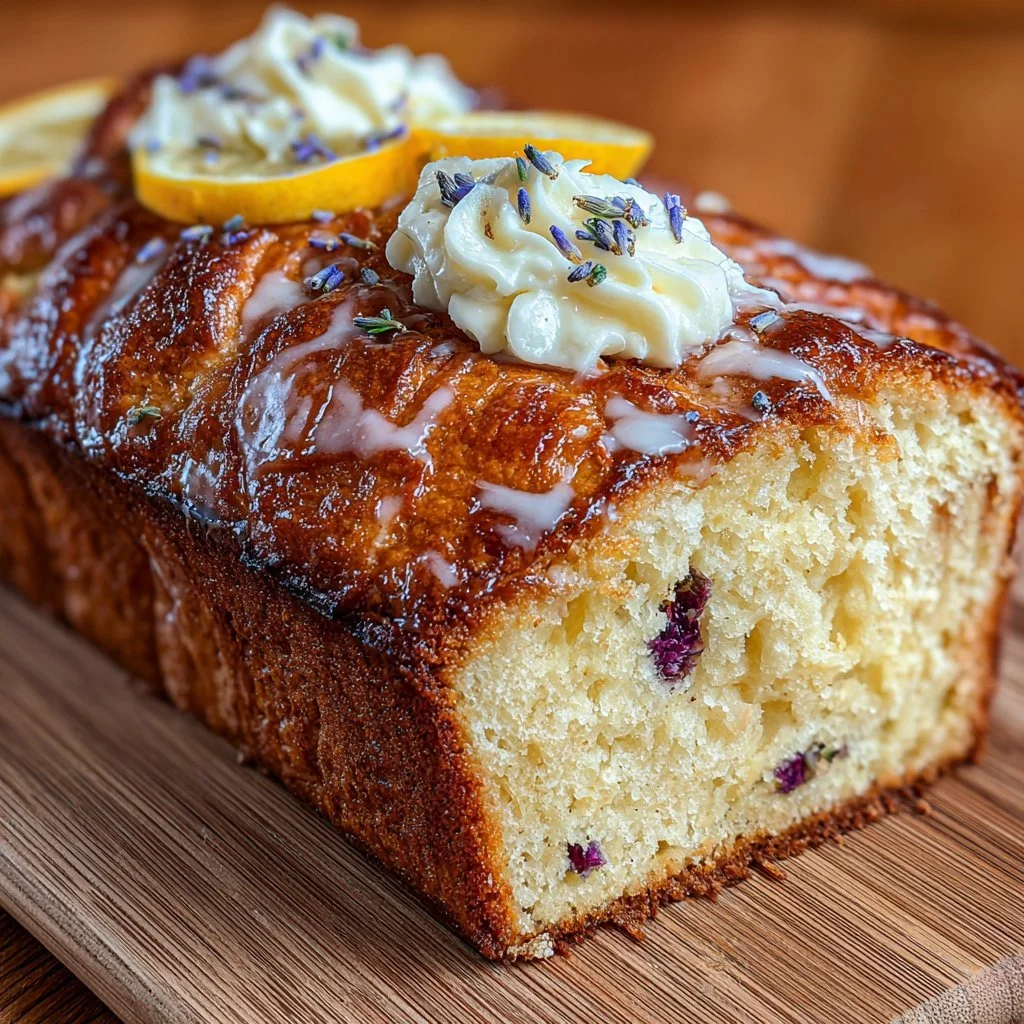
- For the glaze: sift 1 1/2 cups confectioners’ sugar into a bowl. Stir in 1/2 tbsp oil, 1 tsp vanilla, a pinch of salt, and 2 tbsp boiling water. Add more water, a teaspoon at a time, until the glaze is pourable but not runny. Add a drop of purple food colouring if you want a pale lavender tint.
- Once the loaf is cool, pour the glaze over and let it set 15 minutes before slicing.
Best ways to enjoy it
Serve slices slightly warmed or at room temperature. Pair it with:
- A cup of Earl Grey or a lemony green tea for afternoon tea.
- Fresh berries and a spoonful of whipped cream for a light dessert.
- For a brunch menu, counter the sweetness with a savory dish like avgolemono soup (Greek chicken-lemon soup) or simple scrambled eggs.
Storage and reheating tips
- Room temperature: Wrap the cooled loaf tightly in plastic wrap or keep in an airtight container for up to 3 days.
- Refrigeration: Store up to 5 days; bring slices back to room temperature before serving to regain softness.
- Freezing: Slice and freeze individually wrapped for up to 3 months. Thaw at room temperature or gently reheat in a low oven.
- Reheating: Microwave a slice for 10–12 seconds or warm in a 300°F (150°C) oven for 8–10 minutes. Avoid overheating—the glaze can melt and the loaf will dry out.
Extra advice
- Grind the lavender lightly between your fingers or a mortar and pestle. Whole buds can be chewy.
- Zest before juicing the lemons—zesting wet fruit is harder.
- If your lavender is very potent, toast it briefly in a dry skillet for 30 seconds to temper bitterness.
- Use room-temperature eggs for better emulsion and even rise.
- For a smoother glaze, always sift the powdered sugar to remove lumps.
Flavor swaps
- Honey-lemon: Replace 1/3 cup sugar with honey and reduce liquid slightly for a floral honey note.
- Blueberry-lavender: Fold 3/4 cup fresh or frozen blueberries into the batter (toss frozen with a tablespoon of flour first).
- Gluten-free: Substitute a cup-for-cup gluten-free all-purpose flour blend and add 1/2 tsp xanthan gum if your blend lacks it.
- Vegan: Use a vegan yogurt, 3 flax-eggs (3 tbsp ground flax + 9 tbsp water, chilled 10 minutes), and a non-dairy neutral oil.
- For a brunch board, serve thin slices alongside fruit salads such as a apple-strawberry cheesecake fruit salad or a berry fruit cheesecake salad for variety.
Your questions answered
Q: Can I use fresh lavender?
A: Culinary lavender is typically dried. If you use fresh, reduce the amount (start with 1 tsp finely chopped) and make sure it’s pesticide-free. Dried, food-grade lavender gives a more consistent flavor.
Q: Is it safe to use lavender in baking?
A: Yes—use culinary (food-grade) lavender. Garden or ornamental varieties may be treated with pesticides and aren’t recommended for eating.
Q: Can I make this nut-free/dairy-free?
A: For dairy-free, swap yogurt for non-dairy yogurt and use a plant-based milk if needed. The recipe is nut-free as written, but always check ingredient labels if serving someone with allergies.
Q: How can I prevent a dry loaf?
A: Don’t overmix the batter, measure flour by spooning into the cup and leveling it, and don’t overbake—start checking at 45 minutes. Oil and yogurt help keep it tender.
Q: Can I double the recipe for two loaves?
A: Yes—divide the batter between two 9×5 pans and reduce bake time slightly (start checking at 40 minutes). Rotate pans halfway through for even baking.
Conclusion
This lemon lavender loaf cake is an easy way to add floral sophistication to weeknight tea or weekend brunch—a straightforward batter, a quick glaze, and plenty of room for creative swaps. For another tested take and extra technique notes, see a foolproof aromatic lavender lemon loaf recipe, and for a simple, approachable version you can compare techniques with an easy lemon lavender loaf recipe.
Lemon Lavender Loaf Cake
Ingredients
Method
- Preheat the oven to 350°F (175°C). Grease a 9x5-inch loaf pan and line it with parchment.
- In a medium bowl, whisk together 2 1/2 cups flour, 1 1/2 tsp baking powder, and 1/2 tsp salt. Set aside.
- In a large bowl, whisk 3/4 cup vegetable oil and 1 1/2 cups sugar until glossy and combined. Add lemon zest.
- Add eggs one at a time, whisking after each until smooth. Stir in 1 tsp vanilla.
- Stir in 3/4 cup plain yogurt and half of the lemon juice just until mixed.
- Add the dry ingredients to the wet in two additions, alternating and mixing gently. Pour in the remaining lemon juice with the second addition. Stop when the batter is homogeneous.
- Fold in 2 tsp finely crushed culinary lavender gently.
- Pour batter into the prepared pan and smooth the top. Bake for 50–60 minutes, checking at 45 minutes. A skewer inserted in the center should come out clean or with a few moist crumbs.
- Cool in the pan for 10–15 minutes, then transfer to a wire rack to cool completely.
- Sift 1 1/2 cups confectioners' sugar into a bowl. Stir in 1/2 tbsp oil, 1 tsp vanilla, a pinch of salt, and 2 tbsp boiling water. Add more water until the glaze is pourable but not runny.
- Once the loaf is cool, pour the glaze over and let it set for 15 minutes before slicing.