Coconut Oat Cookies

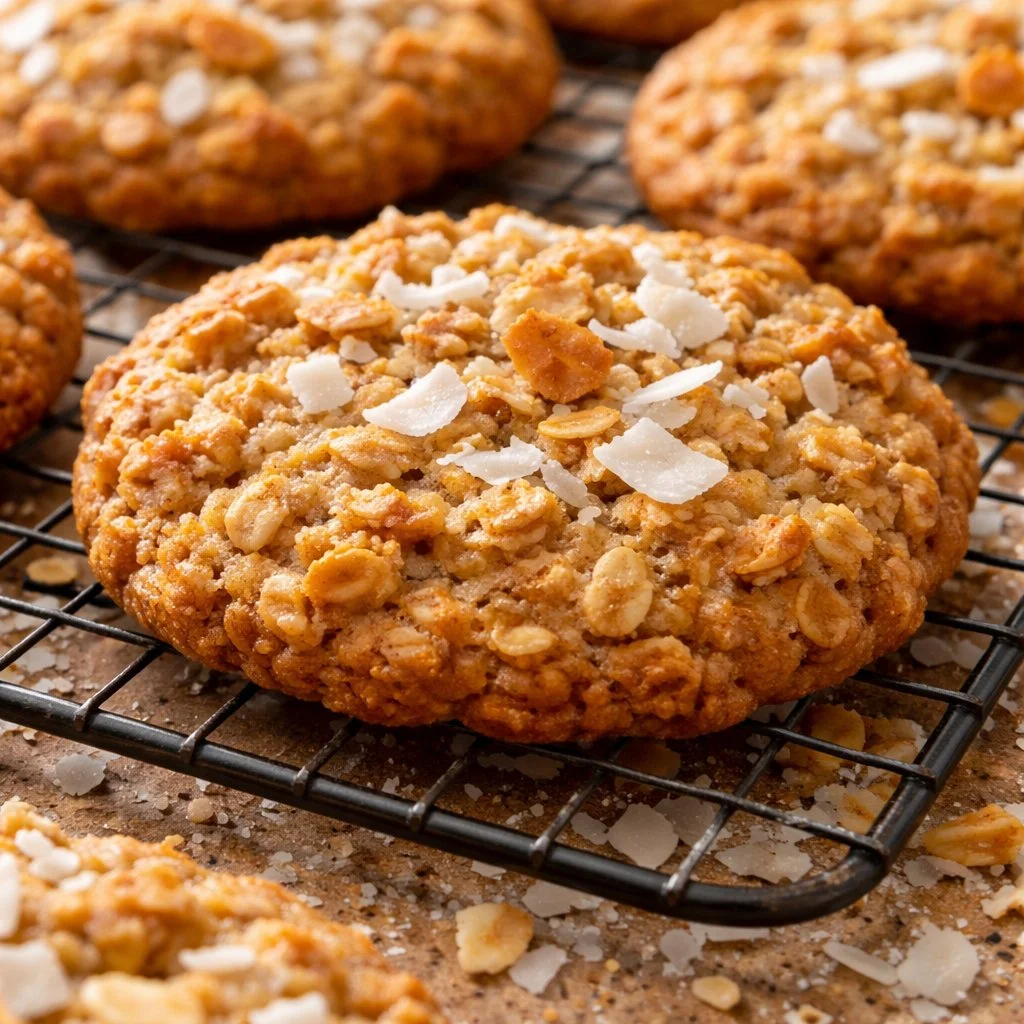
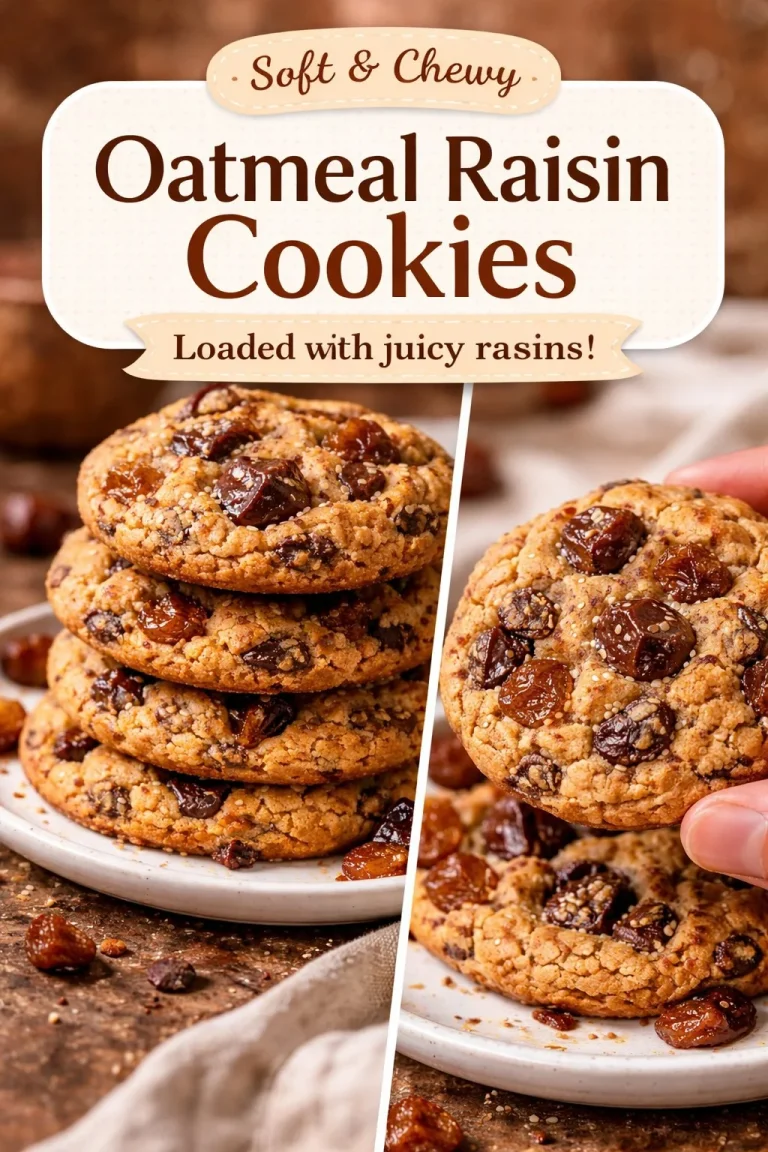
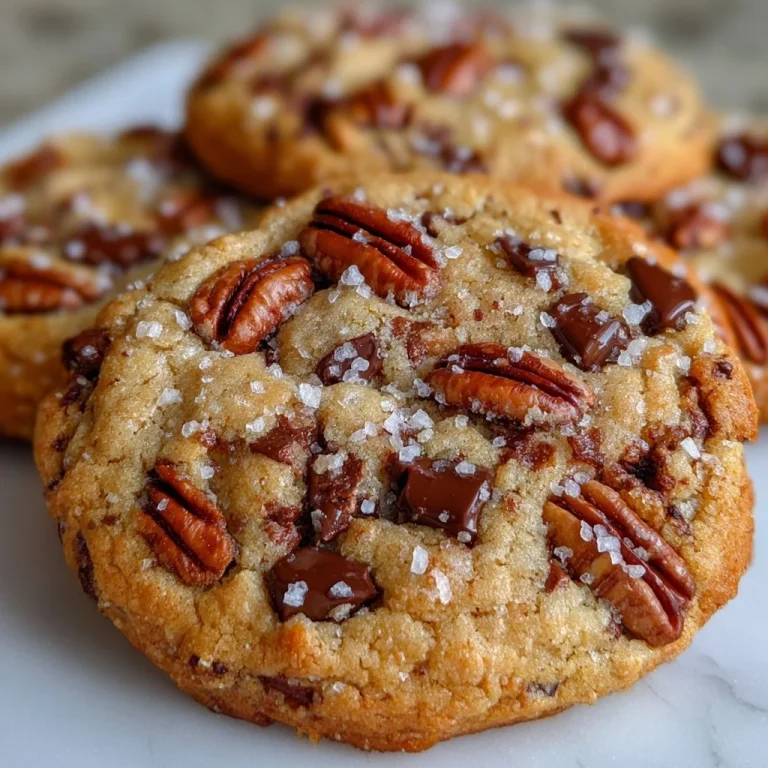
I always keep a batch of these coconut oat cookies in the freezer—simple dough, hearty chew, and the coconut adds a sweet, toasty lift that turns an ordinary cookie into something worth sharing. They’re the kind of cookies you reach for when you need a quick lunchbox treat, a neighborly gift, or a nostalgic finish to a weeknight dinner.
Why you’ll love this dish
These coconut oat cookies are comforting, forgiving, and endlessly adaptable. They strike a great balance: buttery or coconut-oil richness, chewy oats for texture, and shredded coconut for a tropical note. Make them when you want:
- A kid-approved snack that holds up in backpacks.
- A budget-friendly bake that stretches—this recipe yields a lot from pantry staples.
- A quick cookie swap for potlucks or holiday platters.
“Perfectly chewy with a subtle coconut flavor—my kids called them ‘homemade granola bars that taste like cookies.’”
If you enjoy easy drop cookies, you might also like a very simple, nostalgic take on sweets—see my 3-ingredient sugar cookies for another quick bake: 3-ingredient sugar cookies.
How this recipe comes together
This recipe is straightforward: cream fats and sugars, add eggs and vanilla, fold in the dry mix, then fold in the oats and coconut. You’ll drop the dough onto sheets and bake until the edges turn golden while the centers stay slightly soft—this guarantees a tender, chewy center. Expect about 20–25 minutes of active work (including scooping) and 10–12 minutes per tray in the oven.
What you’ll need
- 1 cup (2 sticks) unsalted butter, softened (or 3/4 cup coconut oil)
- 3/4 cup granulated sugar
- 3/4 cup brown sugar, packed
- 2 large eggs
- 1 1/2 tsp vanilla extract
- 2 cups all-purpose flour (or 1:1 gluten-free flour)
- 1 tsp baking soda
- 1/2 tsp salt
- 3 cups old-fashioned rolled oats
- 1 1/2 cups sweetened shredded coconut
- Optional: 1 cup chocolate chips, 1/2 cup chopped nuts, or 1 cup raisins
Notes and swaps:
- Butter gives the richest flavor; coconut oil makes these dairy-free and amplifies the coconut character (use solid coconut oil measured by volume).
- Old-fashioned rolled oats hold texture. Quick oats will yield a softer, more uniform chew.
- For a deeper caramel note, toast the shredded coconut lightly in a dry skillet before folding it in.
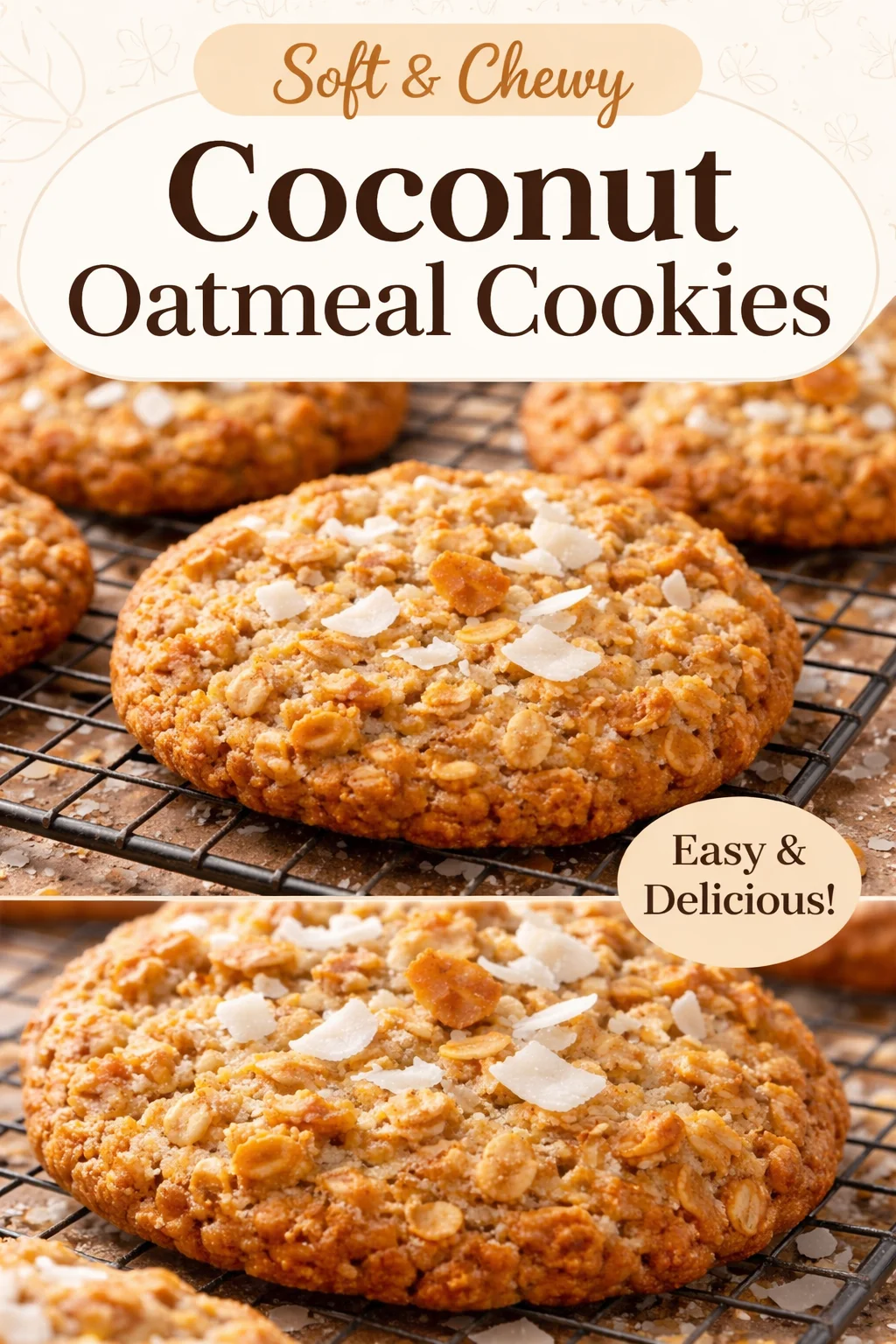
How to prepare it
- Preheat the oven to 350°F (175°C). Line baking sheets with parchment.
- In a large bowl, cream the softened butter (or coconut oil) with granulated and brown sugars until light and fluffy, about 2–3 minutes.
- Add the eggs one at a time, mixing well after each addition. Stir in the vanilla.
- In a separate bowl, whisk together the flour, baking soda, and salt.
- Gradually add the dry ingredients to the wet mixture and mix just until combined—avoid overmixing.
- Fold in the rolled oats and shredded coconut until evenly distributed. Mix in any optional add-ins.
- Drop rounded tablespoons of dough onto the prepared sheets, spacing them about 2 inches apart. Gently flatten each mound with your palm so they bake evenly.
- Bake for 10–12 minutes, or until the edges are golden and centers look set but still soft.
- Let cookies cool on the baking sheet for 5 minutes, then transfer to a wire rack to cool completely.
Best ways to enjoy it
- Pair warm coconut oat cookies with cold milk, coffee, or a chai latte for a cozy snack.
- Stack on a dessert tray with other cookies and toasted nuts—these add chew and contrast.
- Crumble over vanilla ice cream as a crunchy topping, or sandwich them with jam or nut butter for a portable treat.
Storage and reheating tips
- Room temperature: Store in an airtight container for up to 4 days. Place a slice of bread or a small piece of apple in the container to keep them softer.
- Refrigerator: Keep for up to 2 weeks in a sealed container. Bring to room temp before serving.
- Freezing: Freeze baked cookies in a single layer on a tray, then transfer to a freezer bag for up to 3 months. Thaw at room temperature or warm for 10–15 seconds in the microwave.
- To reheat: Microwave a cookie for 10–15 seconds to revive chewiness, or warm a few minutes in a 300°F oven.
Pro chef tips
- Measure flour by spooning into the cup and leveling—too much flour makes dry cookies.
- If you want thicker cookies, chill the dough 30 minutes before scooping; this reduces spread.
- For evenly browned edges, rotate the baking sheet halfway through the bake if your oven has hotspots.
- Use room-temperature eggs for better emulsion with butter and sugar.
- For dairy-free and coconut-forward flavor, use solidified coconut oil and add a pinch more salt to balance sweetness.
I also like riffing on brown-sugar-forward cookies; for a different caramel note try this brown sugar pop-tart cookie idea: brown sugar pop-tart cookies.
Creative twists
- Chocolate-coconut: Fold in 1 cup semisweet chocolate chips for an indulgent chew.
- Tropical fruit: Swap raisins for chopped dried pineapple or mango and add 1/4 cup macadamias.
- Nutty crunch: Stir in 1/2 cup toasted pecans or chopped almonds and a pinch of cinnamon.
- Oat-bran boost: Replace 1/2 cup oats with oat bran to increase fiber while keeping texture.
- Vegan swap: Use coconut oil, a flax “egg” (1 tbsp ground flax + 3 tbsp water = 1 egg), and ensure chocolate chips are dairy-free.
Your questions answered
Q: Can I use quick oats instead of rolled oats?
A: Yes, but quick oats will produce a softer, less chewy cookie. If you prefer chew, stick with old-fashioned rolled oats.
Q: How do I make these gluten-free?
A: Use a 1:1 gluten-free flour blend that already contains xanthan gum (the recipe’s amount of liquid/fat is balanced for such blends). Make sure your oats and other add-ins are certified gluten-free if sensitivity is an issue.
Q: Can I freeze the cookie dough raw?
A: Absolutely. Scoop dough into individual balls and freeze on a baking sheet, then transfer to a bag. Bake from frozen—add 1–2 minutes to the bake time.
Q: Why did my cookies spread too much?
A: Common causes: too-warm dough, too much butter (or melted coconut oil), or under-measured flour. Chill dough 20–30 minutes to reduce spread.
Q: What’s the best way to get crisp edges and chewy centers?
A: Bake until edges are golden but centers still look a little underdone, then cool on the sheet—the residual heat finishes the centers while the edges crisp.
Conclusion
These coconut oat cookies are a reliable, adaptable bake—perfect for cookie swaps, school lunches, or an easy dessert. For a similar coconut-oat inspiration with a how-to video, check out this detailed version from Lil’ Luna: EASY Oatmeal Coconut Cookies {+VIDEO} | Lil’ Luna. If you like recipes with a quick, nostalgic angle, this Allrecipes piece on a 20-minute cookie recipe from grandma is a fun read and reminder of simple baking techniques: My Grandma’s 20-Minute Cookie Recipe Is Still the One I Make on ….
Coconut Oat Cookies
Ingredients
Method
- Preheat the oven to 350°F (175°C) and line baking sheets with parchment.
- In a large bowl, cream the softened butter (or coconut oil) with granulated and brown sugars until light and fluffy, about 2–3 minutes.
- Add the eggs one at a time, mixing well after each addition, and stir in the vanilla.
- In a separate bowl, whisk together the flour, baking soda, and salt.
- Gradually add the dry ingredients to the wet mixture and mix just until combined—avoid overmixing.
- Fold in the rolled oats and shredded coconut until evenly distributed, mixing in any optional add-ins.
- Drop rounded tablespoons of dough onto the prepared sheets, spacing them about 2 inches apart, and gently flatten each mound with your palm.
- Bake for 10–12 minutes, or until the edges are golden and centers look set but still soft.
- Let cookies cool on the baking sheet for 5 minutes before transferring to a wire rack to cool completely.