Lavender Frosting

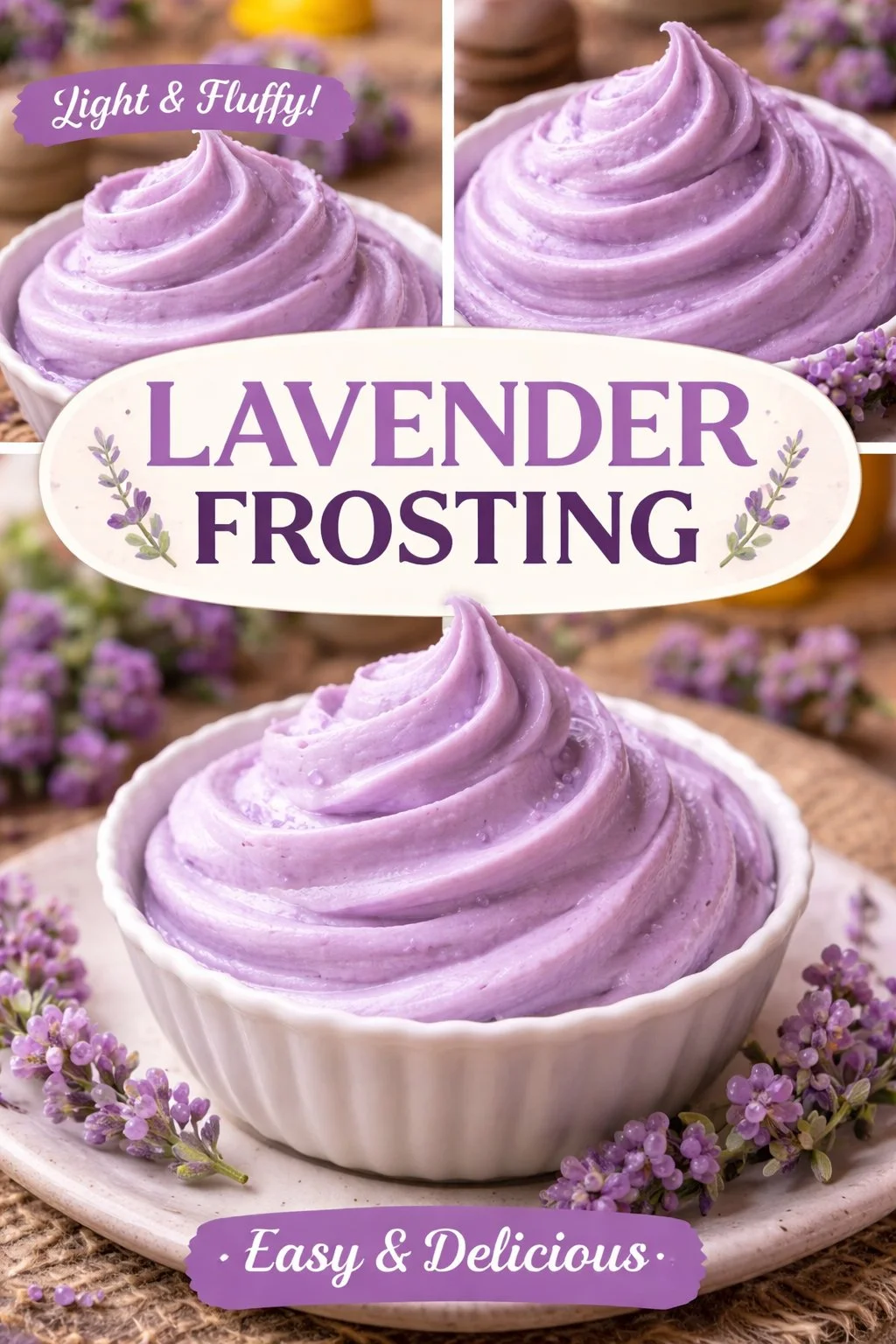
I first made this lavender frosting when I wanted a light, floral finish for a lemon cake—and it instantly became my go-to for spring bakes. This butter-based frosting is subtly fragrant, silky, and surprisingly adaptable: use it on cupcakes, sandwich it between layers, or swirl it over shortbread. If you love lavender-forward desserts, it pairs beautifully with drinks like the Earl Grey Lavender milkshake I sometimes serve alongside slices.
Why you’ll love this dish
Lavender frosting elevates simple cakes without overpowering them. The floral notes add complexity to vanilla, lemon, or honey desserts while keeping sweetness balanced. It’s quick to make—most of the work is beating—and uses pantry staples with the small addition of culinary lavender. Make it for bridal showers, garden parties, or any time you want a bakery-style finish with a grown-up twist.
“Light, aromatic, and not overly sweet—this frosting made my cupcakes taste like spring in a bite.” — a regular tester
I often pair slices of cake frosted with lavender buttercream with a slice of honey-lavender cheesecake for a themed dessert table; they play off each other beautifully (honey-lavender cheesecake recipe).
How this recipe comes together
Before you start, here’s the simple flow so you know what to expect:
- Soften butter to room temperature so it creams fluffy.
- Slowly incorporate powdered sugar for a smooth texture.
- Add cream, vanilla, and finely ground culinary lavender.
- Whip on high for light, spreadable buttercream; adjust consistency with more cream or sugar.
Tip: grind the lavender finely so you get scent without gritty bits.
I also like spooning this onto cookies for an extra-special treat—it works great on lavender-honey crunch cookies (lavender-honey crunch cookies).
What you’ll need
- 1 cup unsalted butter, softened (room temp, about 65–70°F)
- 4 cups powdered sugar, sifted if lumpy
- 2–4 tablespoons heavy cream
- 1–2 tablespoons culinary lavender, finely ground (start with less)
- 1 teaspoon vanilla extract
- Pinch of salt
Notes and substitutions:
- Butter: European-style adds richness; use plant-based butter for a vegan attempt, but texture will differ.
- Heavy cream: half-and-half thins the frosting slightly; for a richer mouthfeel, use cream.
- Lavender: only use culinary-grade lavender. Do not substitute lavender essential oil—it’s too concentrated and not measured for food.
- If your powdered sugar is very coarse, sift to avoid graininess. For a lighter frosting, use 3 cups of sugar and increase as needed.
Directions to follow
- Place the softened butter in a large mixing bowl. Beat on medium speed until the butter is pale and fluffy, about 2–3 minutes.
- Add powdered sugar gradually: pour in about 1 cup at a time and mix on low after each addition until mostly incorporated. Pause to scrape the bowl so everything mixes evenly.
- Add 2 tablespoons heavy cream, the finely ground lavender, vanilla, and a pinch of salt. Mix briefly on low to combine.
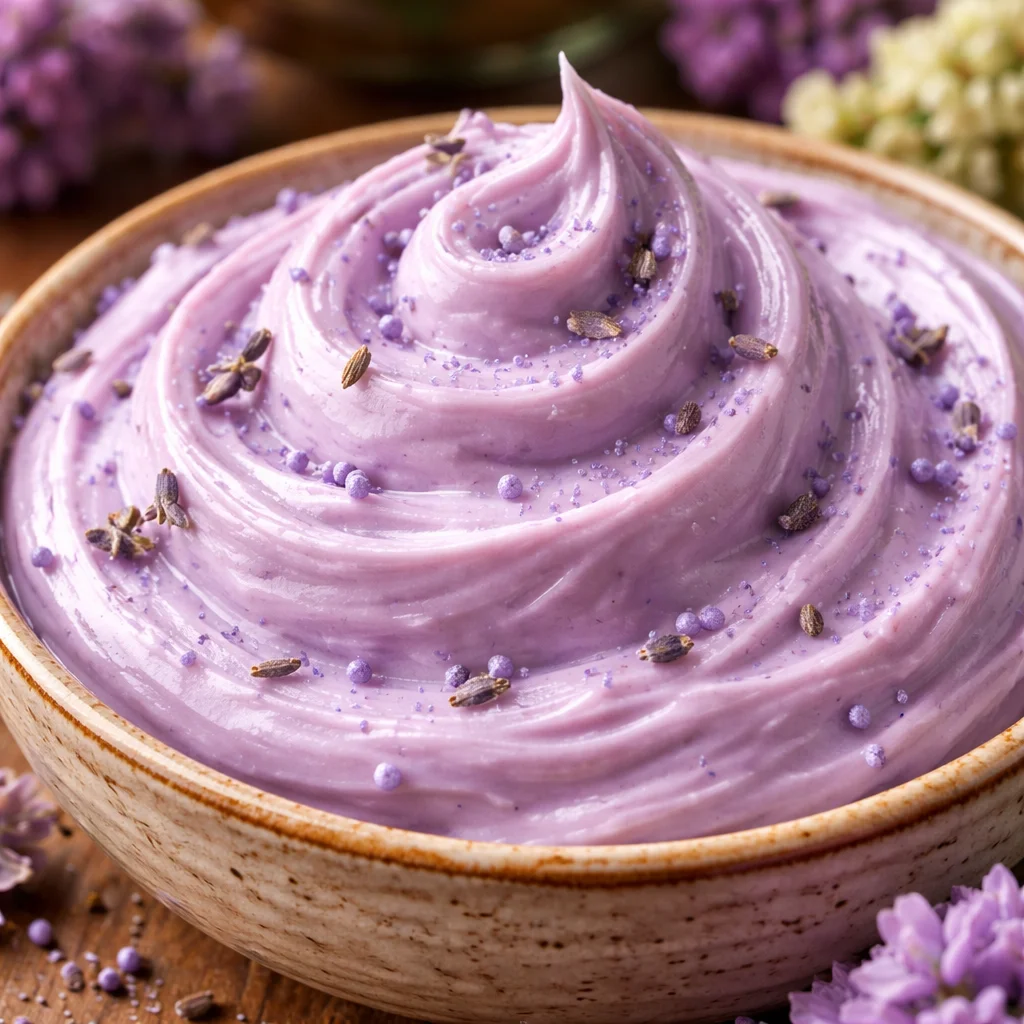
- Turn the mixer to high and beat until the frosting is light, airy, and spreadable, about 2–3 minutes.
- Check consistency: if it’s too stiff, add extra cream 1 teaspoon at a time; if too loose, blend in a little more powdered sugar.
- Taste the frosting. If the lavender is too subtle, stir in up to 1 additional teaspoon of ground lavender slowly—stop as soon as the scent is right. Avoid overdoing it (lavender can go soapy).
- Use immediately to frost cakes and cupcakes, or chill/store as directed below.
Best ways to enjoy it
- Spread a generous layer between lemon cake layers for a bright, floral contrast.
- Pipe rosettes onto vanilla cupcakes for brunch or bridal showers.
- Frost butter cookies or a tray of plain shortbread to make elegant tea-time bites—pair with a warm cup like Lavender Milk Tea for a coordinated serving (lavender milk tea).
- For grown-up pairings, try it with fruit-forward desserts or alongside a mocktail such as a lavender mojito mocktail to echo the herbal notes (lavender mojito mocktail).
How to store & freeze
- Refrigerator: Transfer frosting to an airtight container and refrigerate up to 10–14 days. Bring to room temperature (about 1 hour) then re-whip for fluffiness before using.
- Freezer: Freeze in a sealed container for up to 3 months. Thaw overnight in the refrigerator, then bring to room temperature and whip again.
- Food safety: Keep refrigerated if left out longer than 2 hours (butter and cream are perishable). Discard if it shows off odors or discoloration.
Pro chef tips
- Grind the lavender finely: use a spice grinder, coffee grinder reserved for spices, or mortar and pestle. Sift any large bits so the texture stays silky.
- Measure vanilla by taste: good vanilla enhances lavender without masking it.
- If your butter was too cold, beat longer but don’t overheat—warm butter yields greasy frosting. Ideally, butter should dent when pressed gently.
- For ultra-smooth frosting, beat at low speed after each sugar addition to avoid dusting your kitchen with powdered sugar.
- Want a pastel purple tint? Add a drop of gel food coloring—liquid coloring will thin the frosting.
Creative twists
- Lemon-lavender: Fold in 1–2 teaspoons lemon zest or a tablespoon of lemon curd for a bright variation.
- Honey-lavender: Replace 1 tablespoon cream with 1 tablespoon mild honey for warmth and complexity.
- Chocolate-lavender: Add 2 tablespoons cocoa powder to the powdered sugar before blending for an adult chocolate-floral combo.
- Vegan: Use vegan butter and a non-dairy cream (full-fat coconut cream works best); chill and re-whip before using. Expect a slightly different mouthfeel.
- Intensify aroma: Make a cream infusion—lightly warm cream with lavender, steep 15 minutes, strain, chill, and use instead of plain cream (use caution: don’t over-infuse).
Your questions answered
Q: Can I use dried lavender from the spice aisle?
A: Yes—if it’s labeled culinary lavender. Grind it finely and start with the smaller amount (1 tablespoon). Some garden lavender isn’t meant for eating, so avoid uncertified sources.
Q: How much frosting does this recipe make?
A: About 3 to 3 1/2 cups of frosting—enough to frost 12–16 cupcakes or a two-layer 8–9 inch cake with a thin crumb coat.
Q: My frosting tastes slightly soapy—what happened?
A: That’s usually from too much lavender or from using lavender essential oil. Reduce the amount next time; add more gradually and taste as you go.
Q: Can I color this frosting?
A: Yes. Use gel or paste food coloring to avoid thinning the frosting. Add a tiny amount at a time to reach the desired shade.
Q: Is it safe during pregnancy or for kids?
A: Culinary-grade lavender in small amounts used for flavoring is generally regarded as safe. If you have concerns or allergies, consult a healthcare provider.
Conclusion
For more inspiration and detailed takes on lavender buttercream, see this classic Lavender Buttercream Frosting – Sugar & Sparrow and a lemon-accented version at Lavender Buttercream Frosting with Lemon.
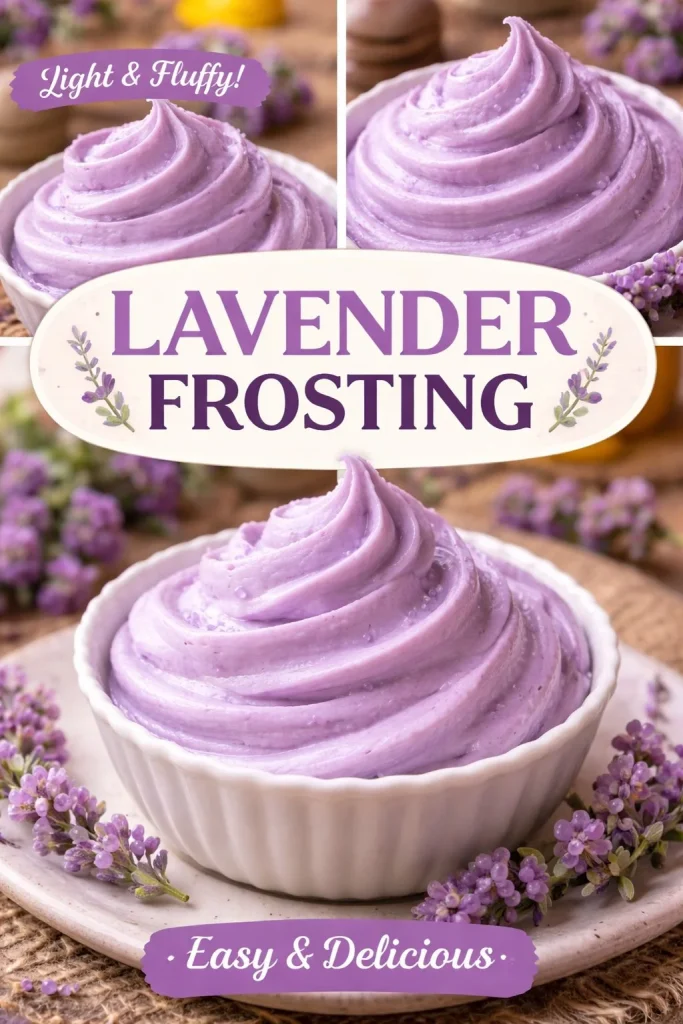
Lavender Buttercream Frosting
Ingredients
Method
- Place the softened butter in a large mixing bowl. Beat on medium speed until the butter is pale and fluffy, about 2–3 minutes.
- Gradually add the powdered sugar, about 1 cup at a time, and mix on low speed after each addition until mostly incorporated. Pause to scrape the bowl for even mixing.
- Add 2 tablespoons of heavy cream, finely ground lavender, vanilla, and a pinch of salt, mixing briefly on low to combine.
- Switch to high speed and beat the frosting until it is light, airy, and spreadable, about 2–3 minutes.
- Check the consistency: If too stiff, add extra cream 1 teaspoon at a time; if too loose, blend in more powdered sugar.
- Taste the frosting. If the lavender flavor is too subtle, stir in up to 1 additional teaspoon of ground lavender cautiously.
- Use immediately to frost cakes and cupcakes, or store as directed below.