Butterball Cookies

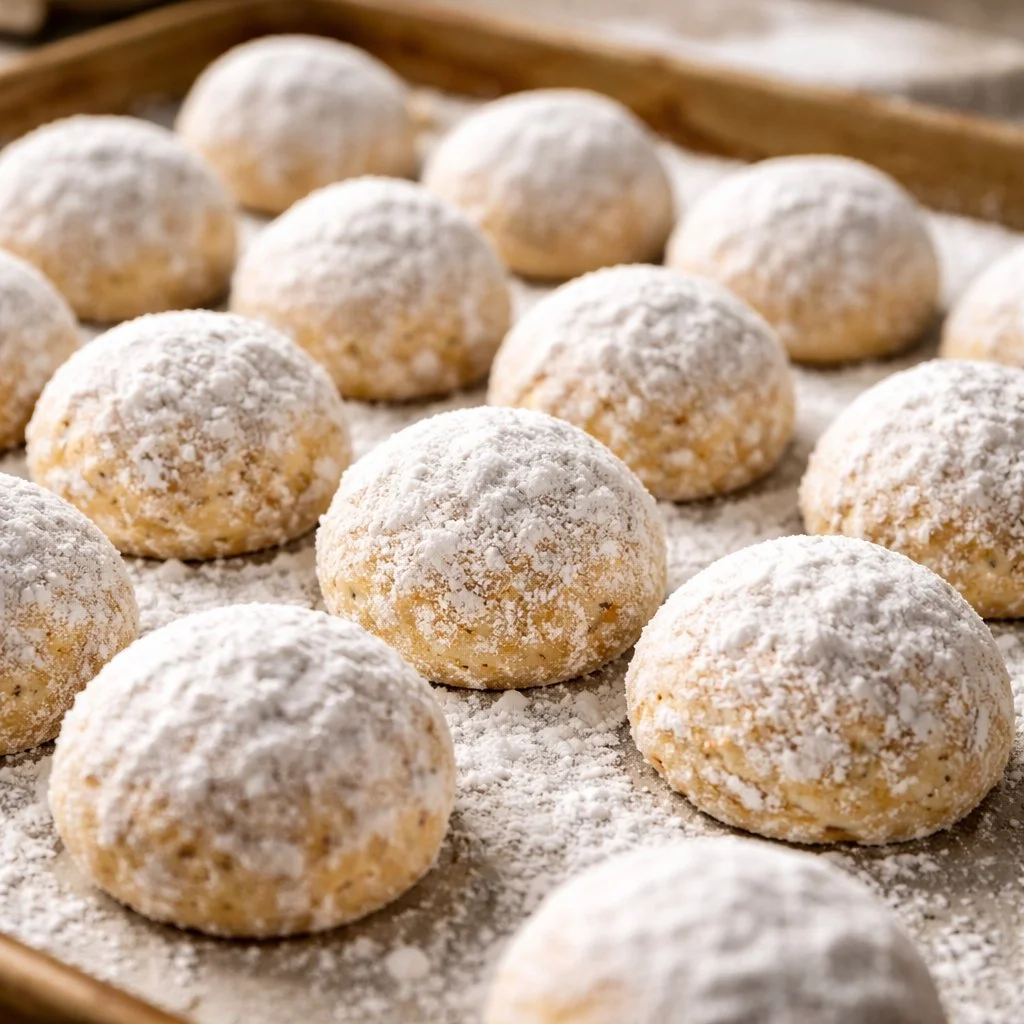
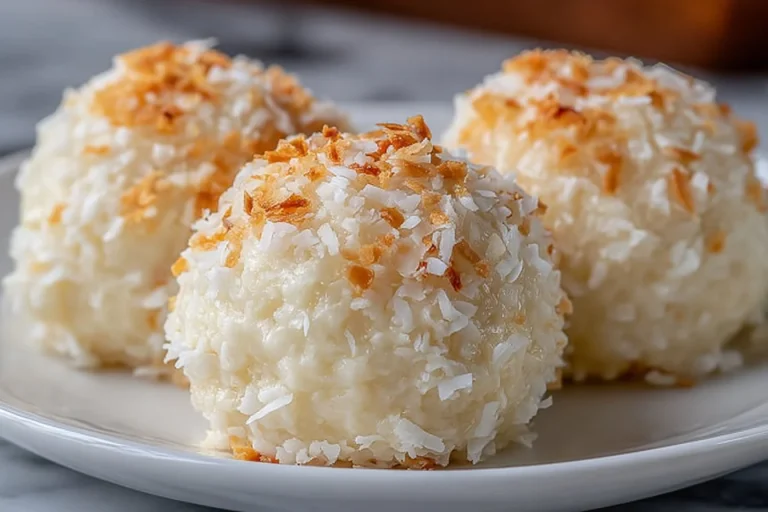
I’ve been making these buttery little balls since I learned the recipe from my grandmother — they’re simple, melt-in-your-mouth, and dangerously easy to eat by the dozen. These Butterball Cookies (a close cousin to snowball or Russian tea cakes) are the kind of cookie you bring to a holiday cookie swap, tuck into lunchboxes, or serve with coffee at a relaxed weekend brunch. If you want a small, elegant cookie that’s quick to put together, this is the one to keep in your baking rotation — and if you like variations, there are a few easy swaps to make them your own. For another take on classic butter cookies, see this butterball cookies overview for inspiration.
What makes this recipe special
These cookies are tiny, tender, and buttery with a powdered-sugar finish that reads festive and refined. They’re popular around the holidays because they look impressive but require only a handful of pantry staples. They’re also:
- Fast to mix — no chilling required for a soft dough unless you want firmer shapes.
- Kid-friendly to roll and dust, making them a great family baking project.
- Easily made ahead and frozen for last-minute treats.
“Buttery, crumbly, and delicate — they vanished faster than I could plate them. A must for holiday trays.”
If you’re curious about even simpler sugar-cookie alternatives, try this easy 3-ingredient sugar cookie for another quick sweet.
Step-by-step overview
You’ll cream butter and sugar, add vanilla, fold in flour to form a soft dough, optionally stir in chopped nuts, roll into 1-inch balls, bake until the bottoms are just golden, cool briefly, and dust generously with powdered sugar. Total active time is about 15–20 minutes; bake time is 15–20 minutes. Expect soft, pale tops and lightly browned bottoms when they’re done.
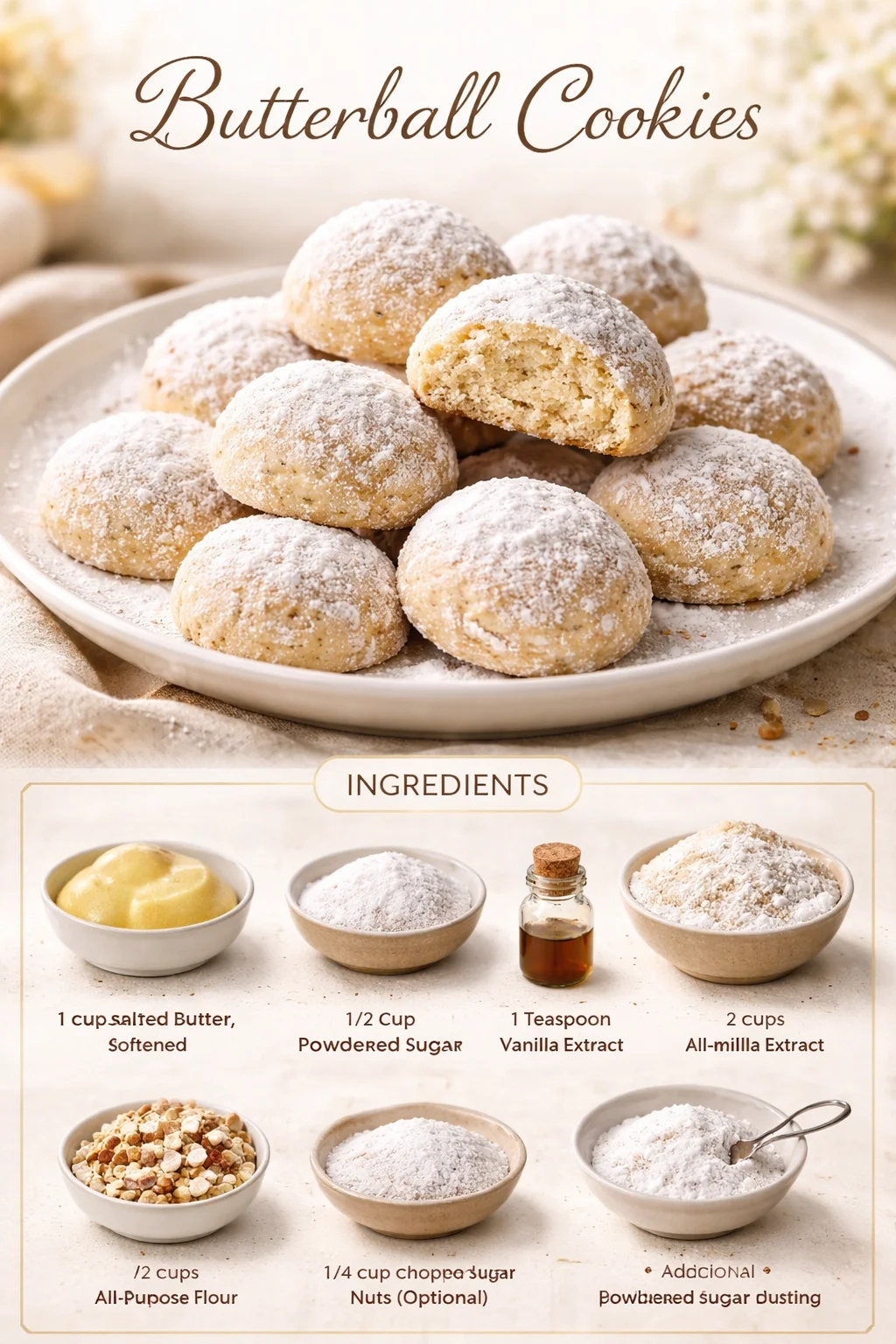
Gather these items
- 1 cup unsalted butter, softened (not melted)
- 1/2 cup powdered (confectioners’) sugar, plus more for dusting
- 1 teaspoon vanilla extract
- 2 cups all-purpose flour
- 1/4 cup chopped nuts (optional — walnuts or pecans), toasted for more flavor
Substitutions/notes:
- Salted butter: reduce or omit any added salt; these are fine if you prefer a touch of saltiness.
- Nuts: use finely chopped almonds for a different texture, or omit entirely for a nut-free version.
- Powdered sugar: if your powdered sugar is clumpy, sift before measuring.
Directions to follow
- Preheat the oven to 350°F (175°C). Line a baking sheet with parchment paper.
- In a large bowl, beat the softened butter and 1/2 cup powdered sugar until light and fluffy, about 2–3 minutes with an electric mixer.
- Mix in the vanilla until evenly combined.
- Add the flour a little at a time and fold gently until a soft dough forms. Stop mixing as soon as the flour is incorporated to avoid a tough cookie.
- Stir in the chopped nuts, if using.
- Scoop level tablespoons of dough and roll into 1-inch balls. Place them 1–1.5 inches apart on the prepared sheet.
- Bake 15–20 minutes. The tops should remain pale; check the bottoms for light golden color.
- Let the cookies cool on the sheet 5 minutes, then transfer to a wire rack to cool completely. When cool, dust generously with powdered sugar.
Small tips in the flow:
- If the dough feels too soft to roll, chill 10–15 minutes.
- Use a small cookie scoop for uniform sizes and even baking.
Best ways to enjoy it
These cookies are lovely on their own with tea or coffee, but here are a few pairings to elevate them:
- Plate on a tiered tray with other small cookies for a holiday platter.
- Serve alongside spiced tea or espresso for contrast.
- Crumble over vanilla ice cream for a simple dessert garnish.
For a different cookie pairing idea, try these brown-sugar pop tart cookies as a contrast in texture: brown sugar pop tart cookies.
Storage and reheating tips
- Room temperature: Store in an airtight container for up to 5 days. Layer between sheets of parchment to prevent sticking.
- Refrigeration: Not necessary; refrigeration can dry them out. If you do refrigerate, bring to room temperature before dusting with powdered sugar.
- Freezing: Freeze unbaked dough balls on a sheet until solid, then transfer to a freezer bag for up to 3 months. Bake from frozen, adding a couple minutes to the bake time. Baked cookies freeze well for up to 3 months; thaw at room temperature.
Follow general safe food handling: cool completely before storing to avoid condensation that makes cookies soggy.
Pro chef tips
- Butter temp matters: Use butter softened to the touch but not greasy — press and it should give slightly. Too-soft butter yields greasy dough; too-cold butter won’t cream properly.
- Don’t overwork the dough: Mix just until the flour is combined. Overmixing develops gluten and makes cookies tough.
- Toast nuts: Spread chopped nuts on a baking sheet and toast 5–7 minutes at 350°F for a deeper nutty flavor. Let cool before folding into dough.
- Oven check: Use the light-golden-bottom test rather than color on top — the tops intentionally stay pale for the classic look.
- Powdered sugar tip: Dust right before serving for the brightest appearance; it can absorb moisture and fade if left in a container.
Creative twists
- Lemon Butterballs: Add 1 teaspoon lemon zest to the dough and dust with lemon-scented sugar.
- Chocolate-dipped: After cooling, dip half of each cookie in melted semi-sweet chocolate and let set.
- Spiced variation: Add 1/4 teaspoon cinnamon and a pinch of nutmeg to the flour for warm spice notes.
- Gluten-free: Substitute a 1:1 gluten-free flour blend; expect a slightly crumblier texture.
- Vegan: Use vegan butter and a plant-based powdered sugar to make them dairy-free (texture will be similar if butter substitute is high-quality).
Common questions
Q: Can I use salted butter instead of unsalted?
A: Yes. If you use salted butter, omit adding any extra salt in the recipe. Salted butter will make the cookie flavor slightly more pronounced; many people enjoy it.
Q: Do I need to chill the dough before baking?
A: No, chilling is optional. Chill 10–15 minutes if the dough is too soft to roll. Short chilling firms the dough without changing the cookie’s tender texture.
Q: How long will these cookies stay fresh?
A: Stored in an airtight container at room temperature, they stay fresh for about 4–5 days. For longer storage, freeze baked cookies up to 3 months.
Q: Can I roll them in granulated sugar instead of powdered sugar?
A: Rolling in granulated sugar gives a different texture and sparkle but won’t provide the classic melt-in-your-mouth finish powdered sugar does. Powdered sugar is recommended for the traditional look and mouthfeel.
Q: Can I make these nut-free?
A: Yes — simply omit the nuts. The cookie is still buttery and delicate without them.
Conclusion
These Butterball Cookies are a reliable, crowd-pleasing bake that balances simplicity with an elegant finish — perfect for holidays, gifting, or everyday indulgence. For another trusted take on the classic, I like the testing and notes on Always Use Butter’s Butterball Cookies, and for a well-known kitchen-tested variation see the long-standing community recipe at Allrecipes’ Butter Balls II.
Butterball Cookies
Ingredients
Method
- Preheat the oven to 350°F (175°C). Line a baking sheet with parchment paper.
- In a large bowl, beat the softened butter and 1/2 cup powdered sugar until light and fluffy, about 2–3 minutes with an electric mixer.
- Mix in the vanilla until evenly combined.
- Add the flour a little at a time and fold gently until a soft dough forms. Stop mixing as soon as the flour is incorporated to avoid a tough cookie.
- Stir in the chopped nuts, if using.
- Scoop level tablespoons of dough and roll into 1-inch balls. Place them 1–1.5 inches apart on the prepared sheet.
- Bake for 15–20 minutes. The tops should remain pale; check the bottoms for a light golden color.
- Let the cookies cool on the sheet for 5 minutes, then transfer to a wire rack to cool completely.
- When cool, dust generously with powdered sugar.