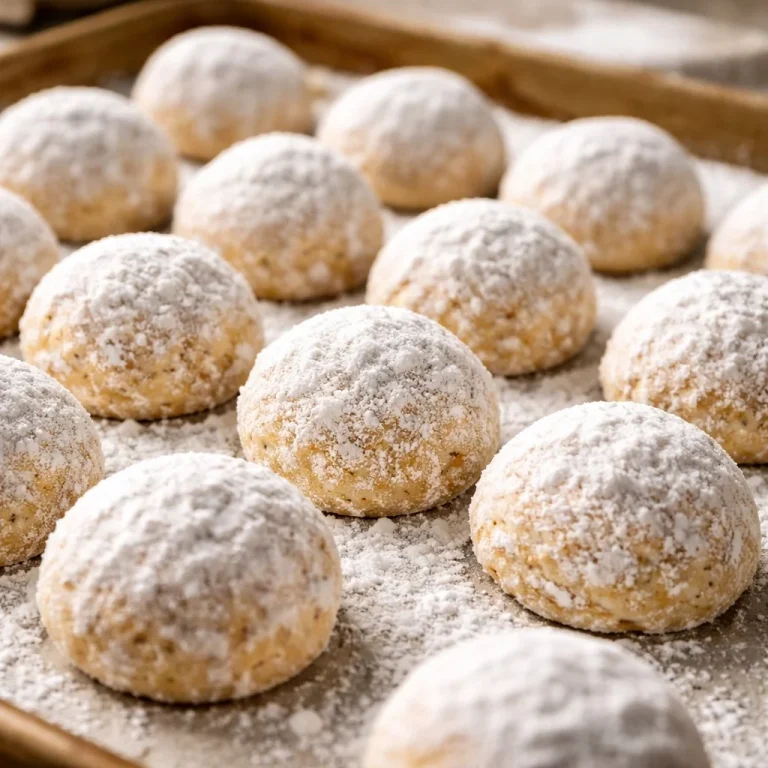
Chewy Coconut Cookies


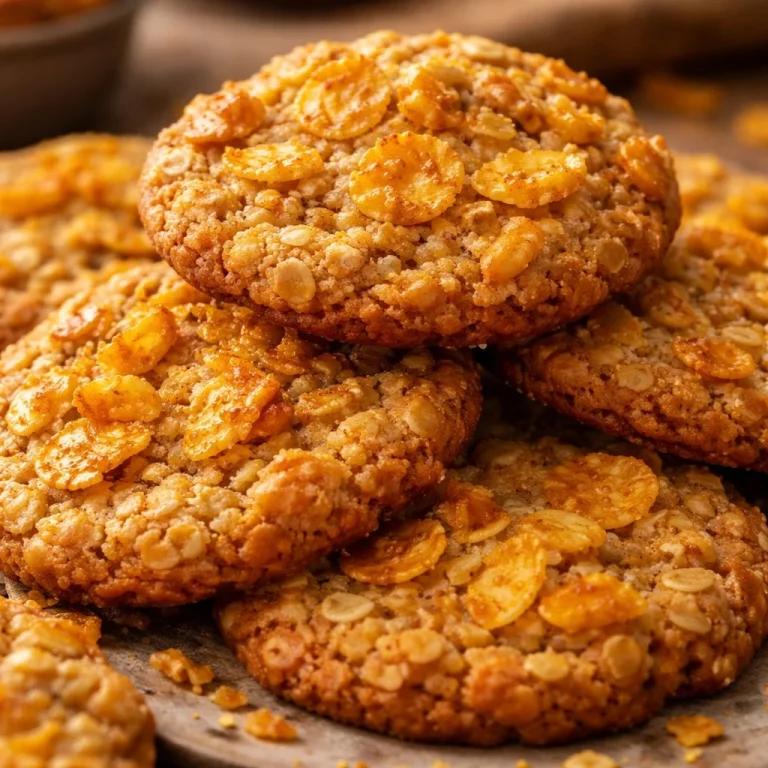
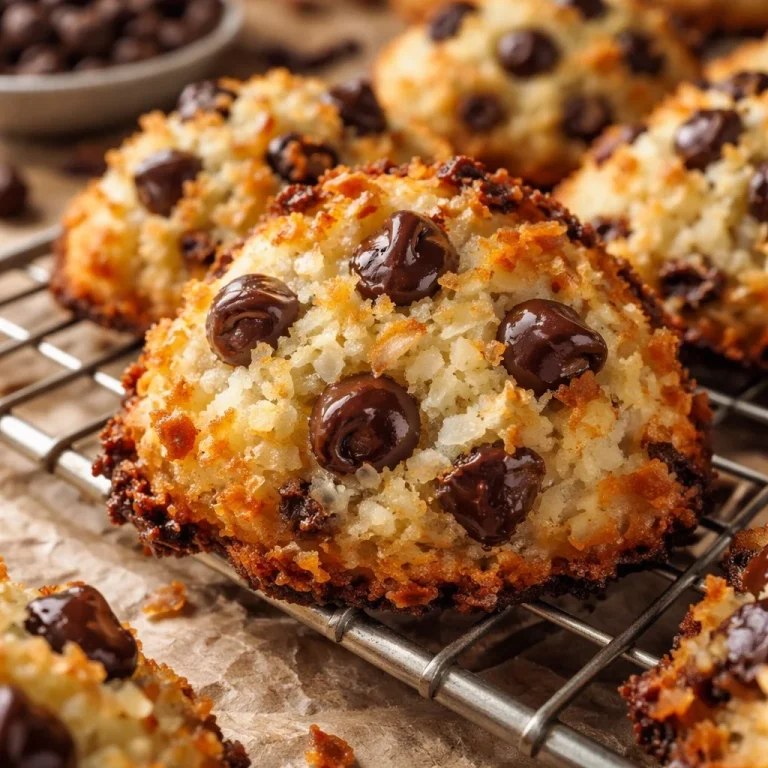
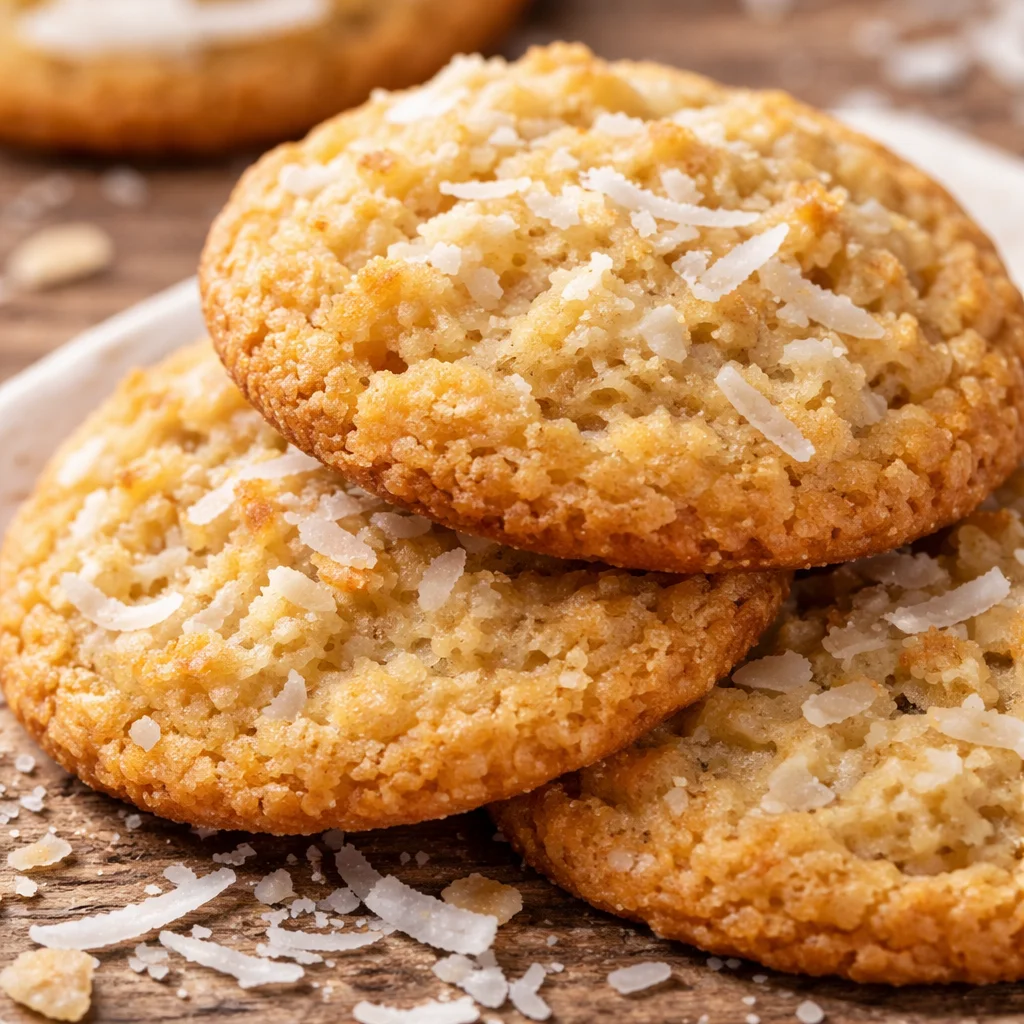
I grew up with a stack of these chewy coconut cookies at every family picnic — they’re quick to make, forgiving, and deliver a soft, coconut-forward bite with just enough golden edge to be interesting. Simple pantry staples come together into a cookie that’s perfect for lunchboxes, afternoon coffee, or a last-minute dessert when friends drop by.
Why you’ll love this dish
These cookies are a tiny miracle of texture: crisp at the very edge, chewy and coconutty in the center. They’re also fast — no chilling required unless you want thicker cookies — and use ingredients most home bakers already have. That makes them ideal for weekday baking, school treats, or when you want something nostalgic without a lot of fuss.
“A buttery crunch on the outside and tender, coconut-packed chew inside — the whole batch disappeared before dinner.” — a happy neighbor
Beyond the nostalgia factor, this recipe is approachable for beginners and easy to scale or tweak for dietary needs (see Variations). If you want a reliable, everyday cookie that feels special, this is it.
The cooking process explained
Before you gather ingredients, here’s the quick workflow so you know what to expect: cream butter and sugars, beat in egg and vanilla, whisk dry ingredients with shredded coconut, fold everything together, scoop onto a tray, and bake about 10–12 minutes. Cooling briefly on the sheet then finishing on a rack gives you the best chew.
This recipe is straightforward: most of the time is passive (baking + cooling). Minimal equipment is required — a bowl, spoon or mixer, baking sheet and parchment.
What you’ll need
- 1 cup shredded coconut (sweetened or unsweetened — see notes)
- 1 cup all-purpose flour
- 1/2 cup (1 stick) unsalted butter, softened
- 1 cup granulated sugar
- 1/2 cup packed brown sugar
- 1 large egg
- 1 teaspoon vanilla extract
- 1/2 teaspoon baking powder
- 1/4 teaspoon salt
Notes and substitutions:
- Coconut: Using sweetened coconut increases overall sweetness and chew; unsweetened lets you control sugar level. For extra texture, use a mix of shredded and flaked coconut.
- Flour: For a gluten-free version, try a 1:1 gluten-free baking flour (see Variations for details).
- Butter: Salted butter can be used; reduce added salt by 1/8 teaspoon.
- Sugar swaps: If you prefer less white sugar, reduce granulated sugar by 2–4 tablespoons and compensate with a bit more brown sugar for moisture.
Step-by-step instructions
- Preheat and prep: Set your oven to 350°F (175°C). Line a baking sheet with parchment paper.
- Cream the fats and sugars: In a bowl, beat the softened butter with the granulated and brown sugars until smooth and slightly pale — about 2–3 minutes by hand or 1–2 minutes with a mixer on medium.
- Add egg and vanilla: Beat in the egg and vanilla until fully combined and glossy.
- Combine dry ingredients: In another bowl, whisk the flour, baking powder, salt, and shredded coconut so the coconut is evenly distributed.
- Mix together: Add the dry mixture to the wet and stir just until combined. Avoid overmixing to keep the cookies tender.
- Portion: Drop rounded tablespoons of dough onto the prepared sheet, leaving about 2 inches between each cookie. For uniform cookies, use a cookie scoop.
- Bake: Bake 10–12 minutes, until the edges are set and tops turn a light golden color. They’ll seem soft in the center — that’s how to keep them chewy.
- Cool properly: Let cookies sit on the baking sheet for 3–5 minutes to firm up, then transfer to a wire rack to cool completely.
Yield: About 20–24 cookies (depending on scoop size). Baking times vary by oven; check starting at 9 minutes.
Serving suggestions
- Best enjoyed with milk or a hot cup of coffee or tea — the drink helps balance the chew and coconut sweetness.
- Dress them up: drizzle melted dark chocolate over cooled cookies or sandwich two cookies with a thin layer of dulce de leche, Nutella, or coconut cream.
- For gatherings: arrange on a platter with fresh fruit (mango or pineapple) to enhance the tropical vibe.
- Packable treat: wrap individually for lunchboxes or cookie swaps.
How to store & freeze
- Room temperature: Store cooled cookies in an airtight container at room temperature for up to 4 days. Place a slice of bread in the container to help maintain chewiness.
- Refrigeration: Not necessary for short-term storage and can dry cookies out faster.
- Freezing cookies: Freeze baked, cooled cookies in a single layer on a tray until firm, then transfer to a freezer-safe bag or container for up to 3 months. Thaw at room temperature.
- Freezing dough: Scoop dough onto a tray and freeze until firm, then store balls in a bag. Bake from frozen — add 1–2 minutes to the bake time. This is great for make-ahead portions.
Food safety note: The recipe uses a whole egg; bake fully and store as above. If serving to people with egg allergies, use a suitable egg replacer (see Variations).
Pro chef tips
- Don’t overbake: Take cookies out when edges are set but centers are still soft. They finish cooking on the hot sheet and will stay chewier.
- Even pieces of coconut: If your shredded coconut is in clumps, break it up with your fingers before measuring so texture is consistent.
- For thicker cookies: Chill scooped dough for 15–30 minutes before baking.
- For extra chew: Replace 2 tablespoons of flour with 2 tablespoons of cornstarch — it can make cookies more tender.
- Flavor lift: Toast the shredded coconut lightly (2–4 minutes in a dry skillet) for a nuttier, deeper coconut flavor. Cool before adding to the dough.
Creative twists
- Chocolate chip coconut cookies: Fold 1/2 cup mini or regular chocolate chips into the dough.
- Tropical mix: Add 1/3 cup chopped dried pineapple or mango and 1/4 cup macadamia nuts.
- Coconut-lime: Add 1 teaspoon lime zest and a tablespoon of lime juice to the wet ingredients for a bright lift.
- Vegan/dairy-free: Use vegan butter and replace the egg with a flax “egg” (1 tbsp ground flaxseed + 3 tbsp water, set 5 minutes).
- Gluten-free: Use a 1:1 gluten-free baking flour blend. Add 1/8–1/4 teaspoon xanthan gum if your blend lacks it to help structure.
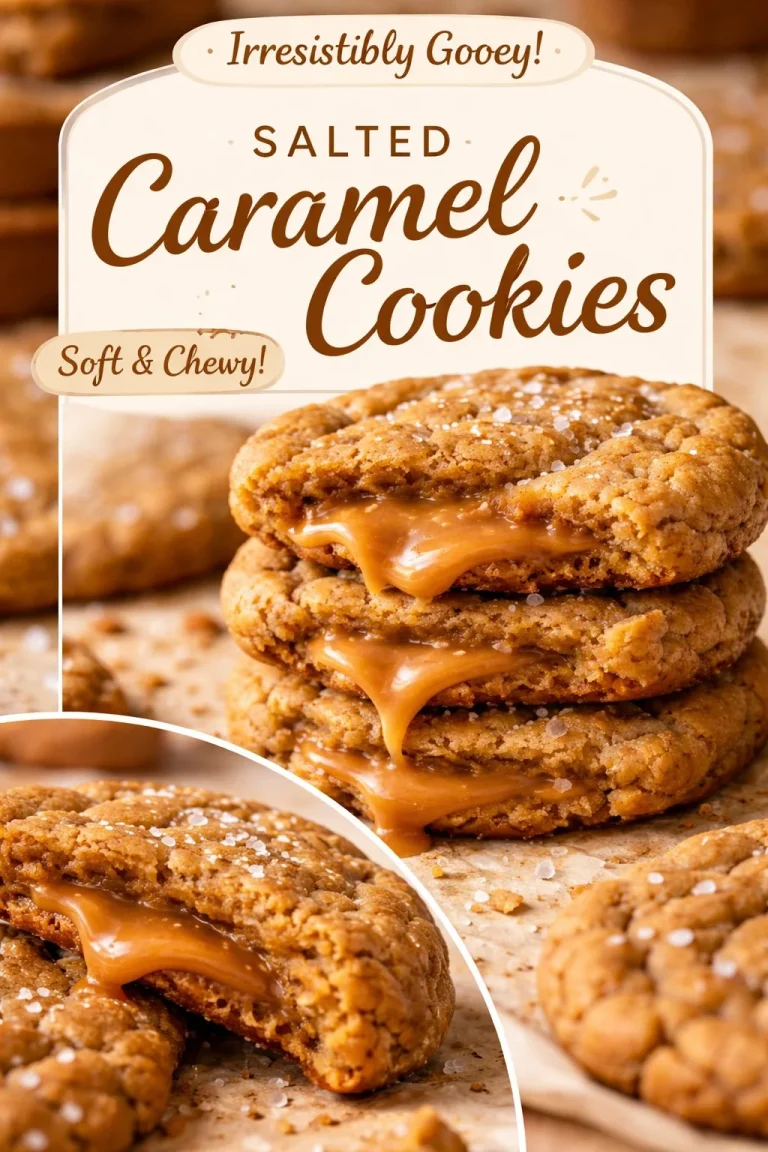
- Salted caramel finish: Sprinkle flaky sea salt over a light caramel drizzle for a dessert-level cookie.

Your questions answered
Q: Can I use unsweetened coconut?
A: Yes. Unsweetened coconut works well and reduces sweetness. If using unsweetened and you like a sweeter cookie, keep the sugar amounts as written or increase brown sugar by 1–2 tablespoons.
Q: How can I keep these cookies chewy instead of crispy?
A: Pull them from the oven when edges are set but centers are still soft. Let them cool on the baking sheet for a few minutes before moving to a rack. Using a little extra brown sugar and not overbaking helps chewiness.
Q: Can I make the dough ahead or freeze it?
A: Yes — you can scoop and freeze dough balls on a tray, then store in a bag for up to 3 months. Bake straight from frozen and add 1–2 minutes to the bake time.
Q: Will the cookies spread too much?
A: If your butter is overly soft or melted, cookies may spread. Use softened (not melted) butter and chill scoops briefly if you want taller cookies.
Q: How long do they last?
A: Stored airtight at room temperature, they stay good for up to 4 days; frozen baked cookies keep for up to 3 months.
Conclusion
If you want a no-fuss cookie that’s both nostalgic and reliably chewy, this coconut recipe should become a go-to. For inspiration and similar takes on chewy coconut cookies, see the classic Chewy Coconut Cookies Recipe – Allrecipes and a modern variation at Chewy Coconut Cookies – Preppy Kitchen.

Chewy Coconut Cookies
Ingredients
Method
- Preheat your oven to 350°F (175°C) and line a baking sheet with parchment paper.
- In a bowl, beat the softened butter with the granulated and brown sugars until smooth and slightly pale, about 2–3 minutes by hand or 1–2 minutes with a mixer on medium.
- Beat in the egg and vanilla until fully combined and glossy.
- In another bowl, whisk together the flour, baking powder, salt, and shredded coconut until combined.
- Add the dry mixture to the wet mixture and stir just until combined, being careful not to overmix.
- Drop rounded tablespoons of dough onto the prepared sheet, leaving about 2 inches between each cookie.
- Bake for 10–12 minutes, until the edges are set and tops turn a light golden color. They’ll seem soft in the center for chewiness.
- Let cookies sit on the baking sheet for 3–5 minutes to firm up, then transfer to a wire rack to cool completely.