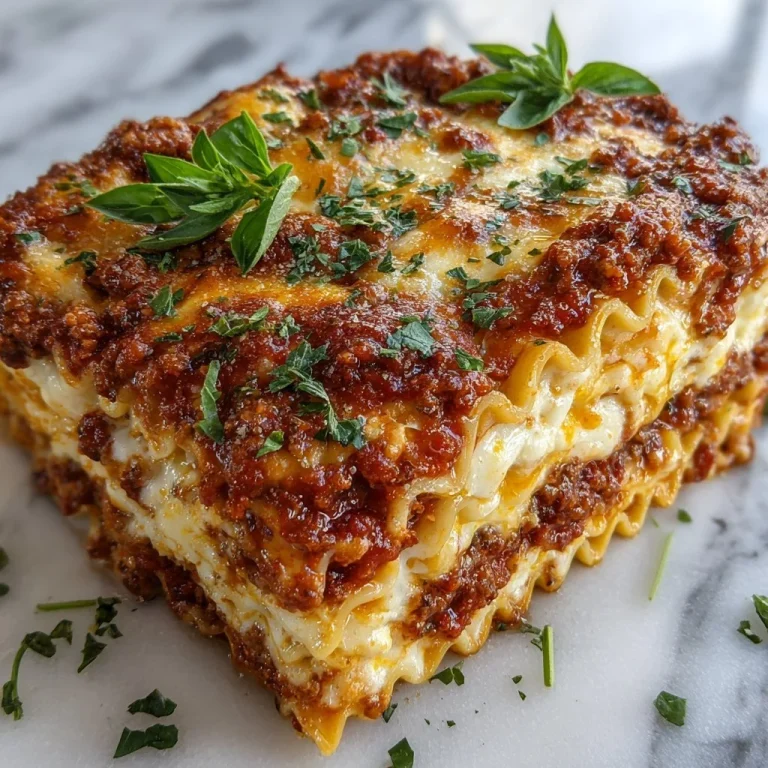
Homemade Lasagna Noodles

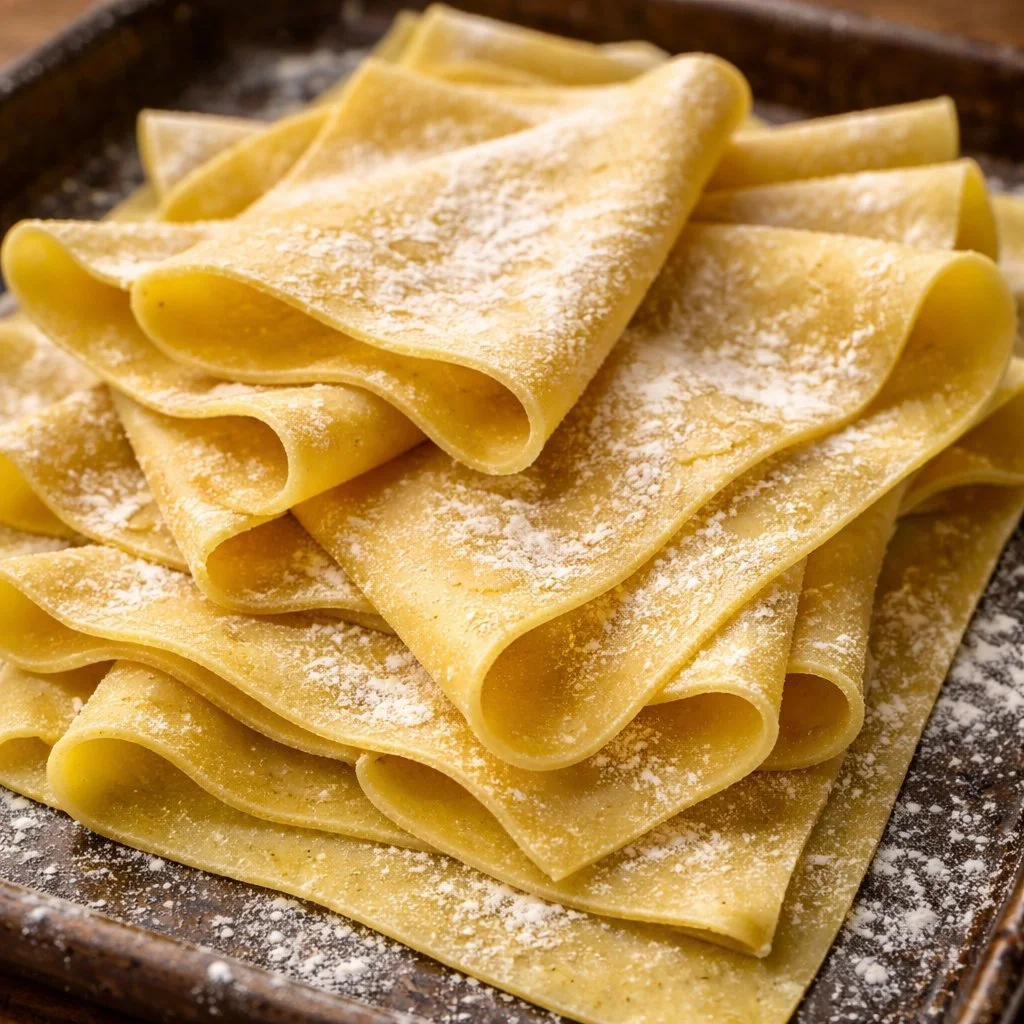
I make fresh pasta whenever I can — there’s something about the texture and flavor of homemade lasagna sheets that makes any layered bake feel elevated. These simple homemade lasagna noodles are just flour, eggs, salt, and a splash of olive oil if you like. They roll smooth, cook quickly, and turn an ordinary lasagna into something that tastes deliberately crafted rather than rushed. If you love classic baked pasta, compare techniques with a tried version of classic homemade lasagna to see how fresh sheets change the final dish.
Why you’ll love this dish
Making your own lasagna noodles is a small step that yields big rewards. Fresh pasta cooks in minutes, absorbs sauce without getting gummy, and gives you control over thickness and texture. It’s also surprisingly economical: pantry staples transform into something celebratory without specialty ingredients. This recipe is great for family dinners, weekend meal prep, or when you want to impress guests without spending hours on complex prep.
"We swapped store-bought for these fresh sheets and the whole lasagna felt restaurant-quality — tender, eggy, and perfect with a ragù." — Home cook review
If you want a seasonal twist, try a riff like pumpkin homemade lasagna for autumnal flavor combinations.
How this recipe comes together
Before you start, here’s the quick process so you know what to expect:
- Combine flour and salt in a food processor for even distribution.
- Add beaten eggs (and olive oil if using), pulse until the mixture resembles coarse crumbs.
- Knead briefly until smooth, then rest the dough to relax the gluten.
- Divide and sheet the dough through a pasta machine (or roll by hand) to your desired thickness.
- Cut into sheets, allow to dry slightly, then use immediately or store/freeze.
These sheets are ideal for layered bakes and work perfectly in recipes such as beef-veggie lasagna with cottage cheese where you want noodles that hold shape without turning mushy.
Ingredient list
- 2 cups all-purpose flour (about 250 g) — you can substitute 00 flour for a silkier texture.
- 3 large eggs, at room temperature (helps hydrate the flour evenly).
- 1/2 teaspoon salt.
- 1 tablespoon olive oil (optional — adds richness and makes dough a touch more extensible).
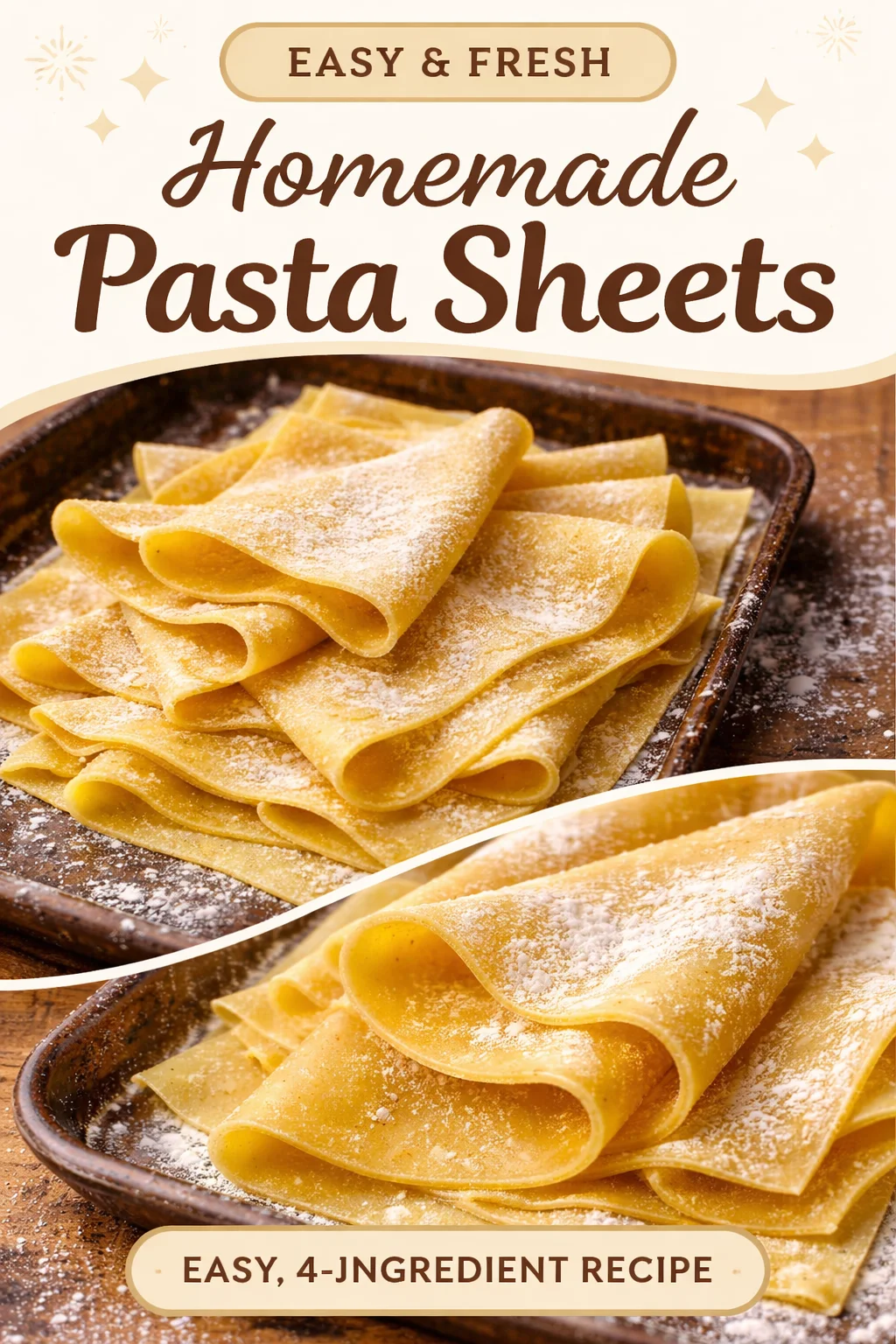
Notes: For whole wheat versions use half whole-wheat and half all-purpose to prevent dryness; for eggless noodles, look to pasta recipes that use water and semolina instead.
How to prepare it
- Add the flour and salt to a food processor and pulse a few times to combine. This aerates the flour and prevents lumps.
- Beat the eggs with the olive oil in a measuring cup until uniform. Pour this into the processor while pulsing.
- Pulse until the mixture forms coarse crumbs — you’ll see bits of flour moistened by egg but not a cohesive ball yet.
- Turn the mixture onto a lightly floured surface and knead for 3–5 minutes until the dough is smooth and slightly elastic. If it’s sticky, dust with a little more flour; don’t over-flour or the sheets will be tough.
- Wrap the dough tightly in plastic or cover and let rest for 30 minutes at room temperature; this relaxes the gluten and makes rolling easier.
- Cut the dough into 3–4 pieces. Feed each piece through a pasta machine starting at the widest setting, folding and running through a couple times to compress, then progressively narrow the rollers until you reach your desired thickness. For lasagna, aim for slightly thicker than tagliatelle — usually two or three notches from the thinnest setting.
- Lay the rolled sheets flat on a lightly floured surface or hang them briefly to dry. Cut into rectangular sheets to fit your baking dish. Let them dry for 15–30 minutes before assembling, or use immediately in your lasagna.
Short, decisive actions (pulse, knead, rest, roll) keep the process quick and foolproof.
Serving suggestions
Fresh lasagna noodles pair beautifully with both robust meat sauces and lighter vegetable or white-sauce lasagnas. Try these ideas:
- Classic ragù, béchamel, and lots of grated Parmesan for a comforting Sunday bake.
- Layer with roasted vegetables, ricotta, and a garlic-herb olive oil for a lighter version.
- Use them in lasagna roll-ups filled with spinach and ricotta for an elegant presentation.
For an easy homemade dessert after the meal, a simple batch of 4-ingredient donuts keeps the dinner approachable and crowd-pleasing.
How to store & freeze
Fresh pasta contains raw eggs, so treat it like other raw egg foods:
- Refrigerate: Fresh sheets can be refrigerated (in a single layer between waxed paper or wrapped airtight) for up to 48 hours.
- Freeze: Lay sheets on a baking sheet dusted with semolina or flour, flash-freeze for 30–60 minutes, then stack with parchment between layers and freeze in a sealed bag for up to 2 months. Thaw in the refrigerator before assembling.
- Cooked lasagna: Once baked, cool slightly, cover, and refrigerate for 3–4 days. Reheat covered at 350°F (175°C) until warmed through.
Always use clean hands and surfaces, and discard any pasta that smells off or shows signs of spoilage.
Pro chef tips
- Rest matters: Skipping the 30-minute rest makes rolling harder and increases resistance, which can lead to tears.
- Semolina flour dust: Use semolina or a little cornmeal to dust sheets when drying; it prevents sticking without softening the pasta.
- Thickness choice: For double-sauced lasagnas choose slightly thicker sheets; for delicate fillings choose thinner sheets.
- Save the scraps: Trimmed edges make great quick pasta bites — pan-fry them with garlic and herbs.
- If you don’t own a pasta machine: Roll with a heavy rolling pin, turning and flouring often; it takes longer but yields excellent results.
Recipe variations
- Herb noodles: Knead 1–2 tablespoons of finely chopped fresh herbs (basil, parsley, or thyme) into the dough for aromatic color.
- Spinach sheets: Purée 1 cup cooked spinach, squeeze dry, and reduce the egg by 1 tablespoon; substitute the purée for part of the egg to make green pasta.
- Whole grain: Replace up to half the all-purpose flour with whole-wheat pastry flour for a nuttier flavor.
- Gluten-free: Use a specialist gluten-free pasta blend and slightly more liquid; expect a different texture and handle gently.
FAQ
Q: Can I use a rolling pin instead of a pasta machine?
A: Yes. Use a heavy rolling pin and roll repeatedly, turning and dusting with flour. It takes longer to reach an even thickness but is perfectly fine for home cooks.
Q: Do I need to pre-cook fresh lasagna noodles before assembling?
A: Generally no. Fresh pasta cooks quickly in the oven as the lasagna bakes. If your sheets are thick or you prefer, you can blanch them 30 seconds in boiling water, then cool, dry, and assemble.
Q: How long does homemade pasta dough keep in the fridge?
A: Wrapped tightly, fresh dough is best used within 48 hours. If you won’t use it that soon, freeze portions for up to 2 months.
Q: Can I make the dough ahead of time?
A: Yes. Prepare, wrap, and refrigerate for up to 48 hours, or freeze portions and thaw in the refrigerator before rolling.
Conclusion
Homemade lasagna noodles are a small investment of time with a big payoff: better texture, fresher flavor, and full control over thickness and ingredients. For more detailed techniques and variations on rolling and drying, the guide at Homemade lasagne pasta sheets (lasagna) — The Pasta Project is a great reference. If you want another beginner-friendly walkthrough with step photos and troubleshooting tips, see the Beginner’s Guide to Fresh Homemade Lasagna Noodles.
Homemade Lasagna Noodles
Ingredients
Method
- Add the flour and salt to a food processor and pulse a few times to combine.
- Beat the eggs with the olive oil until uniform and pour into the processor while pulsing.
- Pulse until the mixture forms coarse crumbs.
- Turn the mixture onto a lightly floured surface and knead for 3–5 minutes until smooth and slightly elastic.
- Wrap the dough in plastic or cover and let rest for 30 minutes at room temperature.
- Cut the dough into 3–4 pieces and feed each piece through a pasta machine starting at the widest setting, progressively narrowing until your desired thickness.
- Lay rolled sheets flat on a lightly floured surface or hang them to dry, and then cut into rectangular sheets.
- Let them dry for 15–30 minutes before using them in your lasagna.