Pecan Sandies

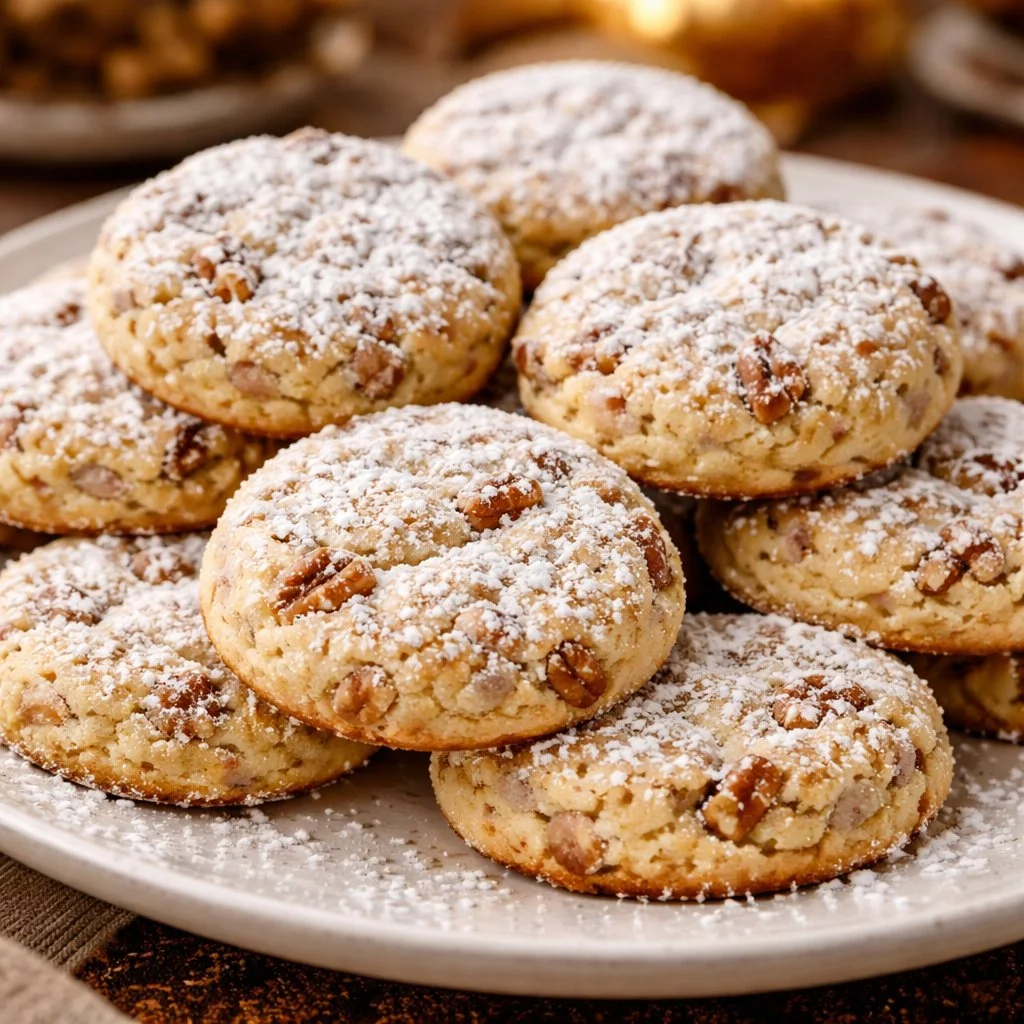
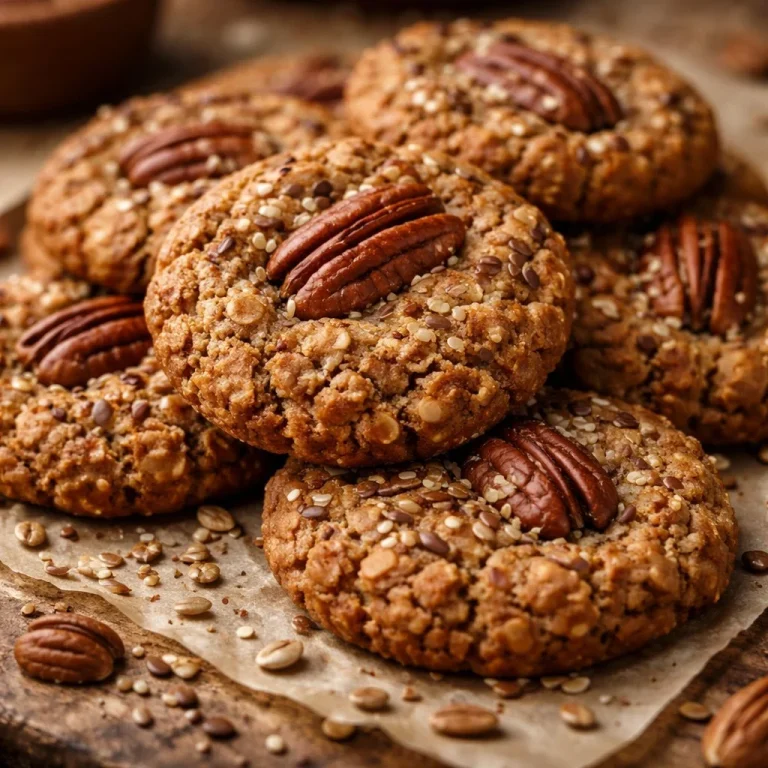
I’ve been making this pecan sandies recipe for years — it’s a little buttery, a little crumbly, and always disappears first at holiday gatherings. These shortbread-style cookies are simple to pull together, require no chill time, and showcase toasted pecans in every bite. If you like a tender, melt-in-your-mouth cookie that pairs perfectly with coffee or a glass of milk, this is one to keep in your baking rotation. For another take on pecan-forward sweets, see my pecan sandies guide with variations and serving ideas.
What makes this recipe special
Pecan sandies are essentially a classic shortbread enriched with chopped pecans. What makes this specific recipe stand out is the balance: enough powdered sugar to create that delicate crumb, softened butter that yields a silky dough, and toasted pecans for a toasty crunch. They’re quick to mix, don’t need chilling, and are forgiving with measurements — ideal when you want a reliable cookie with minimal fuss.
“These melt-in-your-mouth pecan sandies have the perfect buttery snap and a warm nutty finish — a family favorite every holiday.” — A satisfied baker
How this recipe comes together
Before you start, here’s a quick overview so you know what to expect:
- Soften butter to room temperature so it creams easily with powdered sugar.
- Cream butter and sugar until light and fluffy for an airy texture.
- Fold in flour and salt gently to avoid developing gluten; that keeps cookies tender.
- Mix in chopped pecans, roll into balls, and flatten slightly for even baking.
- Bake just until edges show a hint of gold; they’ll firm as they cool.
What you’ll need
- 1 cup unsalted butter, softened (room temperature)
- 1/2 cup powdered sugar
- 1 teaspoon vanilla extract
- 2 cups all-purpose flour
- 1 cup chopped pecans (toasted optional)
- 1/4 teaspoon salt
Notes and substitutions:
- Unsalted butter lets you control salt — use salted butter but reduce added salt to a pinch.
- Powdered sugar gives a finer crumb than granulated; if using granulated, pulse it in a food processor once.
- For a gluten-free version, swap the flour for a 1:1 gluten-free blend and check texture; you may need a tablespoon less flour.
- If you love coconut with pecans, try a related riff like these coconut pecan cookies for inspiration.

How to prepare it
- Preheat the oven to 350°F (175°C). Line a baking sheet with parchment paper.
- In a large bowl, beat the softened butter and powdered sugar on medium speed until light and fluffy, about 2–3 minutes. Scrape the bowl once.
- Add the vanilla and mix until evenly combined.
- Turn the mixer to low and add the flour and salt in batches. Mix just until the dough comes together — stop as soon as no dry streaks remain to keep cookies tender.
- Fold in the chopped pecans with a spatula until distributed evenly. If you prefer extra crunch, toast the pecans first in a skillet over medium heat for 4–6 minutes, stirring, then cool. (If you want candied pecans, follow a trusted recipe for that technique like this candied pecans.)
- Roll dough into 1-inch balls and place them 1.5 inches apart on the prepared sheet. Flatten each ball slightly with the palm of your hand or the bottom of a glass.
- Bake 12–15 minutes, until the edges are just turning golden — they should still look a touch pale in the center.
- Remove from oven and transfer cookies to a wire rack to cool completely before storing.
Best ways to enjoy it
Pecan sandies are versatile:
- Serve with coffee, tea, or espresso for an afternoon treat.
- Pair with a scoop of vanilla ice cream for a crunchy contrast.
- Arrange on a holiday cookie platter alongside chocolate-dipped shortbreads and thumbprints.
- For gifting, sandwich two cookies with a thin layer of dulce de leche or chocolate ganache.
How to store & freeze
- Room temperature: Store cooled cookies in an airtight container at room temperature for up to 5 days. Layer with parchment to avoid sticking.
- Refrigeration: Not necessary; refrigeration can make them firmer and drier. Only refrigerate if you’ve filled them with a perishable filling.
- Freezing: Freeze baked cookies in a single layer on a sheet until firm, then transfer to a freezer-safe bag for up to 3 months. Thaw at room temperature for 20–30 minutes before serving.
- Food safety: Always let cookies cool completely before sealing containers to prevent condensation and sogginess.
Pro chef tips
- Room-temperature butter creams better: it should give slightly when pressed. Too warm and the dough becomes oily.
- Don’t overmix after adding flour — overworking develops gluten and yields a tougher cookie.
- Toast pecans briefly to boost aroma, but watch them closely: nuts go from toasted to burnt quickly.
- If you want perfectly uniform cookies, use a small cookie scoop (about 1 tablespoon) and roll between your palms. For a flatter look, press with a fork in a crisscross pattern.
- For a slightly more intense flavor, substitute 1/2 teaspoon of vanilla with 1/4 teaspoon of almond extract, but don’t overdo almond — it’s potent. For more buttery cookie techniques, compare methods with this brown sugar pecan pie bars recipe for ideas on texture and bake time.
Creative twists
- Chocolate-dipped sandies: dip half of each cooled cookie in melted dark chocolate and let set.
- Spiced version: add 1/4 teaspoon cinnamon and a pinch of nutmeg for warm spice notes.
- Brown-butter pecan sandies: brown the butter, cool it, then proceed — gives a nutty, caramel-like depth. Reduce the quantity by 1–2 tablespoons if you notice extra oiliness.
- Vegan swap: use vegan butter and a 1:1 gluten-free flour blend; watch consistency and add a tablespoon or two of plant milk if too dry.
- Mini sandwich cookies: sandwich a small dollop of salted caramel or espresso buttercream between two cookies.
Common questions
Q: How long does prep and bake time take?
A: Active prep is about 15–20 minutes. Baking is 12–15 minutes per sheet. Total elapsed time including cooling is roughly 45–60 minutes depending on how many batches you bake.
Q: Can I make the dough ahead of time?
A: Yes. You can roll the dough into balls and refrigerate for up to 48 hours before baking. Alternatively, freeze shaped balls for up to 3 months and bake from frozen, adding 1–2 minutes to the bake time.
Q: Can I substitute chopped pecans with walnuts or almonds?
A: Absolutely. Walnuts work as a direct swap. Almonds add a different texture and flavor; toast them first for best results.
Q: Why are my sandies crumbly after baking?
A: Shortbread-style cookies are naturally crumbly, but if they fall apart excessively, you may have under-creamed the butter and sugar or used too much flour. Ensure butter is properly softened and measure flour by spooning it into the cup and leveling (don’t pack).
Q: Is powdered sugar necessary?
A: Powdered sugar gives a finer, meltier texture. Granulated sugar creates a slightly crisper cookie. If using granulated, pulse it briefly in a blender for a finer texture.
Conclusion
Pecan sandies are a timeless, crowd-pleasing cookie that’s quick to make and easy to adapt. Whether you keep them classic or try a twist like brown butter or chocolate-dipping, these cookies reward simple technique with big flavor. For another well-tested version and serving ideas, check this Pecan Sandies Recipe – She Wears Many Hats. If you’re curious about the commercial classic for comparison, here’s the official Keebler® Sandies® Pecan Shortbread| Keebler.
Pecan Sandies
Ingredients
Method
- Preheat the oven to 350°F (175°C) and line a baking sheet with parchment paper.
- In a large bowl, beat the softened butter and powdered sugar on medium speed until light and fluffy, about 2–3 minutes. Scrape the bowl once.
- Add the vanilla and mix until evenly combined.
- Turn the mixer to low and add the flour and salt in batches. Mix just until the dough comes together — stop as soon as no dry streaks remain.
- Fold in the chopped pecans with a spatula until evenly distributed. If you toast the pecans, let them cool first.
- Roll dough into 1-inch balls and place them 1.5 inches apart on the prepared sheet. Flatten each ball slightly.
- Bake for 12–15 minutes, until the edges are just turning golden — they should still look pale in the center.
- Remove from oven and transfer cookies to a wire rack to cool completely before storing.