Perfect Snickerdoodle Cookies


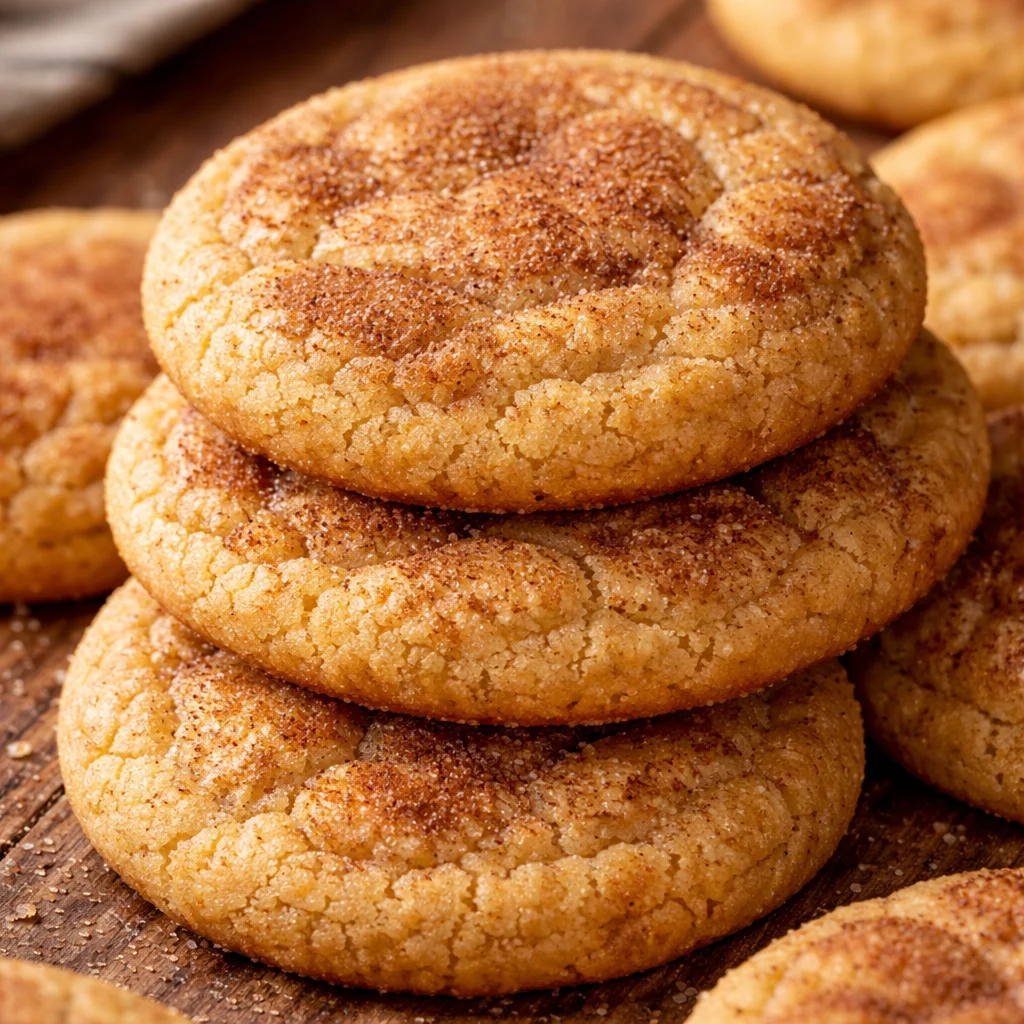
I’ve been baking these Perfect Snickerdoodle Cookies for years — they’re the kind of cookie that disappears from the tin before you can say “one more.” Soft, slightly tangy from cream of tartar, and rolled in a crisp cinnamon-sugar crust, they’re a dependable crowd-pleaser for school lunches, holiday cookie swaps, or an afternoon coffee break.
Why you’ll love this dish
These snickerdoodles are forgiving, fast, and utterly nostalgic. The recipe uses pantry staples and a straightforward mixing method, so you can have warm cookies on the table in under an hour from start to finish. They’re great for feeding a crowd, sending to neighbors, or packing for a picnic because the cinnamon-sugar shell protects the soft interior.
If you like simple cookie recipes, you may also enjoy this easy spin on classic sugar cookies I recommend for busy afternoons: 3-ingredient sugar cookies.
“Exactly the chewy center and crisp edge I wanted — my kids declared these snickerdoodles ‘perfect.’”
What makes this recipe special
The small but important detail here is cream of tartar. It gives snickerdoodles that signature tang and helps achieve the tender, slightly chewy crumb. Using a mix of granulated and a touch of brown sugar deepens the flavor without turning the cookie sticky. This is a reliable recipe whether you’re serving them at a holiday party or baking with kids.
Step-by-step overview
- Cream butter and sugars until smooth.
- Add eggs and vanilla.
- Fold in the dry mix (flour, baking soda, cream of tartar, salt) until just combined.
- Form small dough balls, roll in cinnamon-sugar, and bake until edges are lightly golden.
This quick overview mirrors the full directions below and helps you pace tasks (preheat, mix, chill optional, bake).
If you’re experimenting with other cookie textures, check how oat and almond blends change structure in a recipe for almond flour oatmeal cookies.
What you’ll need
- 2 3/4 cups all-purpose flour
- 1 teaspoon baking soda
- 1/2 teaspoon cream of tartar (key for authentic snickerdoodle tang)
- 1/2 teaspoon salt
- 1 cup (2 sticks) unsalted butter, softened (room temperature for easy creaming)
- 1 1/2 cups granulated sugar
- 1/4 cup packed brown sugar (light or dark — adds depth)
- 2 large eggs, room temperature (cold eggs make the butter seize)
- 2 teaspoons vanilla extract
- 2 tablespoons granulated sugar (for rolling)
- 1 tablespoon ground cinnamon (for rolling)
Notes and substitutions:
- For a dairy-free version, use a firm vegan butter and slightly reduce baking time; texture may vary.
- If you don’t have cream of tartar, increase the baking soda to 1 1/2 teaspoons and add 1/2 teaspoon lemon juice for some tang (not identical, but workable).
- For a crispier cookie, bake until edges are deeper golden and use slightly less brown sugar.
Step-by-step instructions
- Preheat the oven to 350°F (175°C). Line baking sheets with parchment paper.
- Whisk together the flour, baking soda, cream of tartar, and salt in a medium bowl. Set aside.
- In a large bowl, beat the softened butter with the granulated and brown sugars until smooth and slightly fluffy, about 2–3 minutes.
- Add the eggs one at a time, beating briefly after each, then stir in the vanilla until combined.
- Gradually add the dry ingredients and mix until just combined — don’t overmix. The dough should be soft but not sticky.
- In a small bowl, combine 2 tablespoons granulated sugar with 1 tablespoon ground cinnamon.
- Scoop or roll dough into 1 to 1½ tablespoon-sized balls. Roll each ball in the cinnamon-sugar to coat.
- Place the coated dough balls on the prepared baking sheets, spacing them about 2 inches apart to allow spreading.
- Bake 8–10 minutes until the edges are lightly golden and the centers still look slightly soft. Avoid overbaking for a tender center.
- Let cookies cool on the baking sheet 2–3 minutes, then transfer to a wire rack to cool completely.
For a chewier result, bake at the lower end of the time range and let the cookies finish setting on the cooling rack.
If you’re curious about bakery-style finishing and timing, this method aligns well with tips used in this cookie technique: bakery-style milk chocolate pecan cookies.
Best ways to enjoy it
Serve warm with a glass of cold milk, a mug of coffee, or alongside vanilla ice cream for a simple dessert. For holiday platters, plate with powdered sugar-dusted stars or include an assortment of other classic cookies for contrast. For a playful sandwich cookie, spread a thin layer of cream cheese frosting or Nutella between two cooled snickerdoodles.
Storage and reheating tips
- At room temperature: Store in an airtight container for up to 4 days with a slice of bread to maintain softness.
- Refrigeration: Not necessary for short-term storage; will dry cookies.
- Freezing: Freeze baked cookies in a single layer on a sheet, then transfer to a freezer bag for up to 3 months. Thaw at room temperature. Dough balls can also be frozen and baked from frozen — add 1–2 minutes to bake time.
- Reheating: Warm a cookie 8–10 seconds in the microwave or 3–4 minutes in a 300°F oven for that just-baked feel.
Always cool cookies completely before sealing to prevent condensation and sogginess.
Helpful cooking tips
- Use room-temperature eggs and butter so ingredients emulsify easily for a uniform texture.
- Measure flour by spooning into the cup and leveling — packed flour yields dense cookies.
- Don’t overmix after adding flour; overworking develops gluten and makes cookies tough.
- If dough feels too soft to roll, chill 10–15 minutes. Chilling also improves flavor depth.
- Rotate baking sheets halfway through the bake if your oven has hot spots.
Creative twists
- Add 1/2 cup chopped toasted nuts (pecans or walnuts) to the dough for crunch.
- For a brown-butter flavor, brown the butter first; chill until firm, then proceed.
- Make them gluten-free with a 1:1 gluten-free flour blend (texture will be slightly different).
- Sprinkle flaky sea salt on half the cookies right after baking for a sweet-salty contrast.
- Swap vanilla for 1/2 teaspoon almond extract for a subtle nutty note.

Common questions
Q: Can I make the dough ahead of time?
A: Yes. You can refrigerate dough for up to 48 hours (let it come to room temperature before rolling) or freeze dough balls for up to 3 months and bake from frozen, adding 1–2 minutes to the bake time.
Q: Why is cream of tartar used?
A: Cream of tartar reacts with baking soda to give snickerdoodles their characteristic tang and tender texture. It helps control spread and creates a slightly chewy crumb.
Q: My cookies spread too much — what went wrong?
A: Over-soft butter, too little flour, or warm dough can cause excess spread. Chill the dough briefly and ensure your flour is measured accurately.
Q: Can I get a crisp cookie instead of soft?
A: Bake a minute or two longer until edges are deeply golden, and reduce brown sugar slightly. Thinner scoops also yield crisper cookies.
Q: Is it safe to eat raw cookie dough?
A: No. Raw eggs and raw flour can harbor bacteria. Avoid tasting raw dough; instead, make small test cookies to check flavor and texture.
Conclusion
If you want another tested snickerdoodle variation to compare techniques, see Modern Honey’s snickerdoodle recipe for a slightly different approach. For a family-friendly, tried-and-true take, I also recommend checking Lil’ Luna’s snickerdoodle recipe for useful tips and tweaks.

Snickerdoodle Cookies
Ingredients
Method
- Preheat the oven to 350°F (175°C). Line baking sheets with parchment paper.
- In a medium bowl, whisk together the flour, baking soda, cream of tartar, and salt. Set aside.
- In a large bowl, beat the softened butter with the granulated and brown sugars until smooth and slightly fluffy, about 2–3 minutes.
- Add the eggs one at a time, beating briefly after each, then stir in the vanilla until combined.
- Gradually add the dry ingredients and mix until just combined — don’t overmix. The dough should be soft but not sticky.
- In a small bowl, combine 2 tablespoons granulated sugar with 1 tablespoon ground cinnamon.
- Scoop or roll dough into 1 to 1½ tablespoon-sized balls. Roll each ball in the cinnamon-sugar to coat.
- Place the coated dough balls on the prepared baking sheets, spacing them about 2 inches apart.
- Bake for 8–10 minutes until the edges are lightly golden and the centers still look slightly soft.
- Let cookies cool on the baking sheet for 2–3 minutes, then transfer to a wire rack to cool completely.