
Thin and Crispy Anzac Cookies

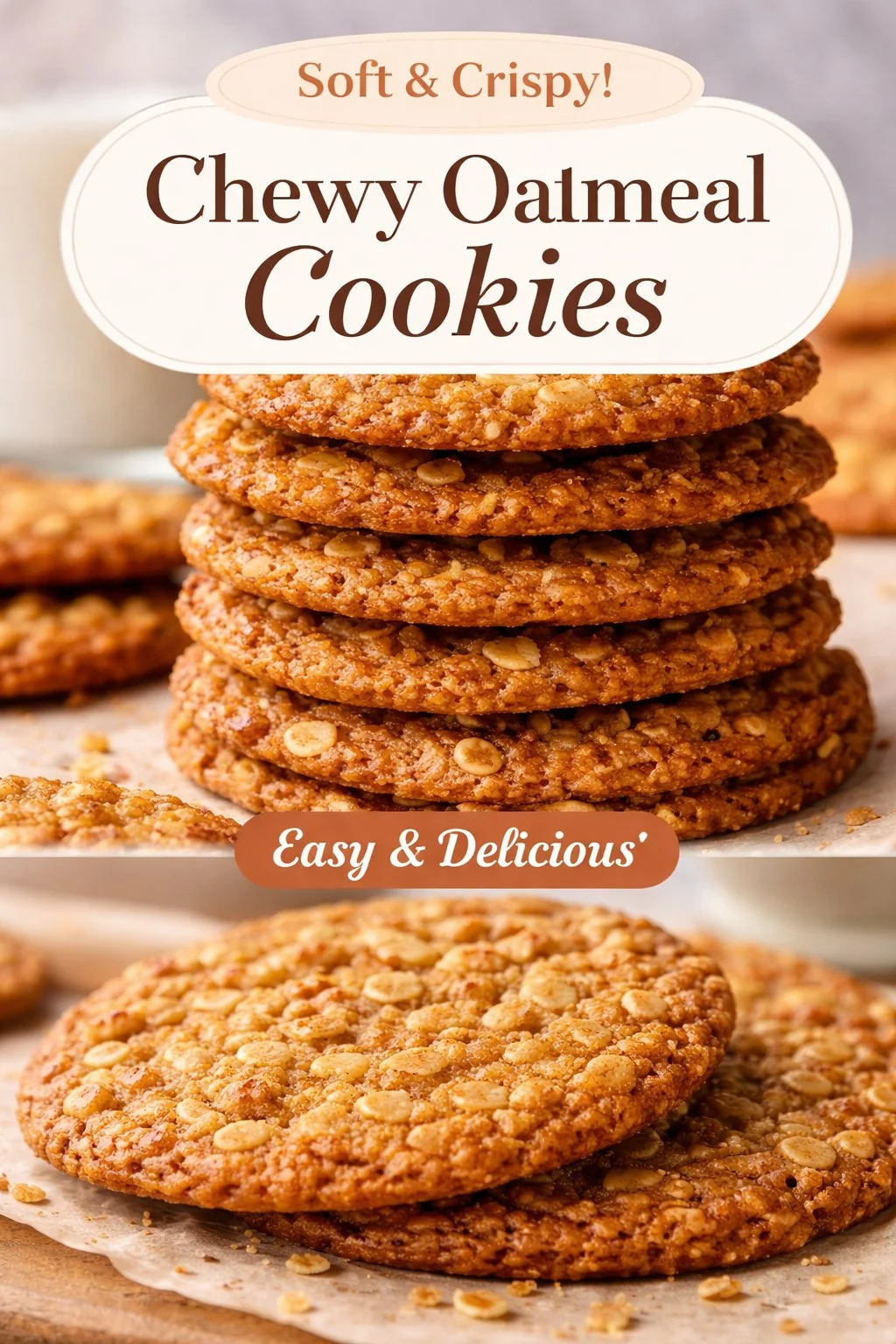
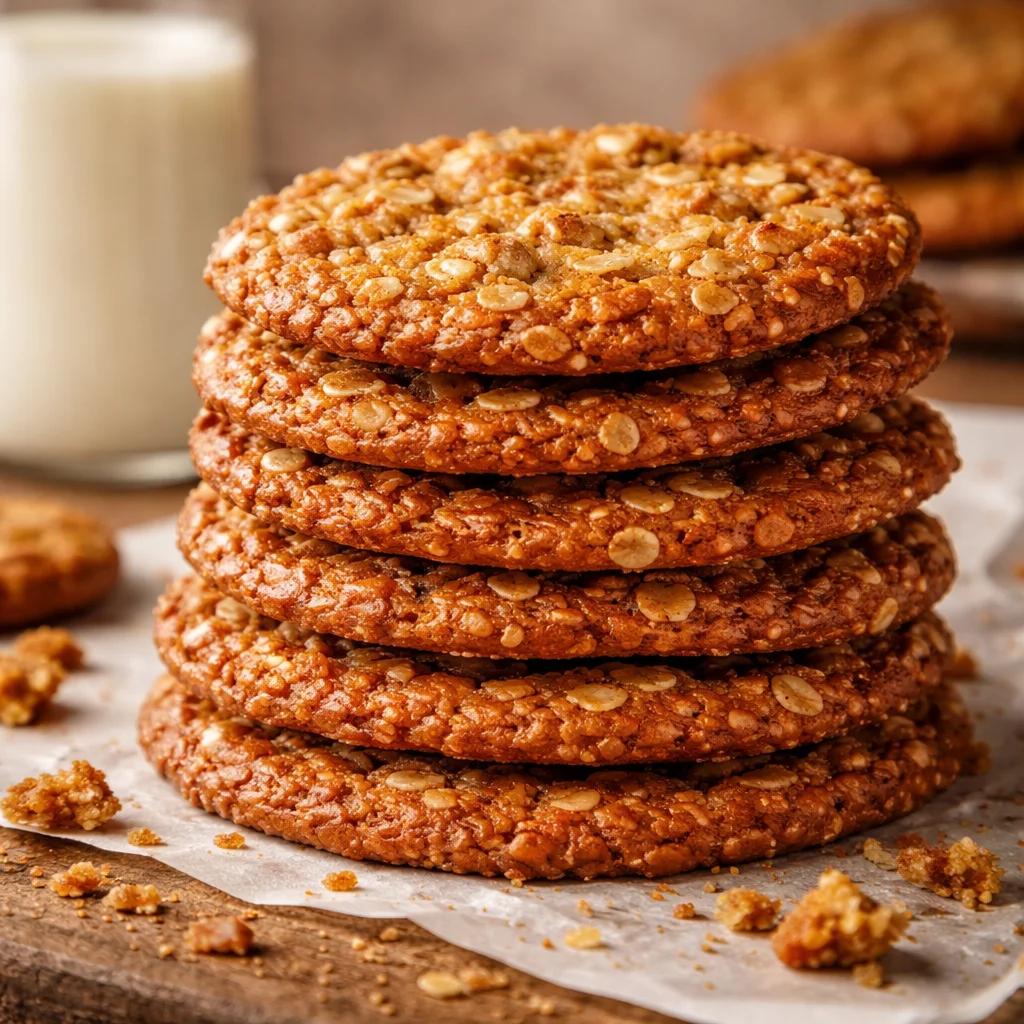
I learned to make these thin, shattering ANZAC cookies on a rainy afternoon when I needed something reliably quick and comforting. They’re the lean, crisp cousin of the classic ANZAC biscuit — loaded with oats and coconut, lightly sweetened with maple and honey, and baked until dark golden at the edges. They’re perfect for afternoon tea, school lunchboxes, or when you want a sturdy cookie to dunk in a strong cuppa.
Why you’ll love this dish
These cookies are quick, forgiving, and fuss-free. They take pantry staples and turn them into wafer-thin, crunchy discs that keep well and travel easily. Because they’re made with wholegrain rolled oats and desiccated coconut, they feel a little more substantial than a plain butter cookie — but still satisfyingly crisp.
- Quick to prepare: most of the work is stirring and shaping.
- Budget-friendly: basic pantry ingredients.
- Kid-approved: crunchy, slightly caramelized flavor.
- Great for gifting: they stack neatly in tins.
“The crispiest Anzac I’ve ever made — thin, golden at the edges and perfect with black tea. Friends couldn’t tell they were so simple.” — a satisfied tasters’ note
Step-by-step overview
You’ll mix the dry oats, flour and coconut; warm butter with maple and honey; stir in baking soda dissolved in boiling water (it fizzes and aerates the mix); combine the wet and dry quickly; portion and flatten small rounds; bake briefly until deep golden; then cool on the trays to crisp. Expect about 20–30 minutes total active time and a short bake window where you watch closely.
Ingredients
- 1 cup wholegrain rolled oats (use old‑fashioned oats for best texture)
- 3/4 cup organic flour (plain/all‑purpose; swap for 3/4 cup gluten‑free flour blend if needed)
- 1 cup desiccated coconut (unsweetened preferred)
- 1/2 cup maple syrup (can replace with golden syrup for a more traditional ANZAC flavor)
- 1 teaspoon honey (optional — adds depth; omit for strict vegan and increase maple by 1 tbsp)
- 125 g butter (1/2 cup) — use salted or unsalted (if salted, skip extra salt)
- 1 tbsp boiling water
- 3/4 teaspoon baking soda
Notes: For vegan cookies use a plant‑based butter and swap honey for extra maple syrup. If you prefer chewier cookies, reduce the baking time slightly and flatten less.
Directions to follow
- Preheat the oven to 160°C fan / 180°C conventional / 350°F. Line two baking trays with baking paper.
- In a large bowl, stir together the oats, flour and desiccated coconut until evenly combined.
- In a small saucepan over medium heat, combine the butter, maple syrup and honey. Warm just until the butter melts — do not boil.
- Remove the pan from the heat. Stir the baking soda into the tablespoon of boiling water, then quickly add this to the butter mixture. It will foam and fizz — that’s normal and helps give the cookies lift.
- Pour the foaming butter mixture over the dry ingredients. Stir briskly so the oats and coconut are evenly coated. Work quickly while the liquid is warm.
- Use a teaspoon to scoop level portions of the mixture. Roll each portion lightly into a ball and place on the prepared trays. Leave generous space between balls — these spread a lot.
- Flatten each ball with the back of a spoon or your finger to about 6–8 mm thick (thin is the goal).
- Bake for 12–15 minutes. Watch closely from the 11th minute onward — thin cookies can go from golden to burnt quickly. Remove when the edges are a dark golden brown.
- Allow the cookies to cool completely on the trays; they firm up and crisp as they cool. Store in an airtight container once fully cooled.
How to plate and pair
- Serve a stack on a wooden board with a small pot of strong tea or filter coffee.
- Make ice‑cream sandwiches with a scoop of vanilla or coconut ice cream between two cookies.
- Crumble over Greek yogurt with a drizzle of honey for breakfast or a quick dessert.
- Pack them in a tin for picnics, lunchboxes or a homemade gift.
How to store & freeze
- At room temperature: keep in an airtight container for up to 1 week. Layer with parchment to avoid sticking.
- To refresh: reheat in a 150–160°C oven for 3–5 minutes to restore crispness.
- Freezing: freeze in a single layer on a tray, then transfer to a freezer bag for up to 3 months. Thaw at room temperature; re-crisp in a low oven if needed.
Food safety note: because these are low‑moisture baked goods, room‑temperature storage is fine. Ensure cookies are fully cooled before sealing to prevent condensation.
Helpful cooking tips
- Use old‑fashioned rolled oats for a pleasing crunch. Quick oats can make the cookies too soft.
- Flatten thin — 6–8 mm — for the signature crisp. Thicker shapes yield a chewier result.
- Give balls plenty of space on the tray; they spread aggressively. Two trays work best so you can rotate rather than crowd.
- Watch the color, not just the time. Because they’re thin, they go from golden to burnt fast.
- If using silicone mats, reduce sticking and get a more even bottom color.
- Don’t skip the boiling water + baking soda step — the fizz creates small air pockets that help the cookies spread evenly and crisp.
Creative twists
- Chocolate chips: stir in 1/3 cup mini chips after combining for quick chocolate Anzacs.
- Nuts & seeds: add 1/3 cup chopped macadamias or almonds, or a tablespoon of sesame or chia seeds for crunch.
- Citrus: a teaspoon of orange or lemon zest lifts the sweetness.
- Chewy version: reduce bake time by 1–2 minutes and leave rounds slightly thicker.
- Golden syrup swap: use golden syrup instead of maple for a classic ANZAC flavor.
- Gluten‑free: swap the flour for a 1:1 gluten‑free blend and check binding; you may need a splash more syrup.
Your questions answered
Q: Can I make these gluten‑free?
A: Yes. Use a 1:1 gluten‑free flour blend or replace the flour with additional oats (process some oats into oat flour). The texture will be slightly different but still crisp.
Q: Why did my cookies spread too much or become oily?
A: Common causes are oversized portions, too-warm trays (don’t overcrowd), or butter that was overheated. Make sure you portion small teaspoons and flatten thinly; bake on cold trays straight from the prep area.
Q: How thin should the cookies be for best crispness?
A: Aim for 6–8 mm. Thinner than that can become brittle; thicker than that becomes chewier.
Q: Can I use brown sugar instead of maple syrup?
A: Brown sugar will work but changes texture and flavor — you’ll get a denser, chewier biscuit. If substituting, reduce butter slightly and add a tablespoon of water or golden syrup to achieve the same spread.
Q: How long do they keep their crunch?
A: Stored airtight at room temperature, they stay crisp for about a week. Humidity will soften them sooner.
Conclusion
If you want another crisp, thin take on ANZAC biscuits, see this Perfect Thin and Crispy Anzac Biscuits Recipe for a slightly different technique and notes. For a classic perspective and more variations, refer to Easy Anzac Biscuits (a.k.a. Anzac Cookies) – Pudge Factor.
ANZAC Cookies
Ingredients
Method
- Preheat the oven to 160°C fan / 180°C conventional / 350°F. Line two baking trays with baking paper.
- In a large bowl, stir together the oats, flour, and desiccated coconut until evenly combined.
- In a small saucepan over medium heat, combine the butter, maple syrup, and honey. Warm just until the butter melts — do not boil.
- Remove the pan from the heat. Stir the baking soda into the tablespoon of boiling water, then quickly add this to the butter mixture. It will foam and fizz — that’s normal.
- Pour the foaming butter mixture over the dry ingredients. Stir briskly to evenly coat the oats and coconut.
- Use a teaspoon to scoop level portions of the mixture. Roll each portion lightly into a ball and place on the prepared trays. Leave generous space between balls.
- Flatten each ball to about 6–8 mm thick.
- Bake for 12–15 minutes, watching closely from the 11th minute onward. Remove when edges are dark golden brown.
- Allow cookies to cool completely on the trays to crisp before storing.