Homemade Biscuits


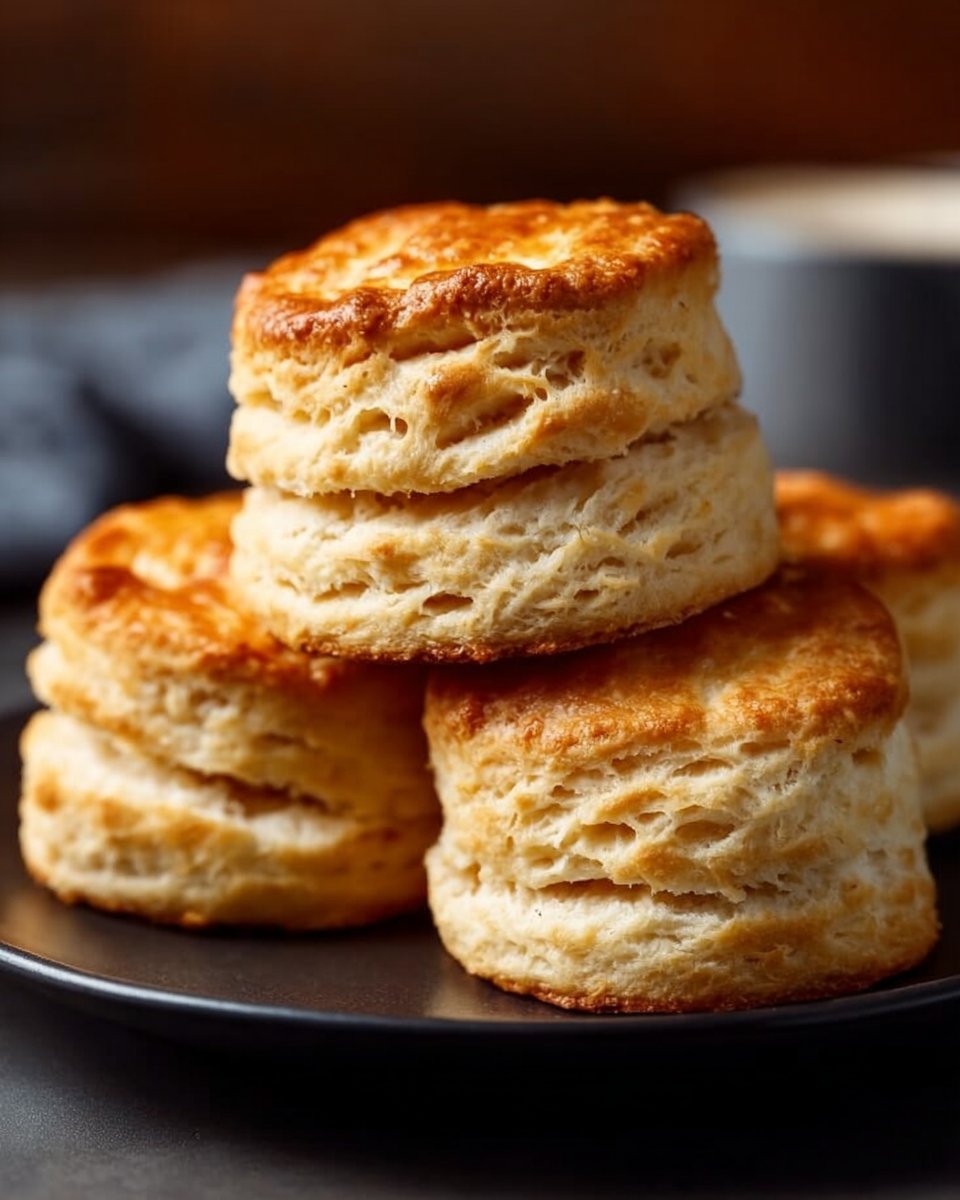
I grew up with biscuits that came out of the oven in ten minutes flat — golden, tender inside, and begging to be split open and slathered with butter. These homemade biscuits are that kind of comfort: simple pantry ingredients, a quick technique, and a result that beats store-bought every time. They’re perfect for a lazy weekend brunch, a last-minute side for dinner, or whenever you want a warm, flaky bread without fuss.
Why you’ll love this dish
These biscuits are fast, forgiving, and made with ingredients you probably already have. With just flour, baking powder, salt, cold butter, and milk, you’ll get tender layers and a crisp top. Make them for weekday breakfasts, weekend brunches, or to soak up gravy at Sunday dinner. They also scale easily: double the batch for a potluck or halve it for two people.
“Flaky, buttery, and finished in under 20 minutes — a new go-to for every morning I need comfort.” — A happy home cook
Step-by-step overview
This recipe is straightforward: mix dry ingredients, cut in cold butter until pea-sized pieces remain, stir in milk just until the dough holds, gently pat to 1" thickness, cut rounds, and bake at 425°F for a quick rise and golden tops. Expect about 12–15 minutes in the oven. The key is cold fat and minimal handling so the butter steams in the oven and creates flaky layers.
What you’ll need
- 2 cups all-purpose flour (substitute: 1:1 gluten-free flour blend with xanthan gum if needed)
- 1 tablespoon baking powder (ensure it’s fresh for good rising)
- 1/2 teaspoon salt
- 1/4 cup cold unsalted butter, cut into small cubes (substitute: cold vegetable shortening for a different texture; for richer flavor use half butter, half shortening)
- 3/4 cup milk (substitute: buttermilk for tang and extra tenderness, or a dairy-free milk like almond + 1 tsp lemon juice if vegan)
Notes: If using self-rising flour, omit the baking powder and salt (2 cups self-rising). Keep the butter cold until you cut it in — that’s crucial for flaky layers.
Directions to follow
- Preheat the oven to 425°F (220°C). Line a baking sheet or lightly grease it.
- Whisk the flour, baking powder, and salt in a large bowl to distribute the leavening evenly.
- Add the cold cubed butter. Use a pastry cutter, two forks, or your fingertips to cut the butter into the flour until the mixture looks like coarse crumbs with some pea-sized pieces. Small chunks of butter equal flakier biscuits.
- Pour in the milk a little at a time and fold gently with a spatula just until the dough comes together. It should be shaggy but not dry; avoid overmixing.
- Turn the dough onto a lightly floured surface. Fold it over itself 2–3 times and press or pat to about 1 inch thick. This gentle folding builds layers.
- Use a round cutter (or the rim of a glass) and press straight down without twisting to cut rounds. Pressing straight keeps the sides even so biscuits rise uniformly. Re-shape scraps quickly and cut more rounds.
- Place the biscuits on the prepared baking sheet so that edges just touch for taller biscuits, or spaced apart for crisper sides. Bake 12–15 minutes until golden brown on top.
- Remove from oven and serve warm. Split and butter immediately for best texture.

Best ways to enjoy it
These biscuits are a blank canvas: split and smear with butter and honey; serve with sausage gravy for a classic Southern breakfast; use as the base for breakfast sandwiches with eggs and cheese; or alongside roast chicken and gravy for dinner. For brunch, warm them and top with jam and whipped ricotta. For a savory twist, brush tops with melted butter mixed with minced garlic and thyme right after baking.
Storage and reheating tips
- Room temperature: store cooled biscuits in an airtight container for up to 2 days.
- Refrigerator: keep up to 4 days, tightly wrapped or in an airtight container.
- Freezing: wrap cooled biscuits individually in plastic wrap and place in a freezer bag; freeze up to 3 months. Reheat from frozen in a 350°F oven for 10–12 minutes, or thaw overnight in the fridge first and warm for 5–8 minutes.
- Reheating: for best texture, reheat in an oven or toaster oven (350°F for 5–8 minutes). Microwaving will warm them faster but can make them soft or gummy — 10–15 seconds works in a pinch.
Food safety: don’t leave baked goods at room temperature longer than 2 hours in warm environments. If biscuits contain perishable fillings (like egg or meat), refrigerate promptly.
Extra advice
- Keep everything cold: chill your butter and even your mixing bowl if your kitchen is warm. Cold fat = steam = flaky layers.
- Cut straight down: twisting the cutter seals the edges and prevents a full rise.
- Don’t overwork the dough: minimal kneading preserves pockets of butter for lift.
- Use fresh baking powder: if it’s older than 6–12 months, replace it. Test by sprinkling a pinch into hot water — it should fizz.
- For higher biscuits, place rounds touching each other on the pan so they rise up rather than out.
Creative twists
- Cheddar & chive: fold 1/2 cup shredded sharp cheddar and 2 tbsp chopped chives into the dough.
- Herb & garlic: add 1 tsp dried oregano and 1/2 tsp garlic powder. Brush tops with garlic butter.
- Sweet: stir in 2 tbsp sugar and fold in 1/4 cup raisins or chopped dates; top with a light honey glaze.
- Buttermilk biscuits: swap milk for 3/4 cup buttermilk for tang and extra tenderness.
- Vegan: use 1/4 cup solid coconut oil or vegan butter and your favorite plant milk + 1 tsp lemon juice.
Helpful answers
Q: Can I make the dough ahead of time?
A: Yes. Mix through the cutting-in stage, press into a disk, wrap tightly, and refrigerate up to 24 hours. Cut and bake straight from chilled — you may need an extra minute or two.
Q: Why did my biscuits come out dense and not risen?
A: Common causes: old baking powder, overworked dough, warm butter that melted before baking, or a low oven temperature. Use fresh leavening, handle dough gently, and preheat the oven fully to 425°F.
Q: Can I use self-rising flour instead?
A: Yes. Replace the 2 cups all-purpose flour + baking powder + salt with 2 cups self-rising flour and omit the added baking powder and salt.
Q: How do I get flaky layers?
A: Keep butter in pea-size pieces, fold the dough a couple of times, use a hot oven, and avoid overmixing. The small butter pockets create steam and separate layers as they bake.
Q: Can I freeze the raw dough or only baked biscuits?
A: You can freeze cut, unbaked biscuits on a tray until solid, then transfer to a bag. Bake from frozen, adding a couple of minutes to the time. This is great for quick fresh biscuits anytime.
Conclusion
If you want more techniques and variations, this Easy Homemade Biscuits tutorial is a lovely visual companion with extra tips. For a classic Southern approach and gravy pairings, check out these Southern Biscuits Recipes which offer traditional touches and serving ideas.

Homemade Biscuits
Ingredients
Method
- Preheat the oven to 425°F (220°C). Line a baking sheet or lightly grease it.
- Whisk the flour, baking powder, and salt in a large bowl to distribute the leavening evenly.
- Add the cold cubed butter. Use a pastry cutter, two forks, or your fingertips to cut the butter into the flour until the mixture looks like coarse crumbs with some pea-sized pieces.
- Pour in the milk a little at a time and fold gently with a spatula just until the dough comes together. It should be shaggy but not dry; avoid overmixing.
- Turn the dough onto a lightly floured surface. Fold it over itself 2-3 times and press or pat to about 1 inch thick.
- Use a round cutter (or the rim of a glass) and press straight down without twisting to cut rounds.
- Place the biscuits on the prepared baking sheet so that edges just touch for taller biscuits, or spaced apart for crisper sides.
- Bake for 12-15 minutes until golden brown on top.
- Remove from oven and serve warm. Split and butter immediately for best texture.