Easy Flourless Oatmeal Carrot Cake

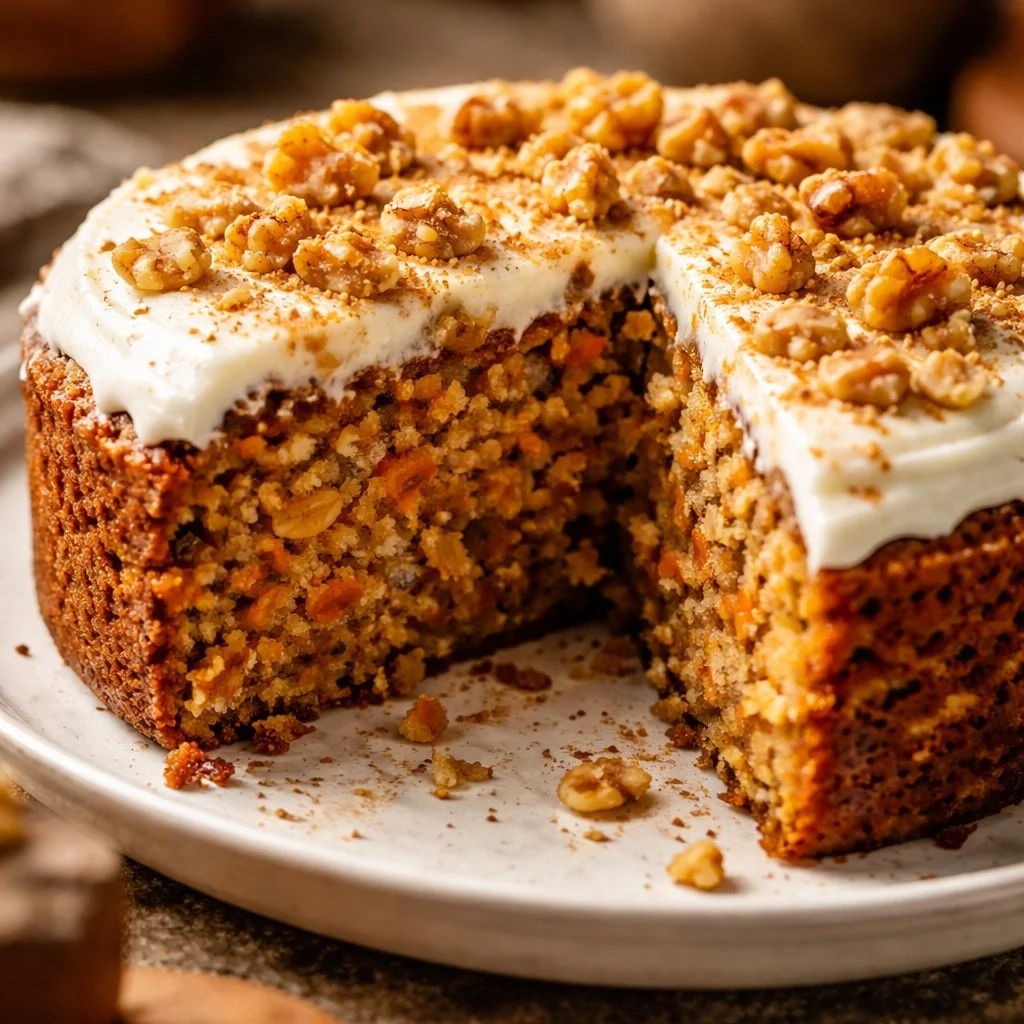
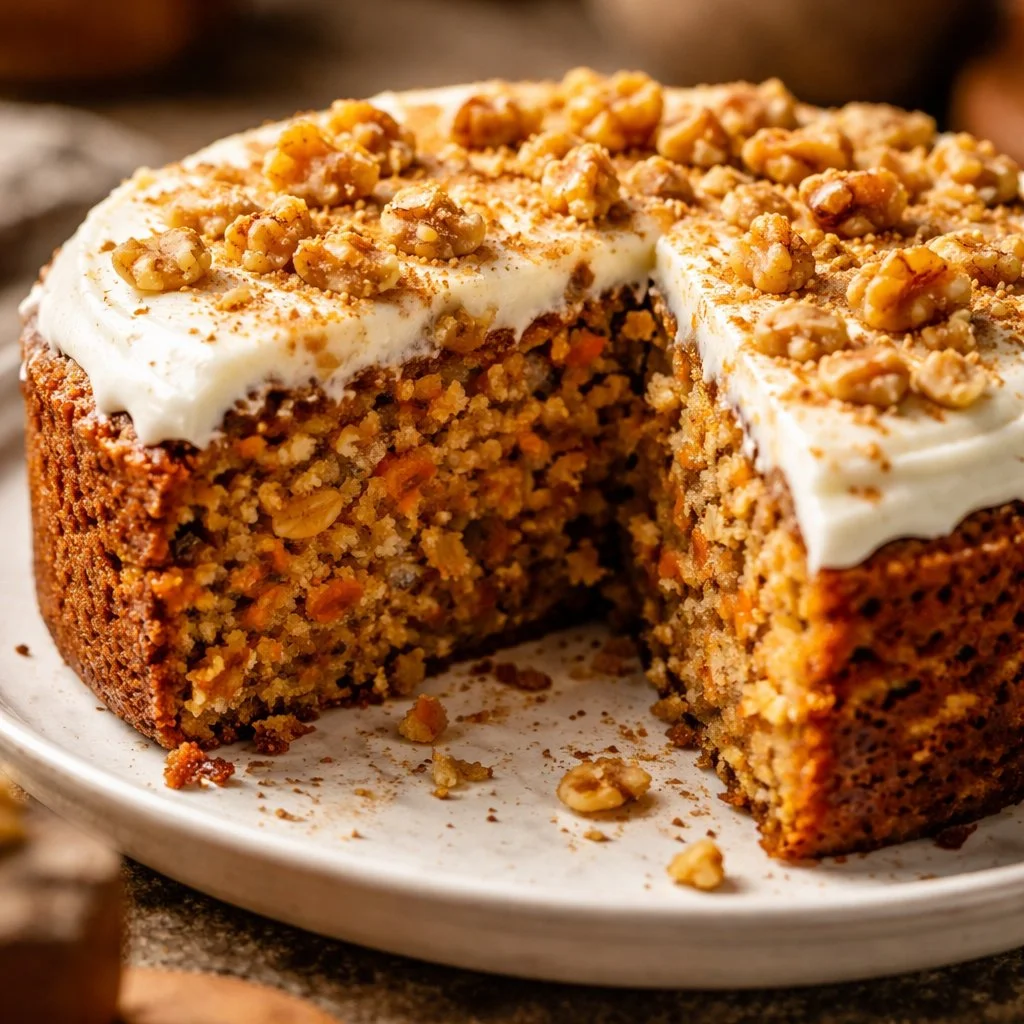
I grew up with dense, sweet carrot cakes, but this Easy Flourless Oatmeal Carrot Cake changed how I think about quick bakes: it’s light, naturally sweetened, and made without flour. It’s the sort of recipe I reach for when I want carrot cake flavor without fuss, whether for a weekday snack, a kid-friendly lunchbox treat, or a portable brunch bite. If you like simple baked desserts, you might also enjoy these easy cake mix donuts for another quick sweet fix: easy cake mix donuts with three glazes.
Why you’ll love this dish
This cake solves several common baking needs at once: it’s flourless (great for those avoiding wheat), mostly naturally sweetened with honey or maple syrup, and uses pantry-friendly rolled oats as the base. It bakes quickly in a small pan, so you get a warm homemade cake without committing to a giant loaf. It’s mild enough for kids, but the cinnamon and butter add enough depth to satisfy adults.
“A soft, wholesome carrot cake that feels like a treat but doesn’t involve complicated techniques — perfect for busy mornings.” — home baker review
This recipe is perfect for:
- A quick dessert after dinner.
- A breakfast slice with coffee.
- Bringing to potlucks when you want crowd-pleasing simplicity.
How this recipe comes together
Before you start: this is a one-bowl base that relies on blended oats and eggs to give structure instead of flour. The steps are straightforward:
- Preheat and prepare a small pan with parchment.
- Combine eggs, honey (or maple), oats, baking soda, cinnamon, butter (or coconut oil), and vanilla.
- Use an immersion blender to break down oats and smooth the batter.
- Fold in shredded carrots.
- Bake for 20–30 minutes until set, then cool completely before slicing.
This overview sets expectations: you’ll do a quick blend, a gentle stir, and a short bake. No creaming, no sifting, no separate wet/dry bowls needed.
What you’ll need
- 2 eggs
- ½ cup honey (or maple syrup) — maple will give a slightly earthier flavor
- 2 medium carrots, shredded (about 1 to 1¼ cups)
- 1 cup rolled oats (use certified gluten-free oats if needed)
- ½ tsp baking soda
- 1 tbsp ground cinnamon
- ¼ cup butter, room temperature (or ¼ cup melted coconut oil for dairy-free)
- 1 tsp vanilla extract
Notes and substitutions:
- Rolled oats work best; quick oats will yield a finer crumb but may absorb more moisture.
- Swap the butter for coconut oil to make the cake dairy-free.
- If you want less sweet, start with ⅓ cup honey and adjust next time.
Step-by-step instructions
- Preheat your oven to 180°C / 350°F. Line a small 7×7 inch (18 cm) pan with parchment paper so the cake releases easily.
- In a mixing bowl add the eggs, honey (or maple syrup), oats, baking soda, cinnamon, softened butter (or melted coconut oil), and vanilla.
- Use an immersion blender to process the mixture until the oats are mostly broken down and the batter looks smooth. Short pulses are fine — you still want some texture.
- Fold the shredded carrots into the batter by hand until evenly distributed.
- Pour and spread the batter into the prepared pan, smoothing the top with a spatula.
- Bake at 180°C / 350°F for 20–30 minutes. Check at 20 minutes with a toothpick; it should come out clean or with a few moist crumbs.
- Cool completely in the pan before lifting out and slicing into squares. Cooling helps the cake set so it cuts cleanly.
Quick tip: if the top browns too fast, tent loosely with foil after 15 minutes.
Best ways to enjoy it
This cake is versatile and travels well. Try these serving ideas:
- Plain with a dusting of cinnamon for breakfast.
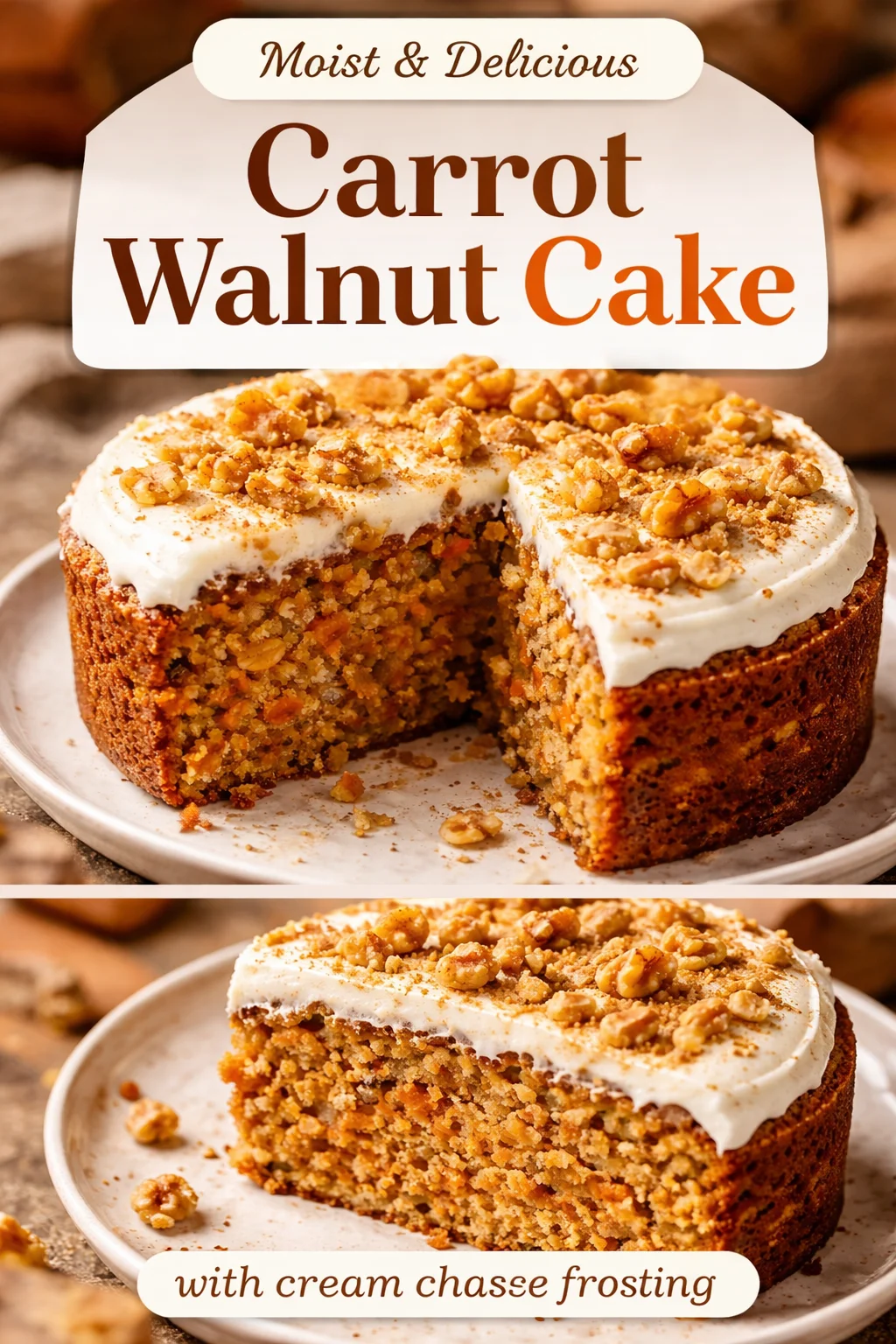
- Spread a thin layer of cream cheese frosting or Greek yogurt mixed with a little honey for a lighter finish.
- Cut into small squares and serve with coffee for an afternoon tea plate.
- Add toasted walnuts or pecans on the side for a satisfying crunch.
If you want another easy brunch option with simple presentation, this cheesecake-and-fruit salad pairing is a nice contrast: easy cheesecake fruit salad delight.
Storage and reheating tips
- Room temperature: Store covered at room temperature for up to 48 hours in an airtight container.
- Refrigerator: If you’ve frosted it (cream cheese), store in the fridge for up to 4 days. Let slices come to room temperature briefly before eating for best texture.
- Freezing: Freeze individual squares in a single layer on a tray until firm, then transfer to a freezer bag for up to 3 months. Thaw overnight in the fridge.
- Reheating: Warm a slice in the microwave for 10–15 seconds or in a 175°C / 350°F oven for 5–8 minutes to refresh the crumb.
Food safety note: because the recipe contains eggs, do not leave frosted cake out longer than 2 hours at room temperature.
Pro chef tips
- Break down the oats: an immersion blender creates a smoother batter quickly; if you don’t have one, pulse the oats in a food processor first.
- Grate the carrots finely so they cook through in the short bake time. Coarse shreds can leave slightly raw texture.
- Measure oats by spooning into the cup and leveling off — packed oats can make the cake dense.
- Check doneness by inserting a toothpick near the center; moist crumbs are okay, but raw batter indicates it needs more time.
- Let it cool fully in the pan; this prevents crumbling when you slice.
For another small-batch sweet that’s easy to customize, try these mini cheesecakes: easy mini cheesecakes.
Creative twists
- Walnut-cinnamon: Fold in ¼ cup chopped toasted walnuts and a pinch of nutmeg.
- Raisin and orange: Add ¼ cup raisins soaked briefly in warm water and 1 tsp orange zest.
- Spiced carrot: Increase cinnamon to 1½ tbsp and add ¼ tsp ground ginger for a chai-like profile.
- Chocolate chip: Stir in ¼ cup dark chocolate chips for a kid-friendly version.
- Frosting options: Classic cream cheese, mascarpone lightly sweetened, or a simple lemon glaze.
Common questions
Q: Can I make this gluten-free?
A: Yes — use certified gluten-free rolled oats and ensure any add-ins (like chocolate chips) are gluten-free. The oats act as the cake’s base so this recipe adapts well.
Q: Can I omit the eggs or use an egg substitute?
A: Eggs provide structure and moisture. For an egg-free version, try a commercial egg replacer or a chia egg (1 tbsp chia + 3 tbsp water per egg), but texture will be denser and may need extra time to set.
Q: Why is my cake dense or gummy?
A: Common causes: too many oats (measure accurately), underbaking, or not breaking down the oats enough. Blend the oats till mostly smooth and bake until a toothpick comes out with only moist crumbs.
Q: Is the bake time different in glass pans?
A: Yes — glass can bake faster and brown more on the edges. Reduce temperature by 10–15°C (25°F) or check earlier, around 18–22 minutes.
Q: Can I double the recipe?
A: You can, but use a larger pan and watch baking time — a doubled batter in a sheet pan will need more time and may bake less evenly. Consider making two separate pans for consistent results.
Conclusion
This Easy Flourless Oatmeal Carrot Cake is a forgiving, small-batch favorite for when you want carrot cake flavor without fuss. For a version with toddler-friendly adjustments and a similar straightforward method, see the recipe at Easy Flourless Oatmeal Carrot Cake Recipe – Toddler in Action. If you’re focused on gluten-free options and want another take on oatmeal carrot cake, check out the guide at Gluten Free Oatmeal Carrot Cake – Easy Real Food.
Easy Flourless Oatmeal Carrot Cake
Ingredients
Method
- Preheat your oven to 180°C / 350°F. Line a small 7x7 inch (18 cm) pan with parchment paper.
- In a mixing bowl, add the eggs, honey (or maple syrup), oats, baking soda, cinnamon, softened butter (or melted coconut oil), and vanilla.
- Use an immersion blender to process the mixture until the oats are mostly broken down and the batter looks smooth.
- Fold in the shredded carrots into the batter by hand until evenly distributed.
- Pour and spread the batter into the prepared pan, smoothing the top with a spatula.
- Bake at 180°C / 350°F for 20-30 minutes. Check at 20 minutes with a toothpick; it should come out clean or with a few moist crumbs.
- Cool completely in the pan before lifting out and slicing into squares.