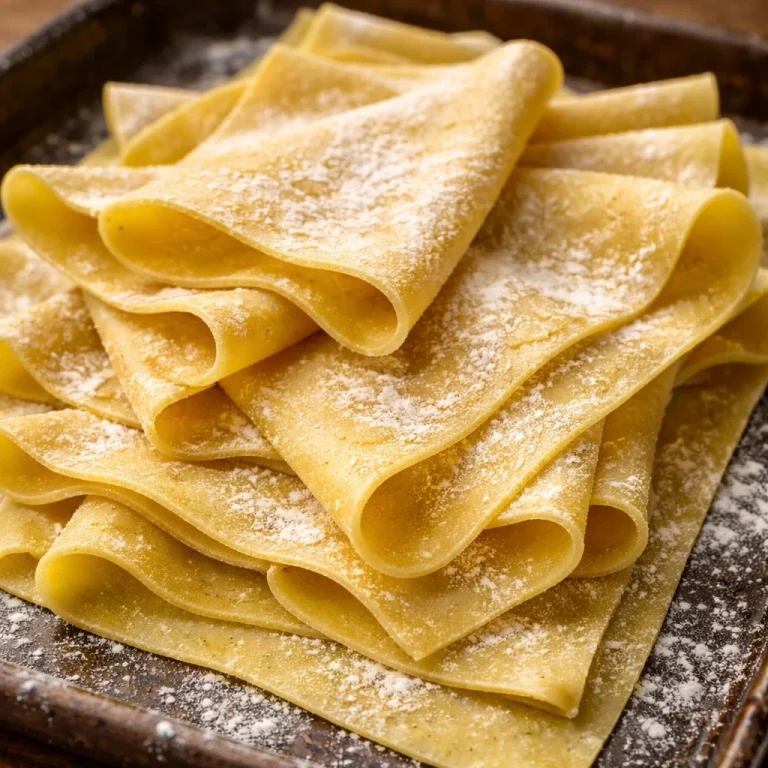
Emergency Biscuits


I learned these Emergency Biscuits the hard way — late-night hunger, bare pantry, and exactly the kind of recipe that feels like a kitchen superpower. They’re a tiny list of pantry staples turned into tender, golden drop biscuits in about 20 minutes. Fast, forgiving, and comfortingly simple, they’re the sort of recipe you reach for when you want fresh bread without the fuss.
Why you’ll love this dish
These Emergency Biscuits are a lifesaver: five common ingredients, minimal equipment, and a result that’s warm, flaky, and better than store-bought in minutes. They’re perfect for weeknight dinners, side-dish emergencies for unexpected guests, or breakfast alongside jam and coffee. Because they’re drop biscuits (no rolling or cutter required), they’re especially kid-friendly and ideal when you don’t want to fuss with dough.
“Crisp edges and a tender inside — made these in under 20 minutes when guests arrived. Instant win.”
Reasons to try it: budget-friendly, pantry-stable, adaptable (dairy swaps, cheese, herbs), and quick enough to throw together while soup or a stew simmers.
How this recipe comes together
Step-by-step overview:
- Mix the dry ingredients to make a light, aerated base.
- Cut cold butter into the flour—this creates small pockets of fat that steam and make flakiness.
- Stir in milk just until the dough holds together; avoid overmixing to keep biscuits tender.
- Drop spoonfuls onto a baking sheet and bake at high heat so they rise quickly and brown nicely.
Expect about 5 minutes to mix, 12–15 minutes to bake, and roughly 20 minutes from start to finish.
What you’ll need
Ingredients:
- 2 cups all-purpose flour (for a lighter biscuit, sift or whisk first)
- 1 tablespoon baking powder
- 1/2 teaspoon salt
- 1/4 cup cold butter (unsalted is fine; cut into small cubes)
- 1 cup milk (whole milk gives best richness; see substitutions below)
Ingredient notes and substitutions:
- Flour: You can swap half the flour for whole wheat for nuttiness — texture will be slightly denser.
- Milk: Use buttermilk for a tangy lift (reduce salt by a pinch). Non-dairy milks (soy, oat, almond) work in a pinch; texture may vary.
- Butter: Cold vegetable shortening or chilled coconut oil can substitute, but butter gives the best flavor.
Cooking method
Step-by-step instructions:
- Preheat the oven to 450°F (230°C). Position a rack in the center.
- Combine the 2 cups flour, 1 tablespoon baking powder, and 1/2 teaspoon salt in a mixing bowl. Whisk briefly to distribute the leavener.
- Add the 1/4 cup cold butter. Use a pastry cutter or your fingertips to cut the butter into the flour until the mixture looks like coarse crumbs with pea-sized bits of butter.
- Pour in 1 cup milk and stir gently with a spoon until the dough just comes together. Do not overmix — a few streaks of flour are okay.
- Use a spoon to drop generous mounds of dough (about 2 tablespoons each) onto an ungreased or lightly lined baking sheet, spacing them 1–2 inches apart.
- Bake for 12–15 minutes, or until the biscuits are puffed and the tops are golden brown. Remove and cool slightly before serving.

Best ways to enjoy it
Serving suggestions:
- Classic: Split and spread warm with butter, honey, or jam.
- Savory breakfast: Sandwich a biscuit with scrambled eggs and cheese or a sausage patty.
- With dinner: Serve alongside stews, chili, or roasted chicken — they soak up sauces beautifully.
- Upgrade: Brush warm biscuits with garlic-herb butter or sprinkle grated cheddar over the dough before baking for cheesy tops.
Plate them stacked in a basket lined with a cloth napkin to keep them warm and inviting.
How to store & freeze
Short-term storage:
- Keep biscuits in an airtight container at room temperature for up to 2 days. For safety and quality, store in the fridge if your kitchen is warm.
- Refrigerate any leftovers if they’ll sit longer than 2 hours.
Freezing:
- To freeze baked biscuits: cool completely, then pack in a freezer bag for up to 2 months. Reheat from frozen in a 350°F (175°C) oven for 10–12 minutes.
- To freeze raw dough: scoop drop biscuits onto a lined baking sheet and freeze until solid, then transfer to a bag. Bake from frozen, adding a few minutes to the bake time.
Reheating tips:
- For best texture, reheat in the oven (350°F / 175°C) rather than the microwave — the oven restores crisp edges while keeping the interior tender.
Food safety: cool biscuits within two hours of baking before refrigerating or freezing. Consume refrigerated biscuits within 3–4 days.
Helpful cooking tips
- Keep the butter cold: Cold butter yields steam pockets that create flakiness. Chill cubes briefly if they soften while cutting.
- Don’t overwork the dough: Stir just until combined. Overmixing develops gluten and makes biscuits tough.
- Use high heat: 450°F gives a fast rise and golden exterior. If your oven runs hot, watch closely after 10 minutes.
- Uniform drops: Use a two-tablespoon scoop or spoon to make even-sized biscuits so they bake evenly.
- Add a finish: Brush tops with melted butter right after baking for extra shine and flavor.
Creative twists
- Herb & cheese: Stir 1/2 cup grated cheddar and 1 tablespoon chopped chives into the dough.
- Spicy: Add 1/2 teaspoon smoked paprika and a pinch of cayenne for a warm kick.
- Sweet: Fold in 2 tablespoons sugar and top with a light honey glaze for a breakfast treat.
- Gluten-free: Use a 1:1 gluten-free baking flour blend with xanthan gum; texture will differ but still tasty.
- Vegan: Replace butter with chilled vegetable shortening and milk with unsweetened plant milk.
Your questions answered

Q: Can I use self-rising flour instead of all-purpose?
A: Yes. Omit the baking powder and salt if you use self-rising flour. Because brands vary, start with the same volume and adjust salt to taste.
Q: Can I make these without butter?
A: Yes. Chilled shortening or coconut oil can replace butter 1:1, though flavor will differ. For a dairy-free option, swap milk for a plant-based milk.
Q: How can I tell when the biscuits are done?
A: They should be puffed, golden on top, and sound slightly hollow when tapped. An internal temperature around 200°F indicates doneness, but visual cues usually suffice.
Q: Can I prepare the dough ahead of time?
A: You can mix and shape, then refrigerate on a tray for up to 24 hours before baking. Bring to the oven straight from the fridge; bake time may be a minute or two longer.
Q: Will they rise if I use cold milk?
A: Yes. Cold milk is fine, but room-temperature milk may give a slightly better rise. The key is the cold butter in the flour.
Conclusion
These Emergency Biscuits are an easy, reliable go-to when you want fresh, comforting bread with minimal fuss. For a different take on quick drop biscuits, check this Quick and Easy Drop Biscuits Recipe, and if you’re curious about a version that skips milk and butter, see this Emergency Biscuits (Super Easy, No Milk, No butter) – Kasheribbean for inspiration.

Emergency Biscuits
Ingredients
Method
- Preheat the oven to 450°F (230°C). Position a rack in the center.
- In a mixing bowl, combine the flour, baking powder, and salt. Whisk briefly to distribute the leavener.
- Add the cold butter and use a pastry cutter or your fingertips to cut it into the flour until the mixture resembles coarse crumbs.
- Pour in the milk and stir gently with a spoon until the dough just comes together. Avoid overmixing.
- Use a spoon to drop generous mounds of dough (about 2 tablespoons each) onto an ungreased or lightly lined baking sheet, spacing them 1–2 inches apart.
- Bake for 12–15 minutes, or until the biscuits are puffed and the tops are golden brown.
- Remove and cool slightly before serving.