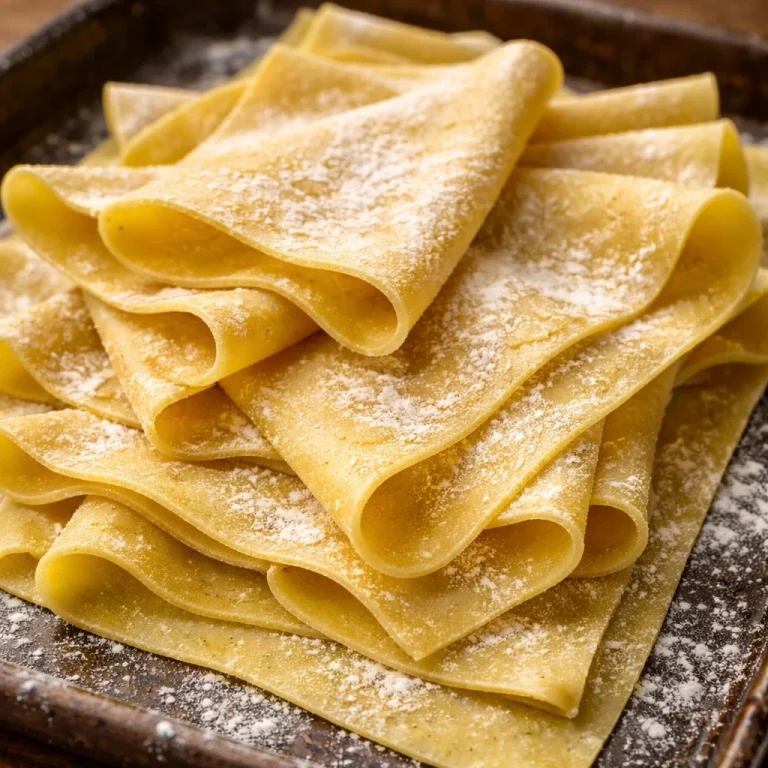
Homemade Lasagna Noodles

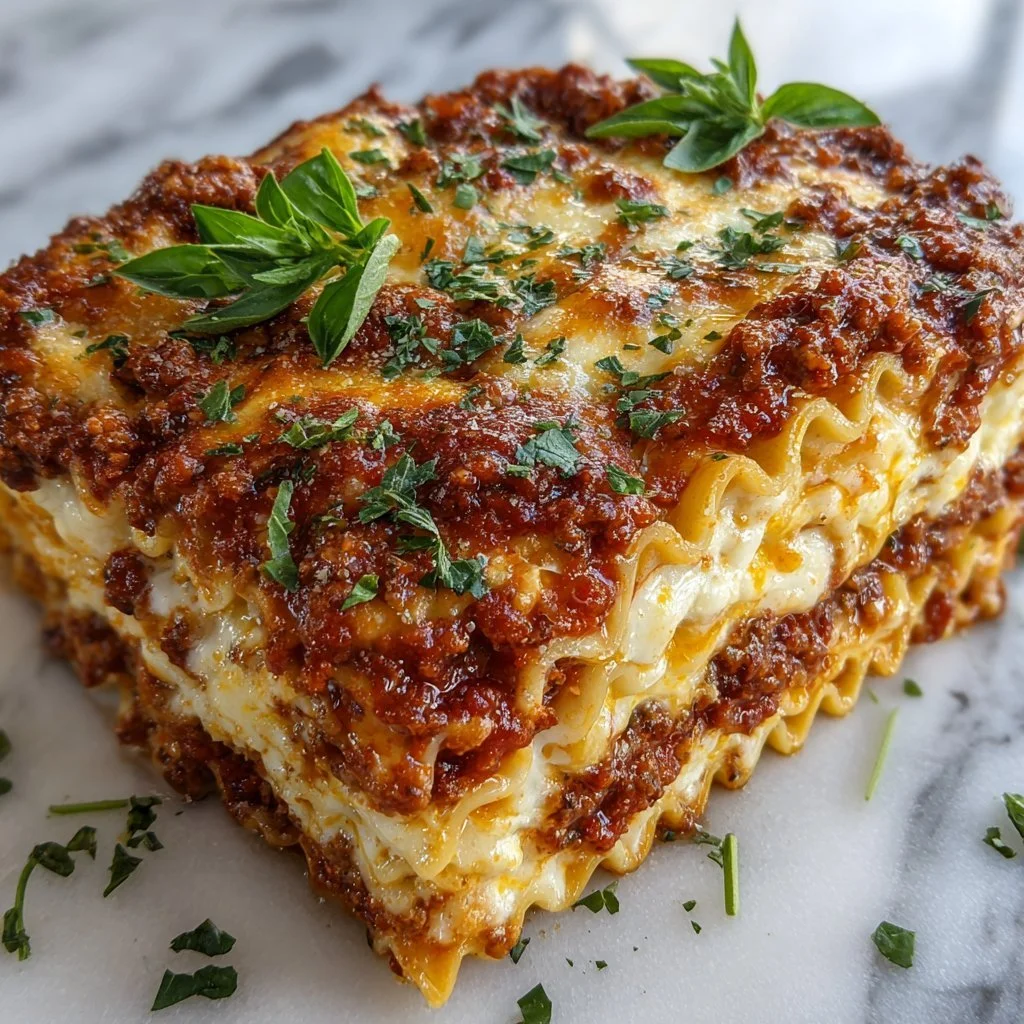
I make fresh pasta whenever I have time on a weekend — and homemade lasagna noodles are one of those small, showy skills that lift a simple dinner into something memorable. These thin, egg-forward sheets are tender, slightly chewy, and forgiving in assembly. They’re perfect when you want an authentic texture that dried noodles can’t match. If you’re building a full casserole, this is the foundation — and you can peek at our classic homemade lasagna recipe for ideas on assembly and layering.
Why you’ll love this dish
Making your own lasagna sheets is more satisfying than you think. They cook faster than dried pasta, take sauces and fillings beautifully, and let you control texture and flavor by choosing flours and thickness. It’s also a great weekend project that scales easily for a family dinner or for freezing in portions.
“These sheets turned my lasagna from good to unforgettable — silky, fresh, and worth the extra hands-on time.” — a regular at my kitchen table
How this recipe comes together
The process is straightforward: combine flour and eggs into a dough, knead until smooth, rest so gluten relaxes, then roll the dough thin and cut into sheets. You can do this entirely by hand or with a pasta machine. Expect about 45–60 minutes from start to finish, including resting and brief drying. Resting is key — it makes the dough pliable and easier to roll.
What you’ll need
- 2 cups all-purpose flour (or 1½ cups 00 flour + ½ cup semolina)
- 3 large eggs, room temperature
- 1/2 teaspoon fine salt
- Water, a teaspoon at a time, only if the dough is too dry
Notes: Use 00 flour for a silkier texture; semolina adds tooth and prevents sticking. If eggs are small, add an extra teaspoon of water. For egg-free options, see the Variations section below.

Step-by-step instructions
- Pile the flour on a clean surface and shape it into a mound. Make a deep well in the center.
- Crack the eggs into the well and sprinkle the salt over them.
- Use a fork to whisk the eggs gently, then draw in flour from the inner edge of the well a little at a time until a shaggy dough forms. Work slowly so the eggs don’t escape.
- Use your hands to bring the dough together. Knead for 8–10 minutes until smooth and slightly tacky. The dough should spring back when pressed.
- Wrap the dough tightly in plastic wrap and let it rest at room temperature for 30 minutes — this relaxes the gluten and makes rolling easier.
- Divide the dough into 2–4 pieces. Flatten one piece with your palm and feed it through a pasta machine on the thickest setting. Fold and pass it 2–3 times to even the sheet.
- Reduce the machine setting gradually until you reach your desired thickness. For lasagna, a medium-thin sheet is ideal — thin enough to be tender after baking but not so thin it tears. Trim the sheet to the size you need.
- Dust sheets lightly with semolina or flour to prevent sticking. Arrange them in a single layer while you finish rolling the remaining pieces.
- To store: lay sheets on a floured baking sheet to air dry several hours before stacking for freezing, or freeze single layers separated by parchment. If using the same day, let sheets dry briefly (10–20 minutes) to make handling easier.
If you plan to use these sheets in a rich, meaty lasagna, see the filling tips in our beef & veggie lasagna with cottage cheese for practical assembly guidance.
Serving suggestions
- Layer these sheets with béchamel, a chunky tomato ragù, and plenty of mozzarella for a classic lasagna.
- For a lighter option, pair with roasted vegetables and ricotta, seasoning with lemon zest and fresh basil.
- Cut sheets into wide ribbons and treat them like fresh pappardelle with a simple butter-sage sauce.
- Serve with a crisp green salad and a glass of medium-bodied red wine or a bright, citrusy white.
If you like seasonal twists, a baked lasagna with squash works beautifully — try pairing the noodles with the filling ideas from our pumpkin homemade lasagna for autumn inspiration.
How to store & freeze
- Short-term: Stack lightly floured sheets on a baking sheet, cover with a clean towel, and use within the same day.
- Freezing: Freeze single layers on a baking sheet until solid, then stack with parchment between sheets and seal in a freezer bag for up to 3 months.
- Thawing: Move frozen sheets to the fridge overnight before using, or separate frozen sheets and add them directly (no need to fully thaw) when assembling a lasagna — they’ll defrost during baking.
- Food safety: If you’ve made a large batch and cooked a lasagna, refrigerate leftovers within two hours and eat within 3–4 days. Reheat to at least 165°F (74°C) before serving.
Pro chef tips
- Bring eggs to room temperature; they mix more easily and give a more cohesive dough.
- Knead until the dough is smooth and elastic — under-kneaded dough tears when pulled thin.
- If you don’t have a machine, roll with a heavy rolling pin in even, overlapping strokes and keep the dough well-floured.
- Save trimmings: brush them with olive oil and freeze for quick pasta crisps, or pan-fry as a snack. For sweet uses of leftover dough, try this simple 4-ingredient donut recipe as inspiration.
- Semolina is your friend when drying: it prevents sticking and adds a rustic texture.
Creative twists
- Spinach ribbons: blitz blanched spinach and add to the dough for green sheets.
- Whole-grain: replace up to half the all-purpose flour with whole-wheat flour for nuttiness.
- Gluten-free: use a blend of tapioca, rice, and a xanthan binder — expect a different handling and slightly softer sheet.
- Vegan: use a vegan egg replacer like aquafaba or a commercial egg replacer, plus a tablespoon of olive oil to add richness.
- Layer swaps: try ricotta with lemon zest and herbs, or mix mascarpone into béchamel for an ultra-luxurious texture.
Helpful answers
Q: How long does this take from start to oven?
A: About 45–60 minutes total for the pasta (including resting and brief drying). Building and baking a lasagna adds another 60–90 minutes depending on the recipe.
Q: Can I boil these before assembling?
A: You can, but it’s unnecessary. Fresh sheets cook quickly in the oven when layered with sauce. If you prefer, boil 30–60 seconds until they float, then cool on a floured tray.
Q: How thin should I roll lasagna sheets?
A: Aim for medium-thin: thin enough to be tender after baking (roughly 1–1.5 mm), but not translucent like ravioli wrappers. Use the pasta machine settings as a guide.
Q: Can I substitute all 00 flour or all semolina?
A: Yes — 00 gives a silkier, more elastic sheet. Semolina adds bite and makes handling easier; I recommend some semolina (or a semolina/all-purpose mix) if you’re new to rolling.
Q: Are there safety concerns with raw egg in fresh pasta?
A: Fresh pasta dough contains raw eggs but is cooked during baking or boiling. If you’re serving undercooked or using sheets raw in no-bake dishes, use pasteurized eggs for safety.
Conclusion
Making lasagna sheets from scratch rewards you with better texture and a fresher flavor than dried pasta. For a detailed alternate method and extra photos, consult The Pasta Project’s guide to homemade lasagne pasta sheets. If you prefer a beginner-friendly walkthrough with troubleshooting tips, read the Beginner’s Guide to Fresh Homemade Lasagna Noodles.
Lasagna Noodles
Ingredients
Method
- Pile the flour on a clean surface and shape it into a mound. Make a deep well in the center.
- Crack the eggs into the well and sprinkle the salt over them.
- Use a fork to whisk the eggs gently, then draw in flour from the inner edge of the well a little at a time until a shaggy dough forms.
- Use your hands to bring the dough together. Knead for 8–10 minutes until smooth and slightly tacky.
- Wrap the dough tightly in plastic wrap and let it rest at room temperature for 30 minutes.
- Divide the dough into 2–4 pieces. Flatten one piece with your palm and feed it through a pasta machine on the thickest setting.
- Fold and pass it 2–3 times to even the sheet.
- Reduce the machine setting gradually until you reach your desired thickness. Trim the sheet to the size you need.
- Dust sheets lightly with semolina or flour to prevent sticking.
- Arrange them in a single layer while you finish rolling the remaining pieces.
- Lay sheets on a floured baking sheet to air dry several hours before stacking for freezing.
- If using the same day, let sheets dry briefly (10–20 minutes) to make handling easier.